








Idioma:
ingles


|
|
|
|
Mejor con 4 jugadores
12 votos de 24
Edad recomendada por los jugadores: 12+
2 votos de 5
3-5
90'
12
Nenhum texto necessário no jogo
|
Graenaland
Editor: Czech Board Games
 ¿Quieres vender tu copia de este juego?

¡Utilice nuestro mercado utrade!
Graenaland
Contáctenos
Compartir en
El artículo no está disponible, puede utilizar la alerta para recibir una notificación cuando volverá a estar disponible.
FOTOS EN BGG
Estas fotos son propiedad de boardgamegeek.com y no se refieren específicamente a la edición de esta página.


 Fundas de cartas en este juego.
168 tarjetas de 50.0mm de ancho y 75.0mm de alto
4x
(50 PC)

2x
(100 PC)

2x
(100 PC)

2x
(100 PC)

2x
(100 PC)

2x
(100 PC)
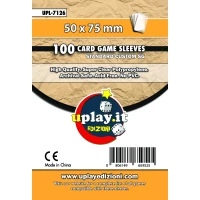
2x
(110 PC)
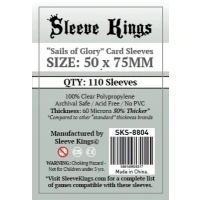
2x
(110 PC)
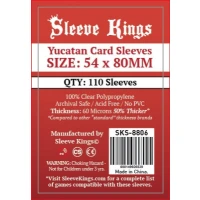
3x
(75 PC)
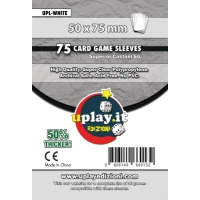
4x
(50 PC)
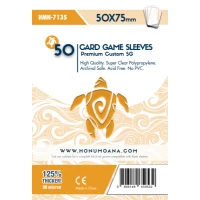
2x
(110 PC)
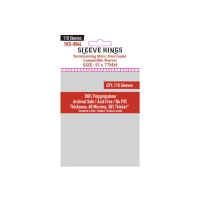
4x
(50 PC)
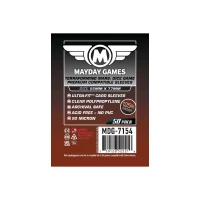
 Descripción
Estamos en los años de la colonización de Groenlandia, la tierra verde, unos años después de su "descubrimiento" por el vikingo Erik el Rojo, en 982. Los jugadores representan a los jefes de los diferentes clanes comprometidos en la ocupación de esta nueva tierra y sus recursos. La competencia es fuerte porque los recursos son limitados.
Groenlandia está representada por un cierto número de regiones costeras (igual al número de jugadores) y de regiones interiores (igual al número de regiones costeras menos una). En cada región, caracterizada por el tipo de recursos que se pueden producir, se pueden construir aldeas, infraestructuras (como caminos y mercados) y edificios especiales. El número de aldeas que pueden existir en una cierta región es ilimitado, mientras que solo se pueden construir 3 edificios especiales (una Casa de Campo, una Iglesia y una Sala de Recepciones) y una única infraestructura por tipo. Algunas regiones montañosas son particularmente difíciles de colonizar y en ellas no se pueden construir edificios especiales.
Los jugadores moverán en el mapa a sus comandantes (Guerrero, Sacerdote y Bardo) en una competencia por el control de los recursos que se establecerá en función de la presencia de líderes, tropas y aldeas/edificios y tras una votación. No hay combates, porque, en teoría, los diferentes clanes son amistosos entre sí y los ejércitos tienen solo una función intimidatoria.
Groenlandia está representada por un cierto número de regiones costeras (igual al número de jugadores) y de regiones interiores (igual al número de regiones costeras menos una). En cada región, caracterizada por el tipo de recursos que se pueden producir, se pueden construir aldeas, infraestructuras (como caminos y mercados) y edificios especiales. El número de aldeas que pueden existir en una cierta región es ilimitado, mientras que solo se pueden construir 3 edificios especiales (una Casa de Campo, una Iglesia y una Sala de Recepciones) y una única infraestructura por tipo. Algunas regiones montañosas son particularmente difíciles de colonizar y en ellas no se pueden construir edificios especiales.
Los jugadores moverán en el mapa a sus comandantes (Guerrero, Sacerdote y Bardo) en una competencia por el control de los recursos que se establecerá en función de la presencia de líderes, tropas y aldeas/edificios y tras una votación. No hay combates, porque, en teoría, los diferentes clanes son amistosos entre sí y los ejércitos tienen solo una función intimidatoria.
 Información adicional
| mecanica: | Tablero Modular Votar |
| Categorías: | Civilización |
| Nombres alternativos: | Graenaland Grænaland Graenaland Grænaland |
| BARCODE: | ????????? |
| En 5 listas de deseos En colecciones 4 Esto fue visto 7598 veces | |
Descripción
Estamos en los años de la colonización de Groenlandia, la tierra verde, unos años después de su "descubrimiento" por el vikingo Erik el Rojo, en 982. Los jugadores representan a los jefes de los diferentes clanes comprometidos en la ocupación de esta nueva tierra y sus recursos. La competencia es fuerte porque los recursos son limitados.
Groenlandia está representada por un cierto número de regiones costeras (igual al número de jugadores) y de regiones interiores (igual al número de regiones costeras menos una). En cada región, caracterizada por el tipo de recursos que se pueden producir, se pueden construir aldeas, infraestructuras (como caminos y mercados) y edificios especiales. El número de aldeas que pueden existir en una cierta región es ilimitado, mientras que solo se pueden construir 3 edificios especiales (una Casa de Campo, una Iglesia y una Sala de Recepciones) y una única infraestructura por tipo. Algunas regiones montañosas son particularmente difíciles de colonizar y en ellas no se pueden construir edificios especiales.
Los jugadores moverán en el mapa a sus comandantes (Guerrero, Sacerdote y Bardo) en una competencia por el control de los recursos que se establecerá en función de la presencia de líderes, tropas y aldeas/edificios y tras una votación. No hay combates, porque, en teoría, los diferentes clanes son amistosos entre sí y los ejércitos tienen solo una función intimidatoria.
Groenlandia está representada por un cierto número de regiones costeras (igual al número de jugadores) y de regiones interiores (igual al número de regiones costeras menos una). En cada región, caracterizada por el tipo de recursos que se pueden producir, se pueden construir aldeas, infraestructuras (como caminos y mercados) y edificios especiales. El número de aldeas que pueden existir en una cierta región es ilimitado, mientras que solo se pueden construir 3 edificios especiales (una Casa de Campo, una Iglesia y una Sala de Recepciones) y una única infraestructura por tipo. Algunas regiones montañosas son particularmente difíciles de colonizar y en ellas no se pueden construir edificios especiales.
Los jugadores moverán en el mapa a sus comandantes (Guerrero, Sacerdote y Bardo) en una competencia por el control de los recursos que se establecerá en función de la presencia de líderes, tropas y aldeas/edificios y tras una votación. No hay combates, porque, en teoría, los diferentes clanes son amistosos entre sí y los ejércitos tienen solo una función intimidatoria.
Fundas de cartas en este juego.
168 tarjetas de 50.0mm de ancho y 75.0mm de alto
4x
(50 PC)
2x
(100 PC)
2x
(100 PC)
2x
(100 PC)
2x
(100 PC)
2x
(100 PC)
2x
(110 PC)
2x
(110 PC)
3x
(75 PC)
4x
(50 PC)
2x
(110 PC)
4x
(50 PC)
Información adicional
| mecanica: | Tablero Modular Votar |
| Categorías: | Civilización |
| Nombres alternativos: | Graenaland Grænaland Graenaland Grænaland |
| BARCODE: | ????????? |
| En 5 listas de deseos En colecciones 4 Esto fue visto 7598 veces | |
Lo que dicen los jugadores
Con cuántos jugadores funciona mejor · 24 votos en BoardGameGeek
- 1 0 0 lo consideran el mejor, 0 lo recomiendan, 12 lo desaconsejan
- 2 0 0 lo consideran el mejor, 0 lo recomiendan, 12 lo desaconsejan
- 3 1 1 lo consideran el mejor, 5 lo recomiendan, 10 lo desaconsejan
- 4 12 12 lo consideran el mejor, 6 lo recomiendan, 0 lo desaconsejan
- 5 6 6 lo consideran el mejor, 7 lo recomiendan, 6 lo desaconsejan
- 5+ 0 0 lo consideran el mejor, 0 lo recomiendan, 6 lo desaconsejan
El mejor Sugerido No recomendado
Valoraciones de usuarios uplay: Aún no hay reseñas uplay. ¡Sé el primero!
Tu reseña
Los comentarios se moderan antes de publicarse: sin enlaces, insultos ni contenido ajeno al producto. Se aceptan opiniones negativas respetuosas.
Inicia sesión para reseñar
¡PRECAUCIÓN! No apto para niños menores de 3 años. Contiene piezas pequeñas que podrían tragarse o inhalarse.