



Idioma:
ingles
|
|
|
|
1-2
Nenhum texto necessário no jogo
|
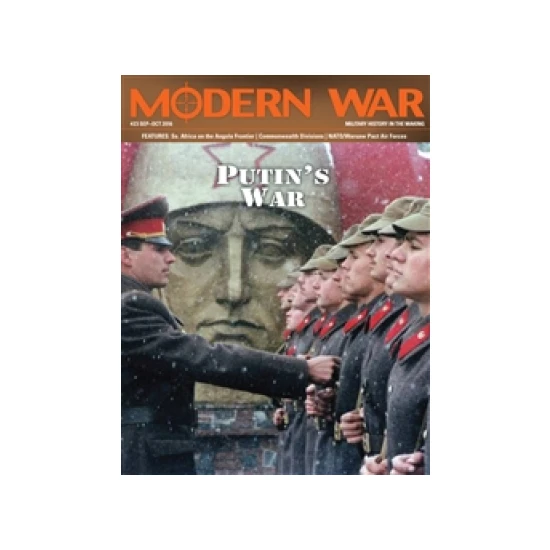
Putin's War
Editor: Decision Games (I)
 ¿Quieres vender tu copia de este juego?

¡Utilice nuestro mercado utrade!
Putin's War
Contáctenos
Compartir en
El artículo no está disponible, puede utilizar la alerta para recibir una notificación cuando volverá a estar disponible.
FOTOS EN BGG
Estas fotos son propiedad de boardgamegeek.com y no se refieren específicamente a la edición de esta página.
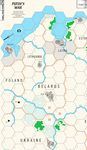
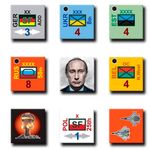
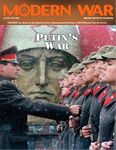
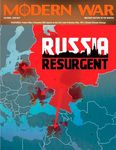
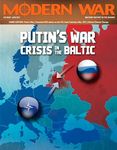
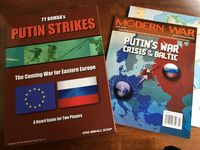
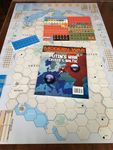
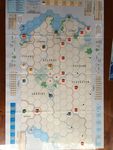
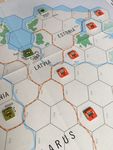
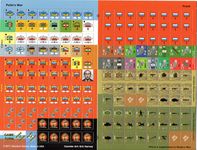
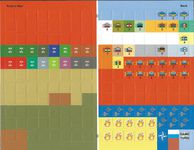
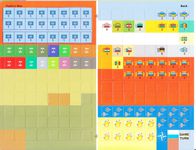
 Descripción
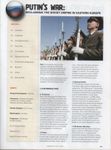
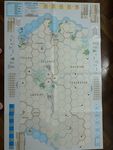
The main idea is, NATO devolves toward operational ineffectiveness and, on that basis, old Vladimir decides to try for the big solution to get back all the former Soviet Union's western borderlands.
In designing the game (already done despite the long wait for its publication), I came up with a new system that emphasizes the following perspective: today's First World militaries are part way through a systemic transformation broadly comparable to the one they went through during the 1930s.
The issue in the 30s was how to integrate mechanization into what otherwise still remained foot-slogging, horse-drawn armies. The debate centered around how much horse cavalry to keep mixed in with the tanks, trucks and other combat vehicles. The idea was the large mass of unmotorized units would form a "base of maneuver" from which the relatively more scarce -- but elite -- moto-mech units would operate.
Of course, by the war's midpoint all that had been settled. The question had come to center on determining the optimal mix of tracked and wheeled vehicles, etc.
Today, we're witnessing a similar transformation in that the former moto-mech elite has, in effect, taken on the role of the previous era's foot-sloggers and horse cavalry: they're now the new "base of maneuver" element, holding the line while, evolving atop and past them, is the new elite: the special forces, which are themselves increasingly robot-equipped.
Given that the cost and social advantages involved in deploying small elites rather than the mass mechanized armies of the previous era (the draft isn't going to come back), I see us now at about the 1938-equivalent in terms of the new transition.
Aside from that, another characteristic is more and more of the First World's armies combat experience is increasingly contained within the personnel of the SoF. That, of course, further enhances their relative combat power.
To smoothly model all that, I've come up a system I've titled the "Big And Dumb Armies Super System" (BADASS). I'll be using it again.
This design will be appearing in Modern War issue number 29 (May-June 2017).
 Información adicional
| mecanica: | |
| Categorías: | guerra |
| Nombres alternativos: | Putin's War: Crisis in the Baltic Putin's War: Reclaiming the Soviet Empire in Eastern Europe |
| BARCODE: | 7148602334005 |
| Esto fue visto 1393 veces | |
Descripción
The main idea is, NATO devolves toward operational ineffectiveness and, on that basis, old Vladimir decides to try for the big solution to get back all the former Soviet Union's western borderlands.
In designing the game (already done despite the long wait for its publication), I came up with a new system that emphasizes the following perspective: today's First World militaries are part way through a systemic transformation broadly comparable to the one they went through during the 1930s.
The issue in the 30s was how to integrate mechanization into what otherwise still remained foot-slogging, horse-drawn armies. The debate centered around how much horse cavalry to keep mixed in with the tanks, trucks and other combat vehicles. The idea was the large mass of unmotorized units would form a "base of maneuver" from which the relatively more scarce -- but elite -- moto-mech units would operate.
Of course, by the war's midpoint all that had been settled. The question had come to center on determining the optimal mix of tracked and wheeled vehicles, etc.
Today, we're witnessing a similar transformation in that the former moto-mech elite has, in effect, taken on the role of the previous era's foot-sloggers and horse cavalry: they're now the new "base of maneuver" element, holding the line while, evolving atop and past them, is the new elite: the special forces, which are themselves increasingly robot-equipped.
Given that the cost and social advantages involved in deploying small elites rather than the mass mechanized armies of the previous era (the draft isn't going to come back), I see us now at about the 1938-equivalent in terms of the new transition.
Aside from that, another characteristic is more and more of the First World's armies combat experience is increasingly contained within the personnel of the SoF. That, of course, further enhances their relative combat power.
To smoothly model all that, I've come up a system I've titled the "Big And Dumb Armies Super System" (BADASS). I'll be using it again.
This design will be appearing in Modern War issue number 29 (May-June 2017).
Información adicional
| mecanica: | |
| Categorías: | guerra |
| Nombres alternativos: | Putin's War: Crisis in the Baltic Putin's War: Reclaiming the Soviet Empire in Eastern Europe |
| BARCODE: | 7148602334005 |
| Esto fue visto 1393 veces | |
Lo que dicen los jugadores
Con cuántos jugadores funciona mejor · 0 votos en BoardGameGeek
- 1 0 0 lo consideran el mejor, 0 lo recomiendan, 0 lo desaconsejan
- 2 0 0 lo consideran el mejor, 0 lo recomiendan, 0 lo desaconsejan
- 2+ 0 0 lo consideran el mejor, 0 lo recomiendan, 0 lo desaconsejan
El mejor Sugerido No recomendado
Valoraciones de usuarios uplay: Aún no hay reseñas uplay. ¡Sé el primero!
Tu reseña
Los comentarios se moderan antes de publicarse: sin enlaces, insultos ni contenido ajeno al producto. Se aceptan opiniones negativas respetuosas.
Inicia sesión para reseñar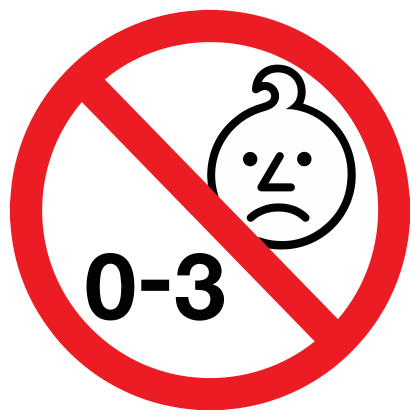
¡PRECAUCIÓN! No apto para niños menores de 3 años. Contiene piezas pequeñas que podrían tragarse o inhalarse.