













 (+39) 320 073 4588
 KONTAKTIEREN SIE UNS PER E-MAIL












|
|
|


2-4
15'
Kein notwendiger Text im Spiel
|
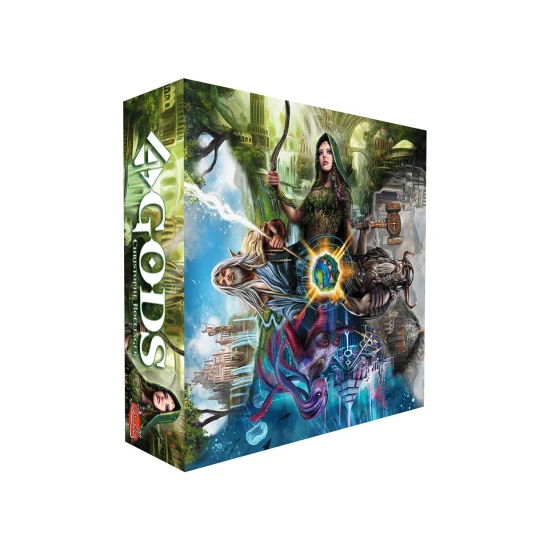
4 Gods
Herausgeber: Ludically
 Möchten Sie Ihr Exemplar dieses Spiels verkaufen?

Nutzen Sie unseren Marktplatz utrade!
4 Gods
Kontaktieren Sie uns
Teilen auf
Der Artikel ist nicht verfügbar. Sie können die Benachrichtigung nutzen, um benachrichtigt zu werden, wenn er wieder auf Lager ist.
BILDER AUF BGG
Diese Fotos sind Eigentum von boardgamegeek.com und beziehen sich nicht speziell auf die Ausgabe auf dieser Seite.











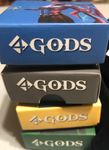
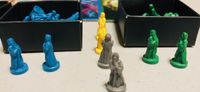
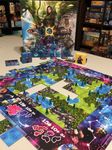
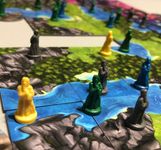
 Beschreibung
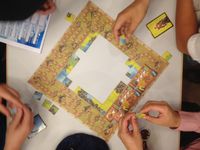
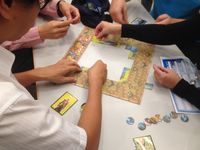
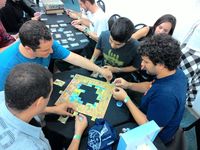
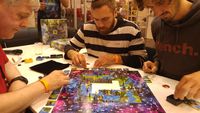
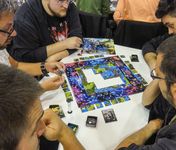
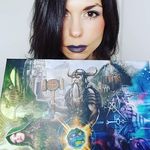
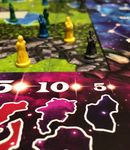
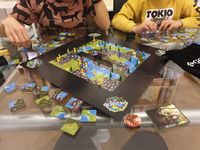
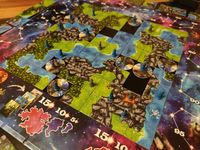
Four Gods ist ein Echtzeit-Plättchenlegespiel, in dem die Spieler eine Welt erschaffen - Plättchen für Plättchen - bevor sie einen der vier Götter ihrer Welt beanspruchen und versuchen, Anhänger zu gewinnen, indem sie Propheten in diese Welt senden. Im Detail sitzen die Spieler außerhalb eines Papprahmens, der die Grenzen der Welt darstellt. Jeder Spieler beginnt mit zwei zufällig gezogenen Plättchen in der Hand, wobei jedes doppelseitige Plättchen 1-3 Landschaftstypen aus den vier im Spiel vorhandenen Typen darstellt. Wenn das Spiel beginnt, beginnen die Spieler gleichzeitig, Plättchen in den Rahmen zu legen; jedes Plättchen muss an zwei Seiten angrenzen, um platziert zu werden, sodass Plättchen zunächst nur in den Ecken des Rahmens platziert werden können, während die Spieler von dort aus nach innen bauen. Die Spieler können Plättchen überall dort platzieren, wo sie legal platziert werden können (zwei Seiten grenzen an den Rahmen oder an bereits platzierte Plättchen und alle Landschaften passen an den Kanten der Plättchen zusammen. Anstatt ein Plättchen zu platzieren, kann ein Spieler es in seinen persönlichen Ablagebereich legen, der maximal zehn Plättchen aufnehmen kann. Wenn ein Spieler beide Hände frei hat, kann er zwei neue Plättchen aus dem Beutel ziehen; alternativ kann jeder Spieler mit einer freien Hand ein beliebiges Plättchen aus einem Ablagebereich aufnehmen und es in die Welt legen. Zu jedem Zeitpunkt während des Spiels kann ein Spieler einen der vier Götter und die Anhänger dieses Gottes beanspruchen. Jeder Gott ist mit einem bestimmten Landschaftstyp verbunden, z.B. dem Gott der Meermänner. Sobald ein Spieler Anhänger hat, kann er einen Propheten auf ein Plättchen setzen, das er gerade platziert hat, um diesen Landschaftsbereich zu beanspruchen. Die Spieler können beliebig viele Propheten in einer Landschaft platzieren, solange sie jeden Propheten auf ein Plättchen setzen, das sie gerade der Welt hinzugefügt haben. Zu jedem Zeitpunkt im Spiel, wenn ein Spieler denkt, dass ein Bereich des Boards nicht mit einem Plättchen gefüllt werden kann - z.B. ein Raum, der von vier Landschaftstypen umgeben ist - kann dieser Spieler einen runden Stadtmarker in diesem Raum platzieren. Jeder kann dann diese Stadt mit einem Propheten beanspruchen. Wenn später ein passendes Plättchen gefunden wird, kann ein Spieler „zerstören“ und diese Stadt beanspruchen, indem er sie durch das Plättchen ersetzt. Sobald die Welt gefüllt ist oder die Spieler zustimmen, dass keine weiteren Plättchen platziert werden können, endet das Spiel. Jeder Spieler erhält fünf Punkte für jede besetzte oder zerstörte Stadt. Jede Landschaft mit einem oder mehreren Propheten ist für den/die Spieler mit den meisten Propheten darin einen bestimmten Punktwert wert, der der Anzahl der Plättchen in dieser Landschaft minus der Anzahl der Propheten darin entspricht. Die Landschaft mit der größten Masse belohnt ihren Gott mit einem großen Bonus, während die zweite und dritte größte Masse ihren Göttern kleinere Boni gewährt; ebenso belohnt die Landschaft, die in den meisten unterschiedlichen Gruppen erscheint, ihren Gott mit einem großen Bonus, während die zweite und dritte größte Gruppe ihren Göttern erneut kleinere Boni gewährt. Welcher Gott die meisten Punkte erzielt hat, gewinnt!
 Zusätzliche Informationen
| Mechanik: | Bereichskontrolle/Bereichseinfluss Fliesenplatzierung |
| Kategorien: | Echtzeit |
| Alternative Namen: | |
| BARCODE: | 3760184940215 |
| In 5 Wunschlisten In der Sammlung 1 Dies wurde 10239 Mal gesehen | |
Beschreibung
Four Gods ist ein Echtzeit-Plättchenlegespiel, in dem die Spieler eine Welt erschaffen - Plättchen für Plättchen - bevor sie einen der vier Götter ihrer Welt beanspruchen und versuchen, Anhänger zu gewinnen, indem sie Propheten in diese Welt senden. Im Detail sitzen die Spieler außerhalb eines Papprahmens, der die Grenzen der Welt darstellt. Jeder Spieler beginnt mit zwei zufällig gezogenen Plättchen in der Hand, wobei jedes doppelseitige Plättchen 1-3 Landschaftstypen aus den vier im Spiel vorhandenen Typen darstellt. Wenn das Spiel beginnt, beginnen die Spieler gleichzeitig, Plättchen in den Rahmen zu legen; jedes Plättchen muss an zwei Seiten angrenzen, um platziert zu werden, sodass Plättchen zunächst nur in den Ecken des Rahmens platziert werden können, während die Spieler von dort aus nach innen bauen. Die Spieler können Plättchen überall dort platzieren, wo sie legal platziert werden können (zwei Seiten grenzen an den Rahmen oder an bereits platzierte Plättchen und alle Landschaften passen an den Kanten der Plättchen zusammen. Anstatt ein Plättchen zu platzieren, kann ein Spieler es in seinen persönlichen Ablagebereich legen, der maximal zehn Plättchen aufnehmen kann. Wenn ein Spieler beide Hände frei hat, kann er zwei neue Plättchen aus dem Beutel ziehen; alternativ kann jeder Spieler mit einer freien Hand ein beliebiges Plättchen aus einem Ablagebereich aufnehmen und es in die Welt legen. Zu jedem Zeitpunkt während des Spiels kann ein Spieler einen der vier Götter und die Anhänger dieses Gottes beanspruchen. Jeder Gott ist mit einem bestimmten Landschaftstyp verbunden, z.B. dem Gott der Meermänner. Sobald ein Spieler Anhänger hat, kann er einen Propheten auf ein Plättchen setzen, das er gerade platziert hat, um diesen Landschaftsbereich zu beanspruchen. Die Spieler können beliebig viele Propheten in einer Landschaft platzieren, solange sie jeden Propheten auf ein Plättchen setzen, das sie gerade der Welt hinzugefügt haben. Zu jedem Zeitpunkt im Spiel, wenn ein Spieler denkt, dass ein Bereich des Boards nicht mit einem Plättchen gefüllt werden kann - z.B. ein Raum, der von vier Landschaftstypen umgeben ist - kann dieser Spieler einen runden Stadtmarker in diesem Raum platzieren. Jeder kann dann diese Stadt mit einem Propheten beanspruchen. Wenn später ein passendes Plättchen gefunden wird, kann ein Spieler „zerstören“ und diese Stadt beanspruchen, indem er sie durch das Plättchen ersetzt. Sobald die Welt gefüllt ist oder die Spieler zustimmen, dass keine weiteren Plättchen platziert werden können, endet das Spiel. Jeder Spieler erhält fünf Punkte für jede besetzte oder zerstörte Stadt. Jede Landschaft mit einem oder mehreren Propheten ist für den/die Spieler mit den meisten Propheten darin einen bestimmten Punktwert wert, der der Anzahl der Plättchen in dieser Landschaft minus der Anzahl der Propheten darin entspricht. Die Landschaft mit der größten Masse belohnt ihren Gott mit einem großen Bonus, während die zweite und dritte größte Masse ihren Göttern kleinere Boni gewährt; ebenso belohnt die Landschaft, die in den meisten unterschiedlichen Gruppen erscheint, ihren Gott mit einem großen Bonus, während die zweite und dritte größte Gruppe ihren Göttern erneut kleinere Boni gewährt. Welcher Gott die meisten Punkte erzielt hat, gewinnt!
Zusätzliche Informationen
| Mechanik: | Bereichskontrolle/Bereichseinfluss Fliesenplatzierung |
| Kategorien: | Echtzeit |
| Alternative Namen: | |
| BARCODE: | 3760184940215 |
| In 5 Wunschlisten In der Sammlung 1 Dies wurde 10239 Mal gesehen | |
 Oft zusammen gekauft
VORSICHT! Nicht für Kinder unter 3 Jahren geeignet. Es enthält Kleinteile, die verschluckt oder eingeatmet werden können.