









Sprache:
Englisch


|
|
|
|
Am besten mit 2 Spielern
1 von 2 Stimmen
Von Spielern empfohlenes Alter: 12+
1 von 1 Stimmen
1-4
120'
12
Kein notwendiger Text im Spiel
|
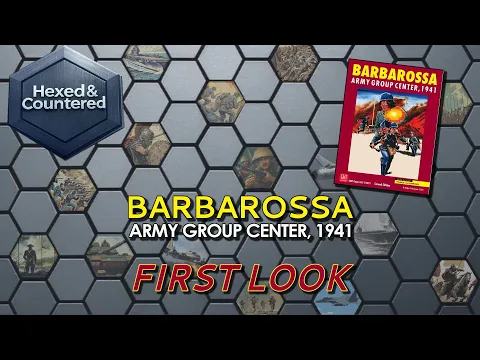
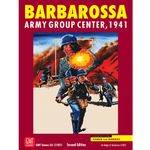
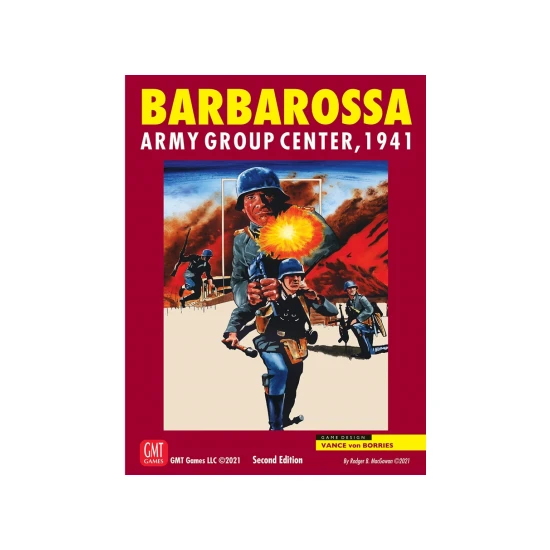
Barbarossa: Army Group Center, 1941
Herausgeber: GMT Games
 Möchten Sie Ihr Exemplar dieses Spiels verkaufen?

Nutzen Sie unseren Marktplatz utrade!
Barbarossa: Army Group Center, 1941
Kontaktieren Sie uns
Teilen auf
Der Artikel ist nicht verfügbar. Sie können die Benachrichtigung nutzen, um benachrichtigt zu werden, wenn er wieder auf Lager ist.
BILDER AUF BGG
Diese Fotos sind Eigentum von boardgamegeek.com und beziehen sich nicht speziell auf die Ausgabe auf dieser Seite.
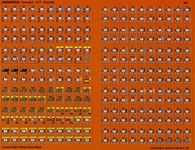
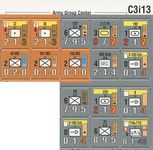
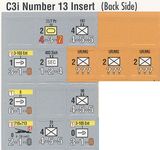

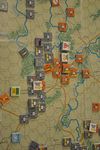
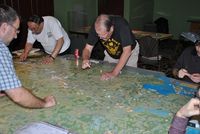
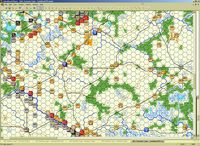
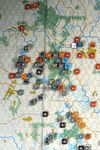
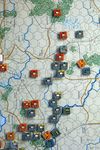
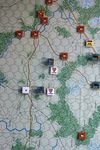
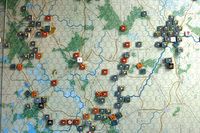
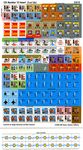
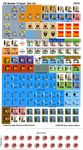
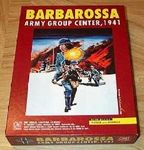
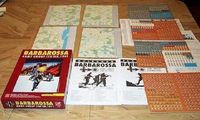
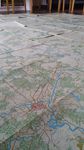
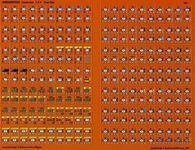
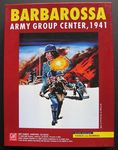
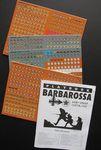
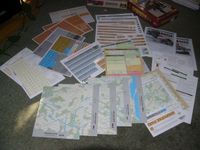
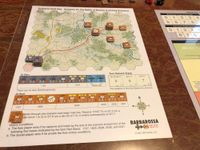
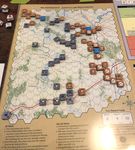
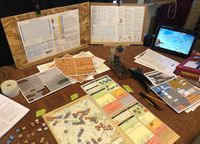
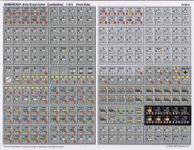
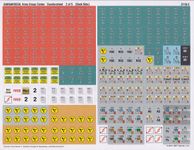
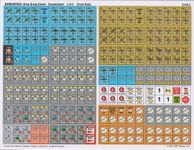
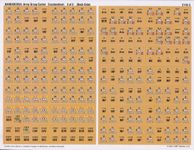
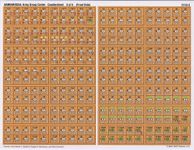
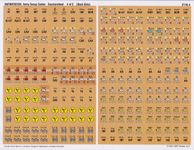
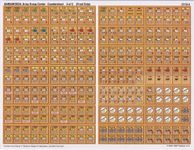
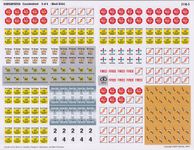
 Beschreibung
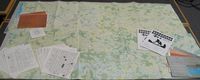
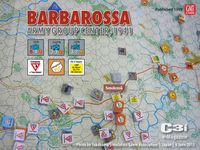
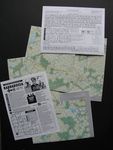
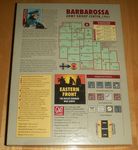
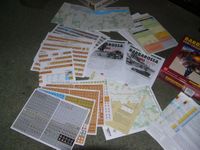
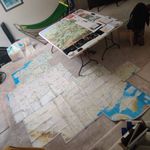
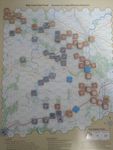
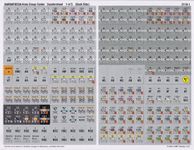
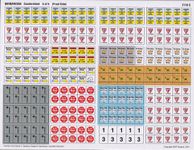
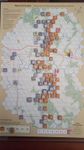
This is one of a very popular series of games from GMT covering the first months of the invasion of the USSR; units are battalions through divisions, hexes are about 5 miles, and turns are two days. The system encompasses (as of 6/2001) Barbarossa: Army Group North (2000), Barbarossa: Army Group Center (1998), and Barbarossa: Army Group South (1996). Typhoon! (1995) is the progenitor of these games, and its system is quite similar, but it is unfortunately subtly incompatible with the later games.
While not simple, these games are also not overly complex and present an excellent simulation of the early war. Most of the details of the campaigns are covered in a playable manner. Perhaps the most obviously interesting detail is the sequence of play, which is asymmetrical to account for the difficulties the Soviets labored under. Make no mistake, the Soviets are going to take a lot of abuse, but this is no walkover for the Germans and both sides are interesting to play.
Beschreibung
This is one of a very popular series of games from GMT covering the first months of the invasion of the USSR; units are battalions through divisions, hexes are about 5 miles, and turns are two days. The system encompasses (as of 6/2001) Barbarossa: Army Group North (2000), Barbarossa: Army Group Center (1998), and Barbarossa: Army Group South (1996). Typhoon! (1995) is the progenitor of these games, and its system is quite similar, but it is unfortunately subtly incompatible with the later games.
While not simple, these games are also not overly complex and present an excellent simulation of the early war. Most of the details of the campaigns are covered in a playable manner. Perhaps the most obviously interesting detail is the sequence of play, which is asymmetrical to account for the difficulties the Soviets labored under. Make no mistake, the Soviets are going to take a lot of abuse, but this is no walkover for the Germans and both sides are interesting to play.
 Andere Versionen
Was die Spieler sagen
Mit wie vielen Spielern es am besten ist · 2 Stimmen auf BoardGameGeek
- 1 0 0 halten es für am besten, 0 empfehlen es, 0 raten davon ab
- 2 1 1 halten es für am besten, 0 empfehlen es, 0 raten davon ab
- 3 0 0 halten es für am besten, 0 empfehlen es, 0 raten davon ab
- 4 1 1 halten es für am besten, 0 empfehlen es, 0 raten davon ab
- 4+ 0 0 halten es für am besten, 0 empfehlen es, 0 raten davon ab
Am besten Empfohlen Nicht empfohlen
Bewertungen von uplay-Nutzern: Noch keine uplay-Rezensionen. Schreibe die erste!
Deine Rezension
Kommentare werden vor der Veröffentlichung moderiert: keine Links, Beleidigungen oder sachfremden Inhalte. Respektvolle negative Meinungen sind willkommen.
Zum Bewerten anmelden
VORSICHT! Nicht für Kinder unter 3 Jahren geeignet. Es enthält Kleinteile, die verschluckt oder eingeatmet werden können.