









Sprache:
Englisch

|
|
|
|
Am besten mit 3 Spielern
7 von 18 Stimmen
Von Spielern empfohlenes Alter: 8+
4 von 7 Stimmen
2-4
35'
8
Kein notwendiger Text im Spiel
|
Ilium
Herausgeber: Playroom Entertainment
 Möchten Sie Ihr Exemplar dieses Spiels verkaufen?

Nutzen Sie unseren Marktplatz utrade!
Ilium
Kontaktieren Sie uns
Teilen auf
Der Artikel ist nicht verfügbar. Sie können die Benachrichtigung nutzen, um benachrichtigt zu werden, wenn er wieder auf Lager ist.
BILDER AUF BGG
Diese Fotos sind Eigentum von boardgamegeek.com und beziehen sich nicht speziell auf die Ausgabe auf dieser Seite.






 Kartenhüllen in diesem Spiel
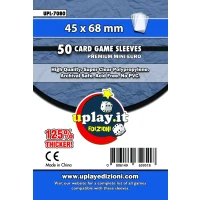
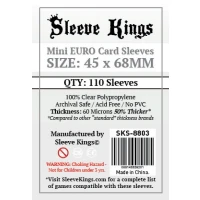
108 Karten mit einer Breite von 45.0mm und einer Höhe von 68.0mm
3x
(50 Stk)

2x
(100 Stk)

2x
(100 Stk)

3x
(50 Stk)

2x
(100 Stk)

3x
(50 Stk)
1x
(110 Stk)
3x
(50 Stk)

2x
(75 Stk)

2x
(75 Stk)

2x
(100 Stk)

2x
(55 Stk)
2x
(100 Stk)

 Beschreibung
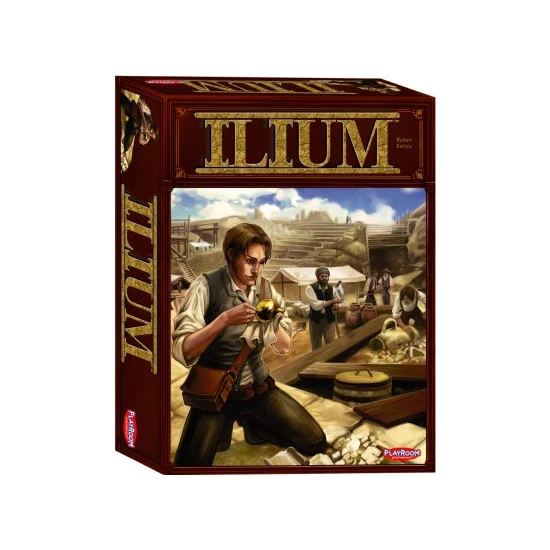
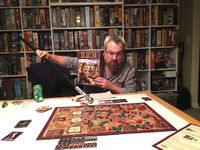
Ilium ist ein anderer Begriff für das antike Troja, und die Spieler sind Archäologen, die den Spuren von Heinrich Schliemann folgen und nach Artefakten an der neu ausgegrabenen Stätte dieser sagenhaften Stadt suchen. Das Brett und das Gameplay erinnern vielleicht an Portobello Market, das erste Strategiespiel dieser Art von Playroom. Das Brett zeigt eine Anzahl von Ausgrabungsstätten, mit Pfaden unterschiedlicher Längen, die die Stätten verbinden. Um das Spiel zu beginnen, platzieren Sie eine Anzahl von Entdeckungstafeln an jedem Standort, die der Anzahl der zu ihm führenden Pfade entspricht. Die Tafeln zeigen einen von fünf Arten von Artefakten, mit 1-5 Artefakten auf einer Tafel. Jeder Spieler hat sein eigenes Kartendeck, und die Karte, die Sie in jeder Runde ziehen, bestimmt, wie viele Archäologen (1-3) Sie auf einen leeren Platz auf einem beliebigen Pfad setzen. Wenn ein Pfad voll ist, sammelt der Spieler mit den meisten Archäologen auf dem Pfad eine Tafel von einer der angrenzenden Ausgrabungsstätten – aber an jedem Standort kann er nur die Tafel mit den wenigsten Artefakten wählen; der Spieler mit den zweitmeisten Artefakten nimmt die Tafel, die der erste Spieler nicht gewählt hat. Wenn die Ausgrabungsstätten leer werden, können die wertvolleren Tafeln beansprucht werden. Das Spiel endet, nachdem alle fünf Tafeln mit fünf Artefakten beansprucht wurden. Jeder Spieler erhielt zu Beginn des Spiels eine geheime Karte, die einen der Typen von Artefakten darstellt, und die Spieler müssen nun die Tafel dieses Typs ablegen, die die meisten Artefakte enthält. Der Spieler, der am Ende die meisten vollständigen Sätze hat, gewinnt das Spiel.
 Zusätzliche Informationen
| Mechanik: | Bereichskontrolle/Bereichseinfluss Sammlung festlegen |
| Kategorien: | Strategie |
| Alternative Namen: | |
| BARCODE: | 0300486200 |
| In der Wunschliste 1 Dies wurde 15173 Mal gesehen | |
Beschreibung
Ilium ist ein anderer Begriff für das antike Troja, und die Spieler sind Archäologen, die den Spuren von Heinrich Schliemann folgen und nach Artefakten an der neu ausgegrabenen Stätte dieser sagenhaften Stadt suchen. Das Brett und das Gameplay erinnern vielleicht an Portobello Market, das erste Strategiespiel dieser Art von Playroom. Das Brett zeigt eine Anzahl von Ausgrabungsstätten, mit Pfaden unterschiedlicher Längen, die die Stätten verbinden. Um das Spiel zu beginnen, platzieren Sie eine Anzahl von Entdeckungstafeln an jedem Standort, die der Anzahl der zu ihm führenden Pfade entspricht. Die Tafeln zeigen einen von fünf Arten von Artefakten, mit 1-5 Artefakten auf einer Tafel. Jeder Spieler hat sein eigenes Kartendeck, und die Karte, die Sie in jeder Runde ziehen, bestimmt, wie viele Archäologen (1-3) Sie auf einen leeren Platz auf einem beliebigen Pfad setzen. Wenn ein Pfad voll ist, sammelt der Spieler mit den meisten Archäologen auf dem Pfad eine Tafel von einer der angrenzenden Ausgrabungsstätten – aber an jedem Standort kann er nur die Tafel mit den wenigsten Artefakten wählen; der Spieler mit den zweitmeisten Artefakten nimmt die Tafel, die der erste Spieler nicht gewählt hat. Wenn die Ausgrabungsstätten leer werden, können die wertvolleren Tafeln beansprucht werden. Das Spiel endet, nachdem alle fünf Tafeln mit fünf Artefakten beansprucht wurden. Jeder Spieler erhielt zu Beginn des Spiels eine geheime Karte, die einen der Typen von Artefakten darstellt, und die Spieler müssen nun die Tafel dieses Typs ablegen, die die meisten Artefakte enthält. Der Spieler, der am Ende die meisten vollständigen Sätze hat, gewinnt das Spiel.
Kartenhüllen in diesem Spiel
108 Karten mit einer Breite von 45.0mm und einer Höhe von 68.0mm
3x
(50 Stk)
2x
(100 Stk)
2x
(100 Stk)
3x
(50 Stk)
2x
(100 Stk)
3x
(50 Stk)
1x
(110 Stk)
3x
(50 Stk)
2x
(75 Stk)
2x
(75 Stk)
2x
(100 Stk)
2x
(55 Stk)
2x
(100 Stk)
Zusätzliche Informationen
| Mechanik: | Bereichskontrolle/Bereichseinfluss Sammlung festlegen |
| Kategorien: | Strategie |
| Alternative Namen: | |
| BARCODE: | 0300486200 |
| In der Wunschliste 1 Dies wurde 15173 Mal gesehen | |
Was die Spieler sagen
Mit wie vielen Spielern es am besten ist · 18 Stimmen auf BoardGameGeek
- 1 0 0 halten es für am besten, 0 empfehlen es, 8 raten davon ab
- 2 2 2 halten es für am besten, 7 empfehlen es, 5 raten davon ab
- 3 7 7 halten es für am besten, 7 empfehlen es, 0 raten davon ab
- 4 3 3 halten es für am besten, 8 empfehlen es, 2 raten davon ab
- 4+ 0 0 halten es für am besten, 0 empfehlen es, 6 raten davon ab
Am besten Empfohlen Nicht empfohlen
Bewertungen von uplay-Nutzern: Noch keine uplay-Rezensionen. Schreibe die erste!
Deine Rezension
Kommentare werden vor der Veröffentlichung moderiert: keine Links, Beleidigungen oder sachfremden Inhalte. Respektvolle negative Meinungen sind willkommen.
Zum Bewerten anmelden
VORSICHT! Nicht für Kinder unter 3 Jahren geeignet. Es enthält Kleinteile, die verschluckt oder eingeatmet werden können.