






Sprache:
Italienisch
Englisch

|
|
|
|
Am besten mit 4 Spielern
9 von 10 Stimmen
Von Spielern empfohlenes Alter: 12+
4 von 4 Stimmen
2-4
90'
12
Kein notwendiger Text im Spiel
|
Magna Grecia
Herausgeber: Venice Connection
 Möchten Sie Ihr Exemplar dieses Spiels verkaufen?

Nutzen Sie unseren Marktplatz utrade!
Magna Grecia
Kontaktieren Sie uns
Teilen auf
Der Artikel ist nicht verfügbar. Sie können die Benachrichtigung nutzen, um benachrichtigt zu werden, wenn er wieder auf Lager ist.
BILDER AUF BGG
Diese Fotos sind Eigentum von boardgamegeek.com und beziehen sich nicht speziell auf die Ausgabe auf dieser Seite.








 Beschreibung
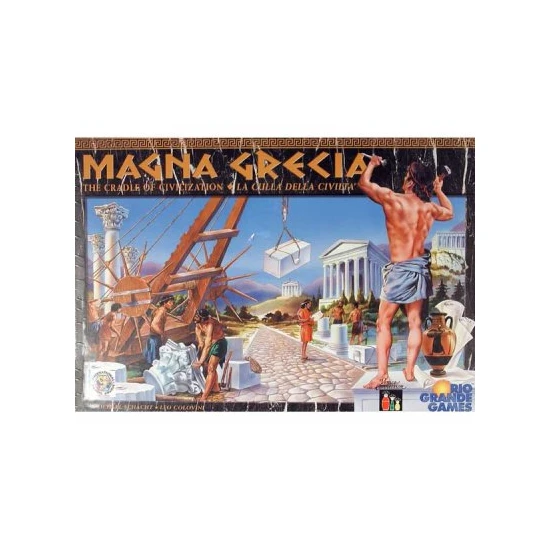
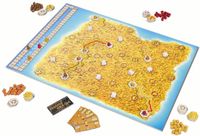
Magna Grecia (Die Wiege der Zivilisation) ist die Hauptattraktion des Jahres mit Clementoni. Das Spiel ist eine Zusammenarbeit von Leo Colovini und Michael Schacht. Die südliche Region Italiens wurde Magna Grecia genannt und wurde vor 2.500 Jahren von griechischen Händlern und Abenteurern besiedelt. Vor der Ankunft der Griechen war das Land nur von einigen kleinen Stämmen bewohnt. Fruchtbarer Boden, schiffbare Flüsse, große Wälder und Bronze- und Silberminen boten enorme Entwicklungsmöglichkeiten. Größere Städte entwickelten sich, wie Tarent, Syrakus, Katane, Locri und Naxos. Darüber hinaus gab es zahlreiche Dörfer, von denen keine Spur bleibt. Ein lokales Straßensystem förderte den Handel, und reiche Märkte entwickelten sich in den Städten. Immer mehr Rivalitäten zwischen den Städten entstanden, insbesondere um die Kontrolle des Orakels, das eine wichtige Quelle für Ruhm und Reichtum darstellte.
Ausreichend Material für einen Spielabend. Jeder Spieler muss Magna Grecia erfolgreich besiedeln und entwickeln. An günstigen Punkten werden Märkte gebaut, Dörfer zu Städten entwickelt und durch ein Straßensystem miteinander verbunden. Nur so kann das Innere geöffnet und das Orakel kontrolliert werden. Den eigenen großen Stadt zu bauen ist oft sehr teuer, und manchmal ist es lohnenswerter, stattdessen in neutralen Dörfern oder in den Städten der Gegner zu bauen.
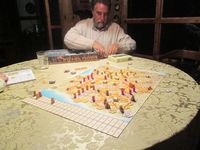
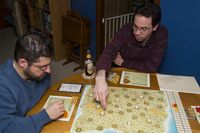
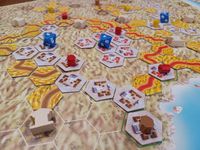
Das Brett ist mit einem Hexagonraster bedeckt, auf dem Straßen-, Stadt- oder Marktstücke platziert werden. Ein Spiel dauert 12 Runden. Jede Runde wird durch eine Aktionskarte bestimmt, die zu Beginn des Spiels nach einem bestimmten Muster aufgestellt wird. Die Karte gibt die Spielerreihenfolge an und zeigt, inwieweit die drei Grundaktionen (Straßenbau, Stadtbau und Versorgung) genutzt werden können. Es gibt auch bestimmte Bauvorschriften zu beachten. Darüber hinaus können Märkte eingerichtet werden, deren Wert von der Anzahl der verbundenen Standorte abhängt. Das Orakel wird auf dem Brett angezeigt. Um das Orakel zu kontrollieren, muss ein Spieler eine seiner eigenen Städte mit einer Straße verbinden. Wenn mehrere Städte mit einem Orakel verbunden sind, hat die wichtigste Stadt Vorrang, die durch die Anzahl der mit der Stadt verbundenen Standorte bestimmt wird (ohne Orakel). Märkte und das Orakel bestimmen, wann das Spiel endet.
Ausreichend Material für einen Spielabend. Jeder Spieler muss Magna Grecia erfolgreich besiedeln und entwickeln. An günstigen Punkten werden Märkte gebaut, Dörfer zu Städten entwickelt und durch ein Straßensystem miteinander verbunden. Nur so kann das Innere geöffnet und das Orakel kontrolliert werden. Den eigenen großen Stadt zu bauen ist oft sehr teuer, und manchmal ist es lohnenswerter, stattdessen in neutralen Dörfern oder in den Städten der Gegner zu bauen.
Das Brett ist mit einem Hexagonraster bedeckt, auf dem Straßen-, Stadt- oder Marktstücke platziert werden. Ein Spiel dauert 12 Runden. Jede Runde wird durch eine Aktionskarte bestimmt, die zu Beginn des Spiels nach einem bestimmten Muster aufgestellt wird. Die Karte gibt die Spielerreihenfolge an und zeigt, inwieweit die drei Grundaktionen (Straßenbau, Stadtbau und Versorgung) genutzt werden können. Es gibt auch bestimmte Bauvorschriften zu beachten. Darüber hinaus können Märkte eingerichtet werden, deren Wert von der Anzahl der verbundenen Standorte abhängt. Das Orakel wird auf dem Brett angezeigt. Um das Orakel zu kontrollieren, muss ein Spieler eine seiner eigenen Städte mit einer Straße verbinden. Wenn mehrere Städte mit einem Orakel verbunden sind, hat die wichtigste Stadt Vorrang, die durch die Anzahl der mit der Stadt verbundenen Standorte bestimmt wird (ohne Orakel). Märkte und das Orakel bestimmen, wann das Spiel endet.
 Zusätzliche Informationen
| Mechanik: | Routen-/Netzwerkaufbau Fliesenplatzierung |
| Kategorien: | Erkundung Historisch |
| Alternative Namen: | |
| BARCODE: | 655132002196 |
| In 6 Wunschlisten In 9 Sammlungen Dies wurde 22718 Mal gesehen | |
Beschreibung
Magna Grecia (Die Wiege der Zivilisation) ist die Hauptattraktion des Jahres mit Clementoni. Das Spiel ist eine Zusammenarbeit von Leo Colovini und Michael Schacht. Die südliche Region Italiens wurde Magna Grecia genannt und wurde vor 2.500 Jahren von griechischen Händlern und Abenteurern besiedelt. Vor der Ankunft der Griechen war das Land nur von einigen kleinen Stämmen bewohnt. Fruchtbarer Boden, schiffbare Flüsse, große Wälder und Bronze- und Silberminen boten enorme Entwicklungsmöglichkeiten. Größere Städte entwickelten sich, wie Tarent, Syrakus, Katane, Locri und Naxos. Darüber hinaus gab es zahlreiche Dörfer, von denen keine Spur bleibt. Ein lokales Straßensystem förderte den Handel, und reiche Märkte entwickelten sich in den Städten. Immer mehr Rivalitäten zwischen den Städten entstanden, insbesondere um die Kontrolle des Orakels, das eine wichtige Quelle für Ruhm und Reichtum darstellte.
Ausreichend Material für einen Spielabend. Jeder Spieler muss Magna Grecia erfolgreich besiedeln und entwickeln. An günstigen Punkten werden Märkte gebaut, Dörfer zu Städten entwickelt und durch ein Straßensystem miteinander verbunden. Nur so kann das Innere geöffnet und das Orakel kontrolliert werden. Den eigenen großen Stadt zu bauen ist oft sehr teuer, und manchmal ist es lohnenswerter, stattdessen in neutralen Dörfern oder in den Städten der Gegner zu bauen.
Das Brett ist mit einem Hexagonraster bedeckt, auf dem Straßen-, Stadt- oder Marktstücke platziert werden. Ein Spiel dauert 12 Runden. Jede Runde wird durch eine Aktionskarte bestimmt, die zu Beginn des Spiels nach einem bestimmten Muster aufgestellt wird. Die Karte gibt die Spielerreihenfolge an und zeigt, inwieweit die drei Grundaktionen (Straßenbau, Stadtbau und Versorgung) genutzt werden können. Es gibt auch bestimmte Bauvorschriften zu beachten. Darüber hinaus können Märkte eingerichtet werden, deren Wert von der Anzahl der verbundenen Standorte abhängt. Das Orakel wird auf dem Brett angezeigt. Um das Orakel zu kontrollieren, muss ein Spieler eine seiner eigenen Städte mit einer Straße verbinden. Wenn mehrere Städte mit einem Orakel verbunden sind, hat die wichtigste Stadt Vorrang, die durch die Anzahl der mit der Stadt verbundenen Standorte bestimmt wird (ohne Orakel). Märkte und das Orakel bestimmen, wann das Spiel endet.
Ausreichend Material für einen Spielabend. Jeder Spieler muss Magna Grecia erfolgreich besiedeln und entwickeln. An günstigen Punkten werden Märkte gebaut, Dörfer zu Städten entwickelt und durch ein Straßensystem miteinander verbunden. Nur so kann das Innere geöffnet und das Orakel kontrolliert werden. Den eigenen großen Stadt zu bauen ist oft sehr teuer, und manchmal ist es lohnenswerter, stattdessen in neutralen Dörfern oder in den Städten der Gegner zu bauen.
Das Brett ist mit einem Hexagonraster bedeckt, auf dem Straßen-, Stadt- oder Marktstücke platziert werden. Ein Spiel dauert 12 Runden. Jede Runde wird durch eine Aktionskarte bestimmt, die zu Beginn des Spiels nach einem bestimmten Muster aufgestellt wird. Die Karte gibt die Spielerreihenfolge an und zeigt, inwieweit die drei Grundaktionen (Straßenbau, Stadtbau und Versorgung) genutzt werden können. Es gibt auch bestimmte Bauvorschriften zu beachten. Darüber hinaus können Märkte eingerichtet werden, deren Wert von der Anzahl der verbundenen Standorte abhängt. Das Orakel wird auf dem Brett angezeigt. Um das Orakel zu kontrollieren, muss ein Spieler eine seiner eigenen Städte mit einer Straße verbinden. Wenn mehrere Städte mit einem Orakel verbunden sind, hat die wichtigste Stadt Vorrang, die durch die Anzahl der mit der Stadt verbundenen Standorte bestimmt wird (ohne Orakel). Märkte und das Orakel bestimmen, wann das Spiel endet.
Zusätzliche Informationen
| Mechanik: | Routen-/Netzwerkaufbau Fliesenplatzierung |
| Kategorien: | Erkundung Historisch |
| Alternative Namen: | |
| BARCODE: | 655132002196 |
| In 6 Wunschlisten In 9 Sammlungen Dies wurde 22718 Mal gesehen | |
 Oft zusammen gekauft

Was die Spieler sagen
Mit wie vielen Spielern es am besten ist · 10 Stimmen auf BoardGameGeek
- 1 0 0 halten es für am besten, 0 empfehlen es, 6 raten davon ab
- 2 0 0 halten es für am besten, 7 empfehlen es, 1 raten davon ab
- 3 3 3 halten es für am besten, 7 empfehlen es, 0 raten davon ab
- 4 9 9 halten es für am besten, 1 empfehlen es, 0 raten davon ab
- 4+ 0 0 halten es für am besten, 0 empfehlen es, 4 raten davon ab
Am besten Empfohlen Nicht empfohlen
Bewertungen von uplay-Nutzern: Noch keine uplay-Rezensionen. Schreibe die erste!
Deine Rezension
Kommentare werden vor der Veröffentlichung moderiert: keine Links, Beleidigungen oder sachfremden Inhalte. Respektvolle negative Meinungen sind willkommen.
Zum Bewerten anmelden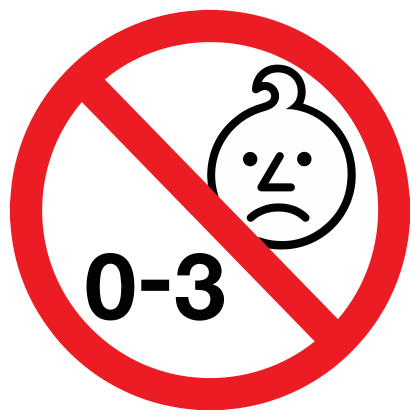
VORSICHT! Nicht für Kinder unter 3 Jahren geeignet. Es enthält Kleinteile, die verschluckt oder eingeatmet werden können.