








Idioma:
ingles

|
|
|
|
Mejor con 2 jugadores
2 votos de 3
1-2
120'
Moderater Text im Spiel
|
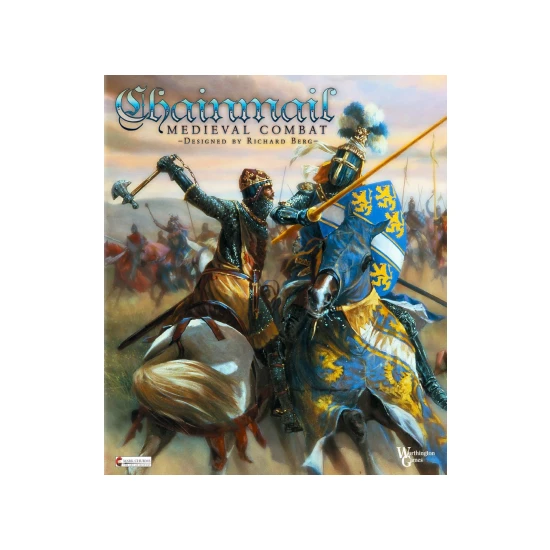
Chainmail
Editor: Worthington Games

 ¿Quieres vender tu copia de este juego?

¡Utilice nuestro mercado utrade!
Chainmail
Contáctenos
Compartir en
El artículo no está disponible, puede utilizar la alerta para recibir una notificación cuando volverá a estar disponible.
FOTOS EN BGG
Estas fotos son propiedad de boardgamegeek.com y no se refieren específicamente a la edición de esta página.



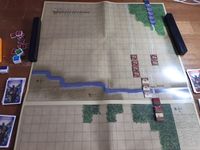
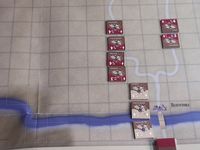
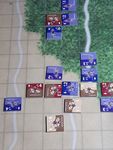
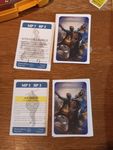
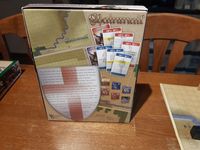
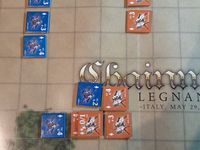
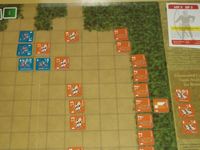
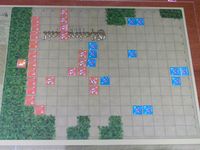
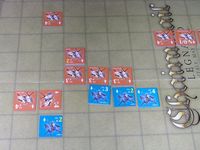
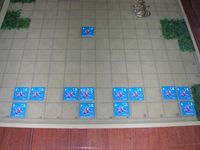
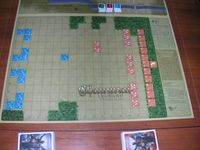
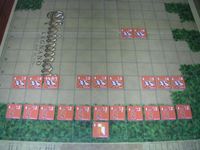
 Descripción
Not to be Confused With: Chainmail
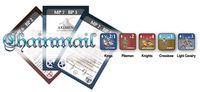
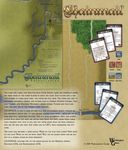
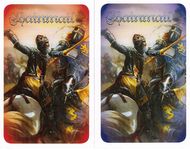
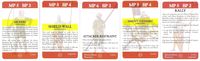
El juego utiliza cartas, un mazo para cada jugador (cuyas cartas son algo diferentes de las del otro jugador) para dirigir el juego. Cada jugador recibe un cierto número de cartas en cada turno, pero nunca su mazo completo. Las cartas se utilizan para determinar el movimiento, el combate y acciones como los Hombres de Armas, la Carga de Caballeros, la Carga de Caballería y el Movimiento Estratégico, entre otros. Los jugadores pueden jugar cada carta solo para uno de los tres propósitos posibles.
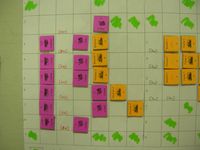
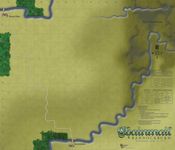
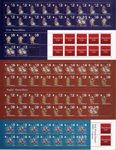
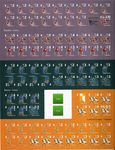
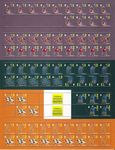
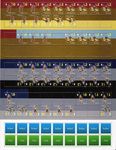
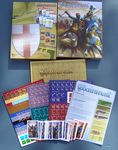
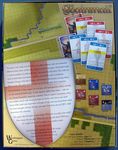
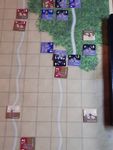
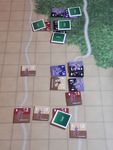
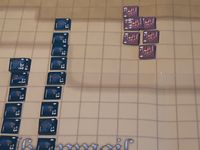
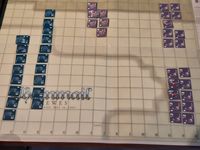
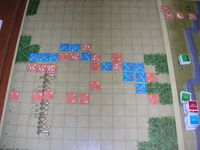
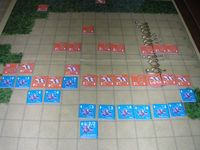
CHAINMAIL es, por lo tanto, un juego de juego de cartas y gestión, que se desarrolla en el mapa de batalla histórico: utiliza cuadrados, en lugar de hexágonos, con el uso de algunos hermosos contadores de gran tamaño. Este es un juego de posición, simulación y ataque repentino con lo que esperas que sean mejores probabilidades (ya que no sabes qué cartas jugará tu oponente, si es que juega alguna, y nunca sabes cuál será su fuerza final). No se utilizan dados. Y no hay CRT. La habilidad determina el resultado.
El juego se convierte así en una batalla tensa. ¿Cuándo juegas tus cartas? ¿Cuántas juegas? ¿Qué haces con ellas? ¿Te quedas corto y eres objeto de un ataque repentino por parte de tu oponente?
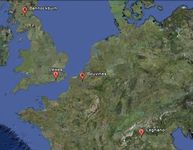
CHAINMAIL incluye cuatro de las principales batallas del período medieval: Legnano (1176), Bouvines (1214), Lewes (1264) y Bannockburn (1314).
LEGNANO
La Batalla de Legnano, el 29 de mayo de 1176, fue una gran derrota del Sacro Emperador Romano Barbarroja por miembros de la Liga Lombarda. Fue un gran revés para sus planes de dominación imperial de Italia y mostró por primera vez la infantería contra la caballería feudal.
BOUVINES
La Batalla de Bouvines, el 27 de julio de 1214, fue una batalla medieval concluyente que puso fin a la Guerra de Bouvines de doce años, que fue importante para el desarrollo temprano del estado francés al confirmar la soberanía de la corona francesa sobre las tierras normandas de Bretaña y Normandía.
LEWES
La Batalla de Lewes, el 12 de mayo de 1264, fue una de las dos principales batallas del conflicto conocido como la Segunda Guerra de los Barones. Fue el punto culminante de la carrera de Simón de Montfort, 6º Conde de Leicester, y lo convirtió en el "rey no coronado de Inglaterra".
BANNOCKBURN
La Batalla de Bannockburn, el 24 de junio de 1314, fue una victoria escocesa significativa en las Guerras de Independencia Escocesa. Fue la batalla decisiva en la Primera Guerra de Independencia Escocesa.
 Información adicional
| mecanica: | Campaña/Batalla impulsada por cartas Manejo de manos |
| Categorías: | medievales guerra |
| Nombres alternativos: | |
| BARCODE: | ????????? |
| Esto fue visto 2211 veces | |
Descripción
Not to be Confused With: Chainmail
El juego utiliza cartas, un mazo para cada jugador (cuyas cartas son algo diferentes de las del otro jugador) para dirigir el juego. Cada jugador recibe un cierto número de cartas en cada turno, pero nunca su mazo completo. Las cartas se utilizan para determinar el movimiento, el combate y acciones como los Hombres de Armas, la Carga de Caballeros, la Carga de Caballería y el Movimiento Estratégico, entre otros. Los jugadores pueden jugar cada carta solo para uno de los tres propósitos posibles.
CHAINMAIL es, por lo tanto, un juego de juego de cartas y gestión, que se desarrolla en el mapa de batalla histórico: utiliza cuadrados, en lugar de hexágonos, con el uso de algunos hermosos contadores de gran tamaño. Este es un juego de posición, simulación y ataque repentino con lo que esperas que sean mejores probabilidades (ya que no sabes qué cartas jugará tu oponente, si es que juega alguna, y nunca sabes cuál será su fuerza final). No se utilizan dados. Y no hay CRT. La habilidad determina el resultado.
El juego se convierte así en una batalla tensa. ¿Cuándo juegas tus cartas? ¿Cuántas juegas? ¿Qué haces con ellas? ¿Te quedas corto y eres objeto de un ataque repentino por parte de tu oponente?
CHAINMAIL incluye cuatro de las principales batallas del período medieval: Legnano (1176), Bouvines (1214), Lewes (1264) y Bannockburn (1314).
LEGNANO
La Batalla de Legnano, el 29 de mayo de 1176, fue una gran derrota del Sacro Emperador Romano Barbarroja por miembros de la Liga Lombarda. Fue un gran revés para sus planes de dominación imperial de Italia y mostró por primera vez la infantería contra la caballería feudal.
BOUVINES
La Batalla de Bouvines, el 27 de julio de 1214, fue una batalla medieval concluyente que puso fin a la Guerra de Bouvines de doce años, que fue importante para el desarrollo temprano del estado francés al confirmar la soberanía de la corona francesa sobre las tierras normandas de Bretaña y Normandía.
LEWES
La Batalla de Lewes, el 12 de mayo de 1264, fue una de las dos principales batallas del conflicto conocido como la Segunda Guerra de los Barones. Fue el punto culminante de la carrera de Simón de Montfort, 6º Conde de Leicester, y lo convirtió en el "rey no coronado de Inglaterra".
BANNOCKBURN
La Batalla de Bannockburn, el 24 de junio de 1314, fue una victoria escocesa significativa en las Guerras de Independencia Escocesa. Fue la batalla decisiva en la Primera Guerra de Independencia Escocesa.
Información adicional
| mecanica: | Campaña/Batalla impulsada por cartas Manejo de manos |
| Categorías: | medievales guerra |
| Nombres alternativos: | |
| BARCODE: | ????????? |
| Esto fue visto 2211 veces | |
Lo que dicen los jugadores
Con cuántos jugadores funciona mejor · 3 votos en BoardGameGeek
- 1 0 0 lo consideran el mejor, 1 lo recomiendan, 2 lo desaconsejan
- 2 2 2 lo consideran el mejor, 1 lo recomiendan, 0 lo desaconsejan
- 2+ 0 0 lo consideran el mejor, 0 lo recomiendan, 3 lo desaconsejan
El mejor Sugerido No recomendado
Valoraciones de usuarios uplay: Aún no hay reseñas uplay. ¡Sé el primero!
Tu reseña
Los comentarios se moderan antes de publicarse: sin enlaces, insultos ni contenido ajeno al producto. Se aceptan opiniones negativas respetuosas.
Inicia sesión para reseñar
¡PRECAUCIÓN! No apto para niños menores de 3 años. Contiene piezas pequeñas que podrían tragarse o inhalarse.