











|
|
|
|
Mejor con 2 jugadores
225 votos de 236
Edad recomendada por los jugadores: 8+
35 votos de 121
2
90'
8
Nenhum texto necessário no jogo
|
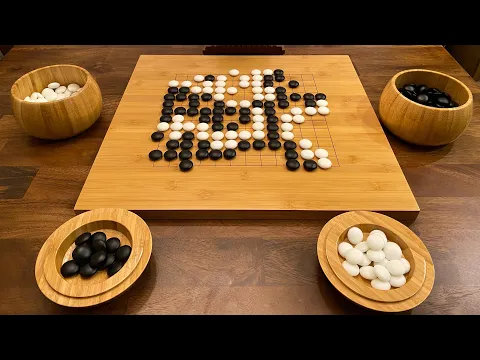
Go Game: Wood
 ¿Quieres vender tu copia de este juego?





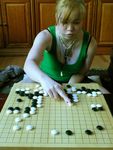


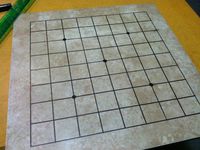


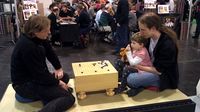
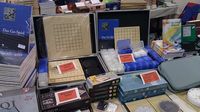


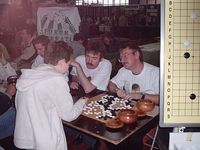






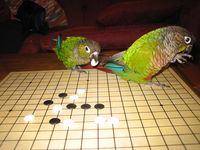

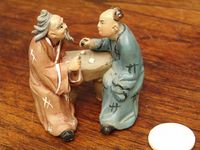
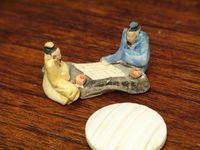
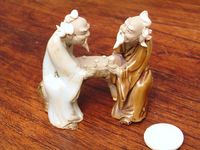


 Descripción
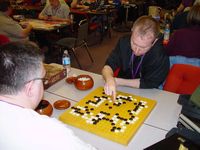
El Go se juega entre dos. Es un juego de habilidad en el que la suerte no tiene ningún papel: gana el más hábil y no el más afortunado. Es uno de los juegos más antiguos del mundo, habiendo sido inventado en China hace quizás 4000 años. Las reglas son muy simples y se necesitan un par de minutos para explicarlas. El objetivo del juego es construir territorios rodeando áreas del tablero de juego con las piezas de su color. Dado que gana quien ha rodeado más territorio, cada uno se opondrá a los intentos del otro. Cabe señalar que hay una diferencia notable con respecto a juegos como las damas y el ajedrez, cuyo fin es la aniquilación del adversario. En el Go, a menudo se deben hacer compromisos, lo que permite ceder territorio en una zona para obtener un poco más en otra; y tal vez gracias a esa ligera diferencia se gane la partida. La habilidad radica en saber evaluar cuál es el intercambio más ventajoso.
El Go es un juego agradable a cualquier nivel de habilidad. Los jugadores principiantes no son capaces de captar sus aspectos estratégicos y sus partidas a menudo se resuelven en intensos combates por delimitar territorios fácilmente identificables. A medida que mejora el conocimiento del juego, se descubren nuevas formas de llevar a cabo la partida.
 Información adicional
| mecanica: | Área de control/área de influencia Cerramiento de área |
| Categorías: | Estrategia |
| Nombres alternativos: | Atari Go Baduk Go Gó Go & Go Bang Turnier Go + Gobang Go und Gobang Igo NEGOCIACION Orient Original Go Paduk Patol Peg Travel Go Game Smart Go The Game of Go The Go Pack The Oriental Game of Go Wei Qi Weichi Weiqi yi yih Вэйци Го Падук 囲碁 围棋 圍棋 弈 碁 바둑 Atari Go Baduk Cờ Vây Go Go & Go Bang Turnier Go & Gobang Go + Gobang Go A Game of Oriental Strategy Go Gobang Go und Gobang Go, Das Brettspiel Ostasiens GoToGo Igo Jang Stone II Jeu de Go Magnetic Chess Magnetic GO Mikado: The Game of Go Negociation Orient Original Go Paduk Patol Peg Travel Go Game Smart Go The Game of Go The Go Pack The Oriental Game of Go Wei Qi Weichi Weiqi yi yih Yunzi Go Stone set Вэйци Го Падук 囲碁 围棋 圍棋 弈 碁 바둑 신의한수 |
| BARCODE: | 7350065321576 |
| En 1 lista de deseos En colecciones 3 Esto fue visto 17194 veces | |
Descripción
El Go se juega entre dos. Es un juego de habilidad en el que la suerte no tiene ningún papel: gana el más hábil y no el más afortunado. Es uno de los juegos más antiguos del mundo, habiendo sido inventado en China hace quizás 4000 años. Las reglas son muy simples y se necesitan un par de minutos para explicarlas. El objetivo del juego es construir territorios rodeando áreas del tablero de juego con las piezas de su color. Dado que gana quien ha rodeado más territorio, cada uno se opondrá a los intentos del otro. Cabe señalar que hay una diferencia notable con respecto a juegos como las damas y el ajedrez, cuyo fin es la aniquilación del adversario. En el Go, a menudo se deben hacer compromisos, lo que permite ceder territorio en una zona para obtener un poco más en otra; y tal vez gracias a esa ligera diferencia se gane la partida. La habilidad radica en saber evaluar cuál es el intercambio más ventajoso.
El Go es un juego agradable a cualquier nivel de habilidad. Los jugadores principiantes no son capaces de captar sus aspectos estratégicos y sus partidas a menudo se resuelven en intensos combates por delimitar territorios fácilmente identificables. A medida que mejora el conocimiento del juego, se descubren nuevas formas de llevar a cabo la partida.
Información adicional
| mecanica: | Área de control/área de influencia Cerramiento de área |
| Categorías: | Estrategia |
| Nombres alternativos: | Atari Go Baduk Go Gó Go & Go Bang Turnier Go + Gobang Go und Gobang Igo NEGOCIACION Orient Original Go Paduk Patol Peg Travel Go Game Smart Go The Game of Go The Go Pack The Oriental Game of Go Wei Qi Weichi Weiqi yi yih Вэйци Го Падук 囲碁 围棋 圍棋 弈 碁 바둑 Atari Go Baduk Cờ Vây Go Go & Go Bang Turnier Go & Gobang Go + Gobang Go A Game of Oriental Strategy Go Gobang Go und Gobang Go, Das Brettspiel Ostasiens GoToGo Igo Jang Stone II Jeu de Go Magnetic Chess Magnetic GO Mikado: The Game of Go Negociation Orient Original Go Paduk Patol Peg Travel Go Game Smart Go The Game of Go The Go Pack The Oriental Game of Go Wei Qi Weichi Weiqi yi yih Yunzi Go Stone set Вэйци Го Падук 囲碁 围棋 圍棋 弈 碁 바둑 신의한수 |
| BARCODE: | 7350065321576 |
| En 1 lista de deseos En colecciones 3 Esto fue visto 17194 veces | |


Lo que dicen los jugadores
Con cuántos jugadores funciona mejor · 236 votos en BoardGameGeek
- 1 1 1 lo consideran el mejor, 27 lo recomiendan, 148 lo desaconsejan
- 2 225 225 lo consideran el mejor, 11 lo recomiendan, 0 lo desaconsejan
- 2+ 2 2 lo consideran el mejor, 24 lo recomiendan, 150 lo desaconsejan
El mejor Sugerido No recomendado
Valoraciones de usuarios uplay: Aún no hay reseñas uplay. ¡Sé el primero!
Tu reseña
Los comentarios se moderan antes de publicarse: sin enlaces, insultos ni contenido ajeno al producto. Se aceptan opiniones negativas respetuosas.
Inicia sesión para reseñar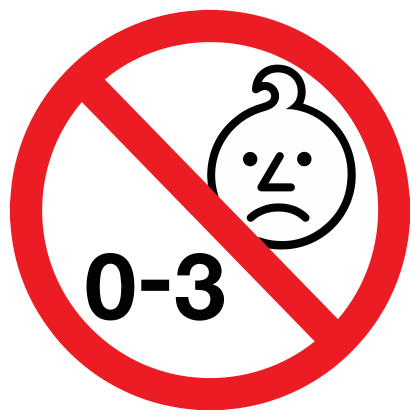
¡PRECAUCIÓN! No apto para niños menores de 3 años. Contiene piezas pequeñas que podrían tragarse o inhalarse.