









Idioma:
ingles

|
|
|
|
Mejor con 1 jugadores
21 votos de 24
Edad recomendada por los jugadores: 12+
4 votos de 12
1
30'
12
Moderater Text im Spiel
|
Phantom Leader
Editor: Dan Verssen Games

 ¿Quieres vender tu copia de este juego?

¡Utilice nuestro mercado utrade!
Phantom Leader
Contáctenos
Compartir en
El artículo no está disponible, puede utilizar la alerta para recibir una notificación cuando volverá a estar disponible.
FOTOS EN BGG
Estas fotos son propiedad de boardgamegeek.com y no se refieren específicamente a la edición de esta página.


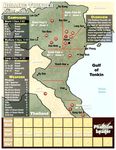
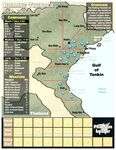
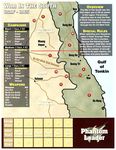
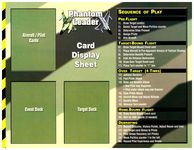




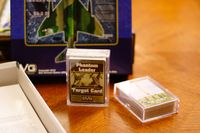
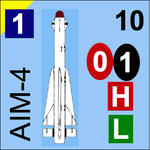

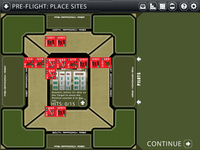
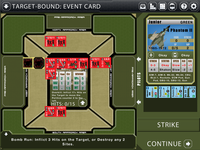




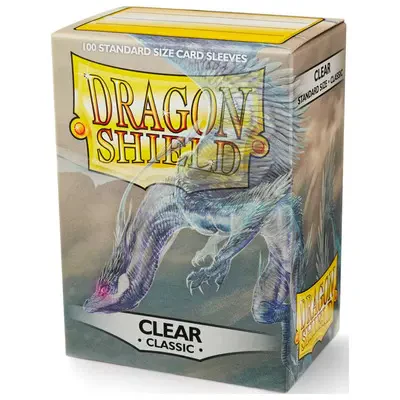
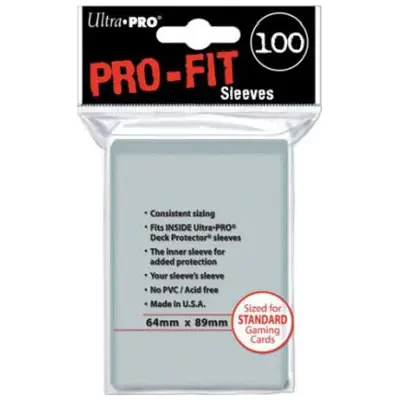
 Fundas de cartas en este juego.
165 tarjetas de 63.5mm de ancho y 88.0mm de alto
2x
(100 PC)

4x
(50 PC)

2x
(100 PC)

2x
(100 PC)
2x
(100 PC)
4x
(50 PC)

2x
(100 PC)

2x
(100 PC)
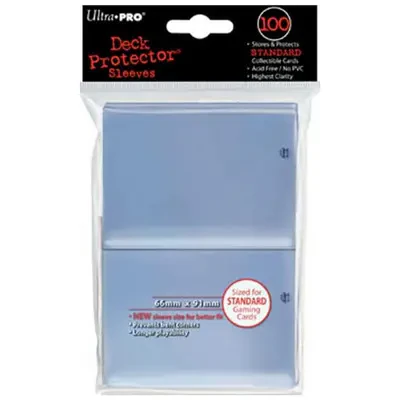
3x
(80 PC)
3x
(80 PC)
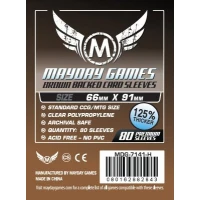
2x
(100 PC)

2x
(100 PC)
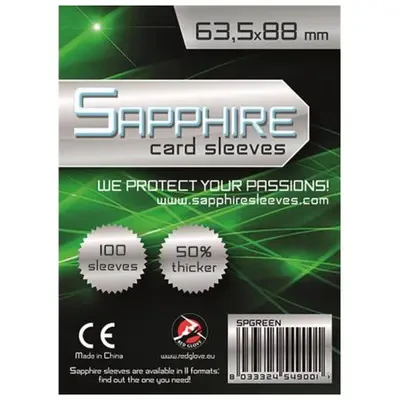
2x
(100 PC)

2x
(100 PC)
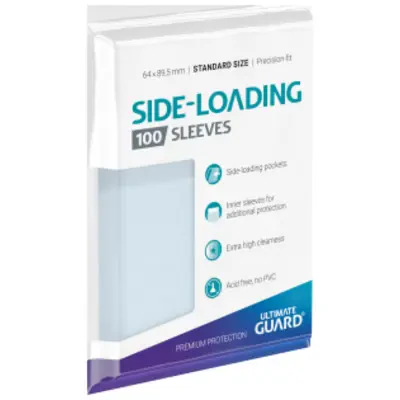
3x
(60 PC)
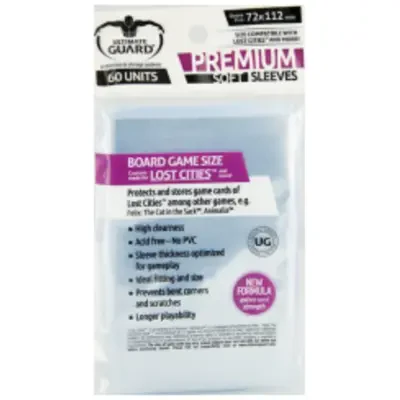
2x
(110 PC)

4x
(50 PC)

3x
(75 PC)
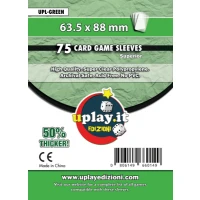
4x
(50 PC)
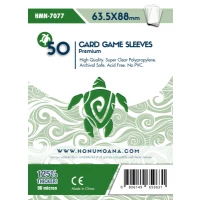
3x
(75 PC)
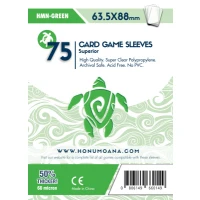
2x
(100 PC)
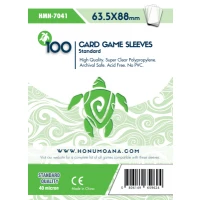
1x
(1000 PC)
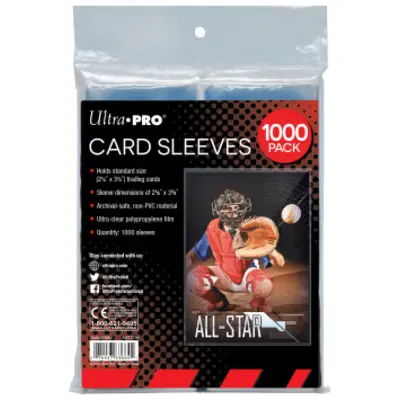
2x
(100 PC)

2x
(110 PC)

3x
(60 PC)

3x
(80 PC)

4x
(50 PC)
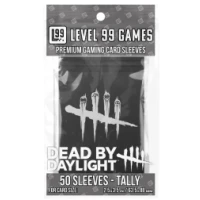
1x
(250 PC)
2x
(100 PC)

2x
(100 PC)

2x
(100 PC)

2x
(100 PC)

3x
(60 PC)

4x
(50 PC)

4x
(50 PC)

2x
(100 PC)
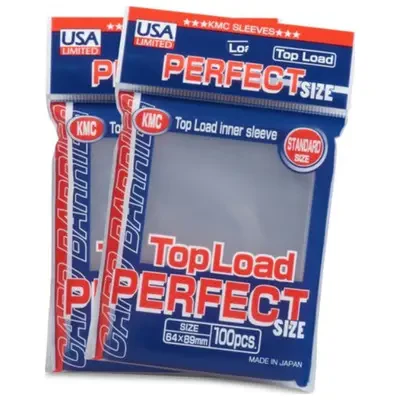
3x
(55 PC)
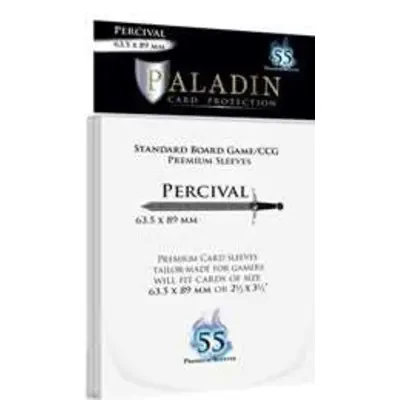
3x
(55 PC)
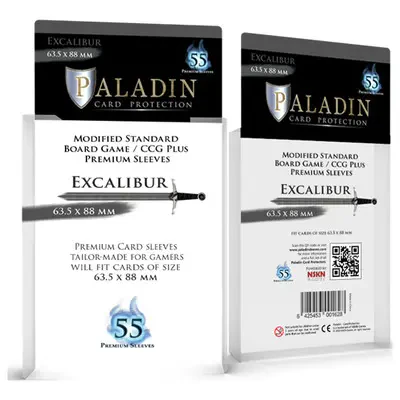
2x
(105 PC)

2x
(105 PC)

2x
(100 PC)

2x
(100 PC)

2x
(100 PC)
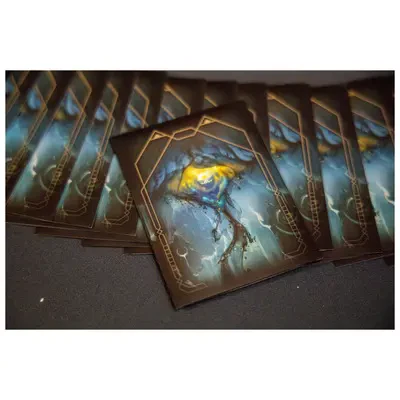
2x
(100 PC)

3x
(60 PC)
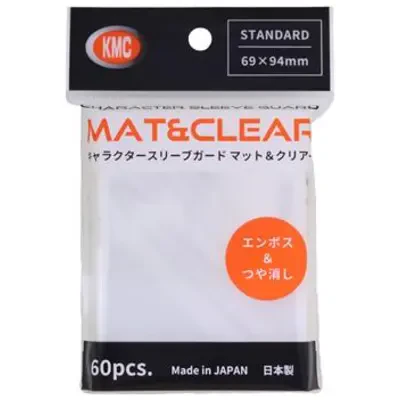
2x
(100 PC)
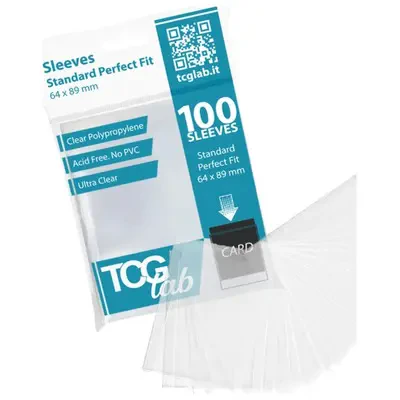
2x
(100 PC)

2x
(100 PC)
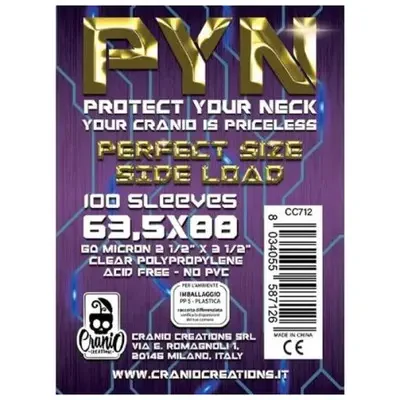
 Descripción
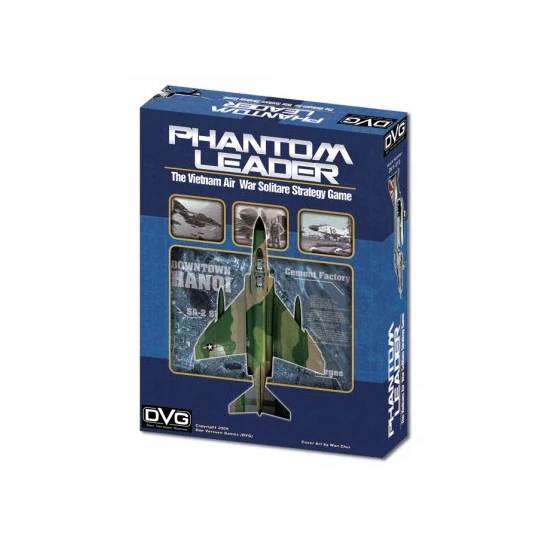
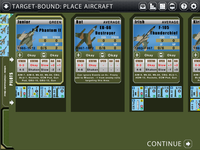
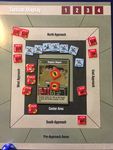
Phantom Leader te coloca al mando de un escuadrón de cazas tácticos de la Fuerza Aérea de EE. UU. o de la Marina de EE. UU. en Vietnam entre 1964 y 1972. No solo debes destruir los objetivos, sino también equilibrar las delicadas repercusiones políticas de tus ataques. Si golpeas demasiado fuerte, tu ofensiva aérea podría ser suspendida, si golpeas demasiado ligero, te culparán por perder la guerra. Cada una de las campañas se puede jugar con un escuadrón de la Fuerza Aérea o de la Marina. Los objetivos asignados a cada servicio son diferentes y cambian la complejidad de las campañas. Cada campaña se puede jugar con tres duraciones diferentes: Escaramuza, Conflicto o Guerra. Cada misión toma aproximadamente 30 minutos para configurarse, planificarse y resolverse. Cada uno de tus pilotos tiene sus propias habilidades. Seleccionar los pilotos y armas adecuados para una misión es vital para su éxito. A medida que vuelas misiones, tus pilotos ganarán experiencia y fatiga. Con la experiencia, sus habilidades mejoran, pero a medida que aumenta su fatiga, sus habilidades disminuyen y pueden no ser capaces de volar durante varias misiones. Cada objetivo tiene un valor político. Si lo destruyes, mueves el contador político hacia la derecha un número de espacios igual a su valor. A medida que el contador se mueve hacia la derecha, tus futuras opciones de objetivos se reducen a aquellos que son menos sensibles políticamente. Esto significa que, aunque te gustaría aplastar un gran objetivo enemigo y acumular puntos de victoria, podría ser mejor para ti elegir un objetivo sin importancia y mover el contador político a tu favor en su lugar. Otra diferencia está en el poder de combate. Durante las últimas décadas, la Fuerza Aérea y la Marina de EE. UU. han disfrutado de superioridad aérea gracias al entrenamiento y la tecnología. No fue así en los cielos de Vietnam. El enemigo tenía un equipo diferente, pero igualmente capaz. También tenían la formación y la voluntad de utilizarlo al máximo. Pronto se dieron cuenta de las limitaciones impuestas a las fuerzas estadounidenses por los políticos y utilizaron esas limitaciones a su favor. Por ejemplo, en ocasiones, a los pilotos estadounidenses no se les permitía disparar a los aviones enemigos hasta que fueran identificados visualmente. Esto anulaba cualquier ventaja de alcance conferida por los misiles AIM-7 Sparrow guiados por radar. También era una limitación común que los aviones enemigos solo pudieran ser atacados en el aire. Los pilotos estadounidenses no podían atacar las bases aéreas enemigas. Los aviones estadounidenses también estaban limitados a volar por rutas de vuelo predecibles, en momentos establecidos. Esto facilitó la configuración de emboscadas para el enemigo. Así que, aunque puedas ser un as de Hornet Leader, ¡Vietnam es un juego completamente diferente!
 Información adicional
| mecanica: | Campaña/Batalla impulsada por cartas Redacción de tarjetas Lanzamiento de dados |
| Categorías: | guerra |
| Nombres alternativos: | |
| BARCODE: | NOEAN_2754 |
| En 2 listas de deseos En colecciones 2 Esto fue visto 9016 veces | |
Descripción
Phantom Leader te coloca al mando de un escuadrón de cazas tácticos de la Fuerza Aérea de EE. UU. o de la Marina de EE. UU. en Vietnam entre 1964 y 1972. No solo debes destruir los objetivos, sino también equilibrar las delicadas repercusiones políticas de tus ataques. Si golpeas demasiado fuerte, tu ofensiva aérea podría ser suspendida, si golpeas demasiado ligero, te culparán por perder la guerra. Cada una de las campañas se puede jugar con un escuadrón de la Fuerza Aérea o de la Marina. Los objetivos asignados a cada servicio son diferentes y cambian la complejidad de las campañas. Cada campaña se puede jugar con tres duraciones diferentes: Escaramuza, Conflicto o Guerra. Cada misión toma aproximadamente 30 minutos para configurarse, planificarse y resolverse. Cada uno de tus pilotos tiene sus propias habilidades. Seleccionar los pilotos y armas adecuados para una misión es vital para su éxito. A medida que vuelas misiones, tus pilotos ganarán experiencia y fatiga. Con la experiencia, sus habilidades mejoran, pero a medida que aumenta su fatiga, sus habilidades disminuyen y pueden no ser capaces de volar durante varias misiones. Cada objetivo tiene un valor político. Si lo destruyes, mueves el contador político hacia la derecha un número de espacios igual a su valor. A medida que el contador se mueve hacia la derecha, tus futuras opciones de objetivos se reducen a aquellos que son menos sensibles políticamente. Esto significa que, aunque te gustaría aplastar un gran objetivo enemigo y acumular puntos de victoria, podría ser mejor para ti elegir un objetivo sin importancia y mover el contador político a tu favor en su lugar. Otra diferencia está en el poder de combate. Durante las últimas décadas, la Fuerza Aérea y la Marina de EE. UU. han disfrutado de superioridad aérea gracias al entrenamiento y la tecnología. No fue así en los cielos de Vietnam. El enemigo tenía un equipo diferente, pero igualmente capaz. También tenían la formación y la voluntad de utilizarlo al máximo. Pronto se dieron cuenta de las limitaciones impuestas a las fuerzas estadounidenses por los políticos y utilizaron esas limitaciones a su favor. Por ejemplo, en ocasiones, a los pilotos estadounidenses no se les permitía disparar a los aviones enemigos hasta que fueran identificados visualmente. Esto anulaba cualquier ventaja de alcance conferida por los misiles AIM-7 Sparrow guiados por radar. También era una limitación común que los aviones enemigos solo pudieran ser atacados en el aire. Los pilotos estadounidenses no podían atacar las bases aéreas enemigas. Los aviones estadounidenses también estaban limitados a volar por rutas de vuelo predecibles, en momentos establecidos. Esto facilitó la configuración de emboscadas para el enemigo. Así que, aunque puedas ser un as de Hornet Leader, ¡Vietnam es un juego completamente diferente!
Fundas de cartas en este juego.
165 tarjetas de 63.5mm de ancho y 88.0mm de alto
2x
(100 PC)
4x
(50 PC)
2x
(100 PC)
2x
(100 PC)
2x
(100 PC)
4x
(50 PC)
2x
(100 PC)
2x
(100 PC)
3x
(80 PC)
3x
(80 PC)
2x
(100 PC)
2x
(100 PC)
2x
(100 PC)
2x
(100 PC)
3x
(60 PC)
2x
(110 PC)
4x
(50 PC)
3x
(75 PC)
4x
(50 PC)
3x
(75 PC)
2x
(100 PC)
1x
(1000 PC)
2x
(100 PC)
2x
(110 PC)
3x
(60 PC)
3x
(80 PC)
4x
(50 PC)
1x
(250 PC)
2x
(100 PC)
2x
(100 PC)
2x
(100 PC)
2x
(100 PC)
3x
(60 PC)
4x
(50 PC)
4x
(50 PC)
2x
(100 PC)
3x
(55 PC)
3x
(55 PC)
2x
(105 PC)
2x
(105 PC)
2x
(100 PC)
2x
(100 PC)
2x
(100 PC)
2x
(100 PC)
3x
(60 PC)
2x
(100 PC)
2x
(100 PC)
2x
(100 PC)
Información adicional
| mecanica: | Campaña/Batalla impulsada por cartas Redacción de tarjetas Lanzamiento de dados |
| Categorías: | guerra |
| Nombres alternativos: | |
| BARCODE: | NOEAN_2754 |
| En 2 listas de deseos En colecciones 2 Esto fue visto 9016 veces | |
Lo que dicen los jugadores
Con cuántos jugadores funciona mejor · 24 votos en BoardGameGeek
- 1 21 21 lo consideran el mejor, 2 lo recomiendan, 0 lo desaconsejan
- 1+ 1 1 lo consideran el mejor, 4 lo recomiendan, 11 lo desaconsejan
El mejor Sugerido No recomendado
Valoraciones de usuarios uplay: Aún no hay reseñas uplay. ¡Sé el primero!
Tu reseña
Los comentarios se moderan antes de publicarse: sin enlaces, insultos ni contenido ajeno al producto. Se aceptan opiniones negativas respetuosas.
Inicia sesión para reseñar
¡PRECAUCIÓN! No apto para niños menores de 3 años. Contiene piezas pequeñas que podrían tragarse o inhalarse.