


Idioma:
ingles

|
|
|
|
Mejor con 3 jugadores
82 votos de 91
Edad recomendada por los jugadores: 16+
6 votos de 14
2-3
240'
12
Algún texto necesario
|
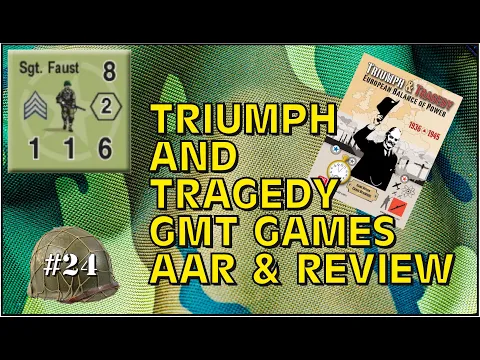
Triumph and Tragedy
Editor: GMT Games
 ¿Quieres vender tu copia de este juego?

¡Utilice nuestro mercado utrade!
Triumph and Tragedy
Contáctenos
Compartir en
El artículo no está disponible, puede utilizar la alerta para recibir una notificación cuando volverá a estar disponible.
FOTOS EN BGG
Estas fotos son propiedad de boardgamegeek.com y no se refieren específicamente a la edición de esta página.






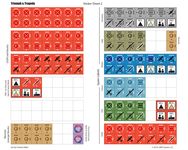



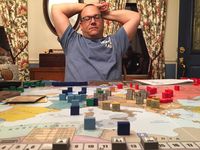


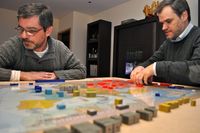
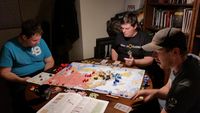


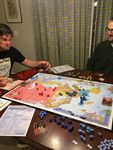

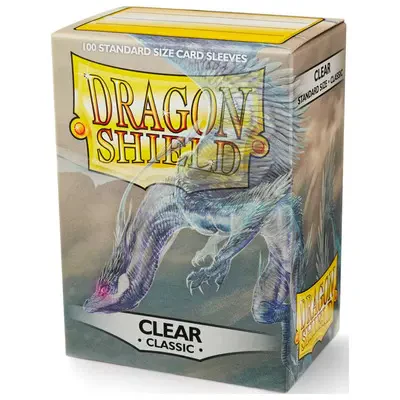
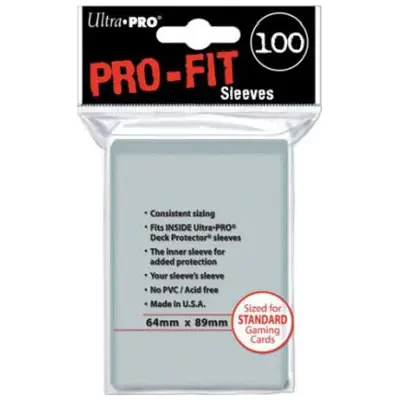
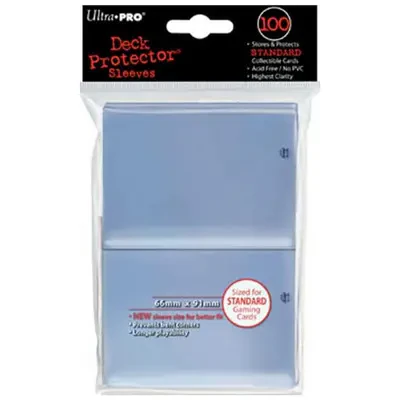
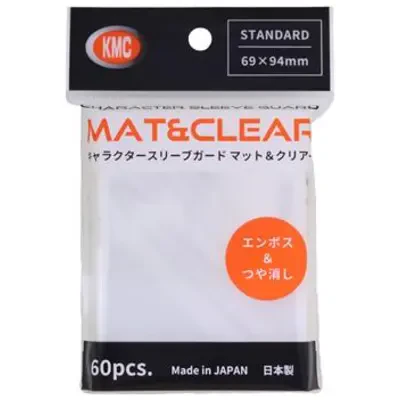
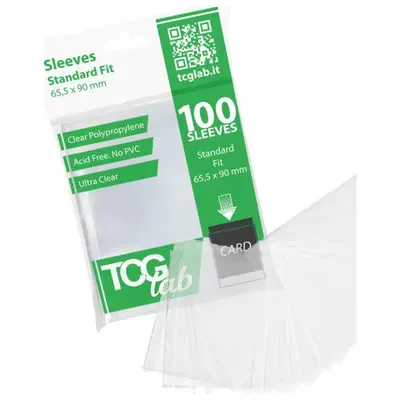
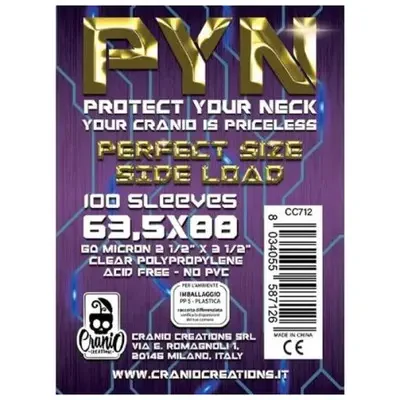
 Fundas de cartas en este juego.
110 tarjetas de 63.5mm de ancho y 88.0mm de alto
2x
(100 PC)

2x
(100 PC)

3x
(50 PC)

2x
(100 PC)

2x
(100 PC)
2x
(100 PC)
3x
(50 PC)

2x
(100 PC)

2x
(100 PC)
2x
(80 PC)
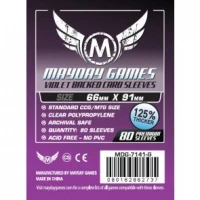
2x
(80 PC)
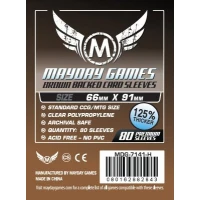
2x
(100 PC)

2x
(100 PC)
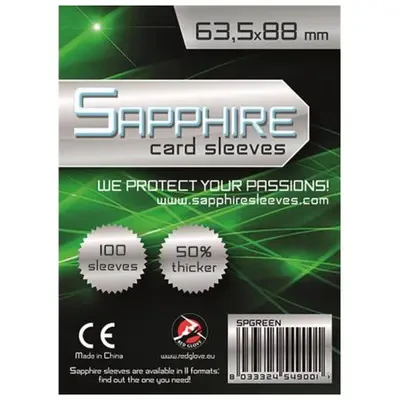
3x
(50 PC)
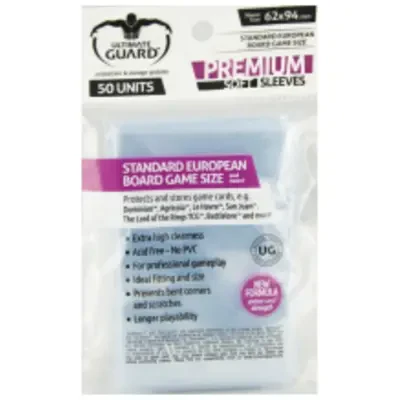
2x
(100 PC)

2x
(100 PC)

2x
(60 PC)
1x
(110 PC)
3x
(50 PC)
3x
(50 PC)

2x
(75 PC)
3x
(50 PC)
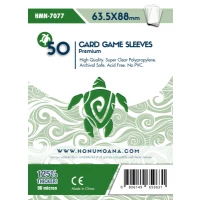
2x
(75 PC)
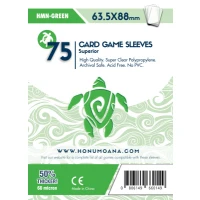
2x
(100 PC)
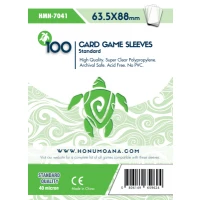
2x
(100 PC)

1x
(110 PC)
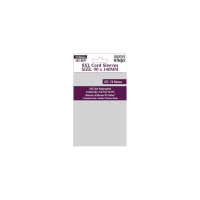
2x
(60 PC)
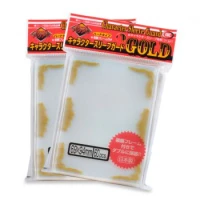
2x
(80 PC)

3x
(50 PC)
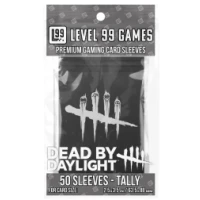
1x
(250 PC)
2x
(100 PC)
2x
(100 PC)

2x
(100 PC)

2x
(100 PC)

2x
(60 PC)
3x
(50 PC)

3x
(50 PC)
2x
(100 PC)
2x
(55 PC)
2x
(55 PC)
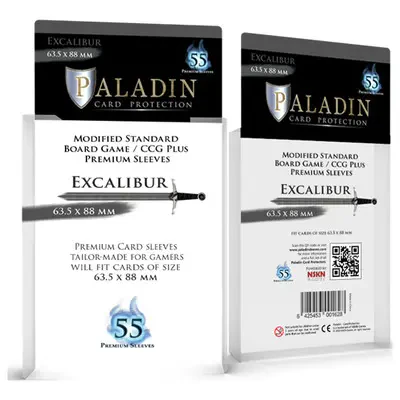
2x
(105 PC)

2x
(105 PC)

2x
(100 PC)
2x
(100 PC)
2x
(100 PC)
2x
(100 PC)

2x
(60 PC)
2x
(100 PC)

2x
(100 PC)
2x
(100 PC)
 Descripción
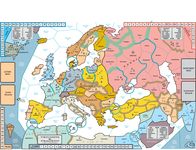
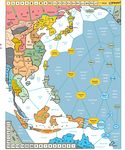
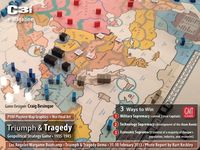
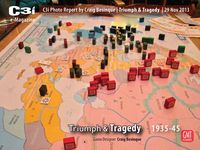
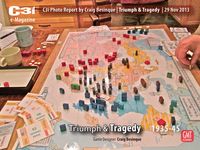
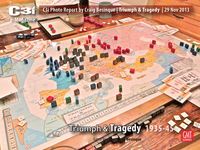
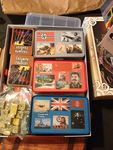
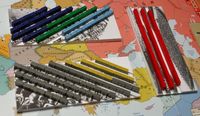
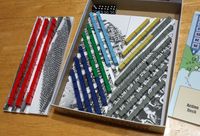
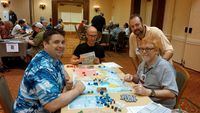
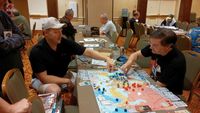
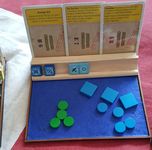
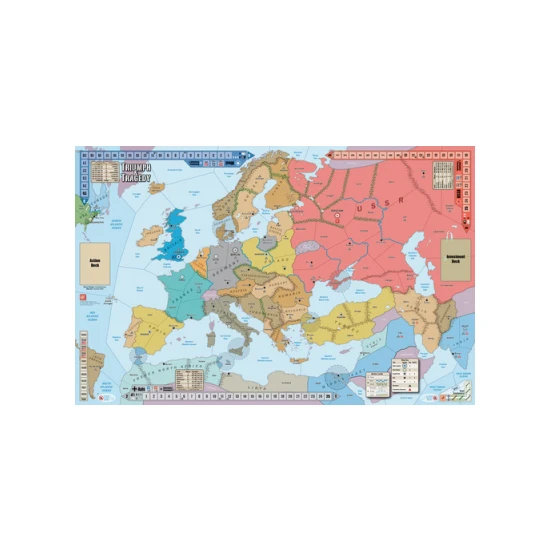
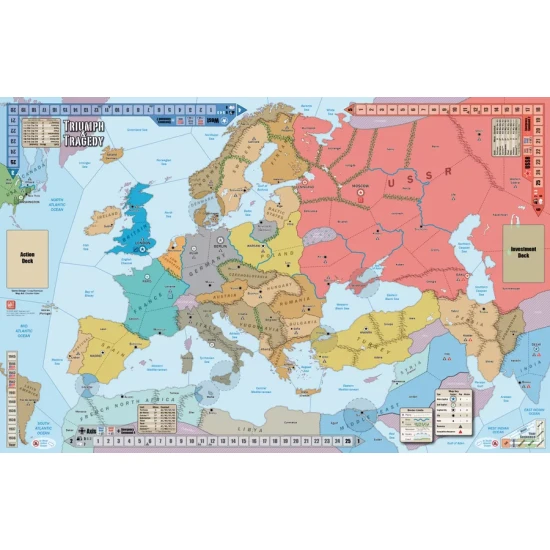
Triumph and Tragedy es un juego de estrategia geopolítica para 3 jugadores (también jugable por 2) que cubre la competencia por la supremacía europea durante el período 1935-45 entre el capitalismo (Occidente), el comunismo (la Unión Soviética) y el fascismo (el Eje). Tiene componentes diplomáticos, económicos, tecnológicos y militares, y se puede ganar obteniendo hegemonía económica o supremacía tecnológica (bomba atómica), o venciendo a un rival militarmente. El mapa de área de 22 x 34 cubre Eurasia hasta India y los Urales, con las Américas y el imperio británico oriental representados de manera abstracta. Las unidades militares son bloques de 1/2, de 7 tipos (Infantería/Carro/Fortaleza/Aeronaval/Transportador/Flota/Submarino), en 6 colores diferentes (Alemania/Italia/Rusia/Reino Unido/Francia/EE. UU.). La mezcla de aproximadamente 200 bloques permite una gran flexibilidad en la composición de fuerzas. Hay un mazo de Acción de 55 cartas y un mazo de Inversión de 55 cartas, más 30 fichas de Dividendo de Paz y 50 marcadores de varios tipos. El juego comienza en 1935, con las 3 Grandes Potencias prácticamente desarmadas: Alemania ha repudiado el Tratado de Paz de Versalles, iniciando una carrera armamentista en Europa. Con bloques, la naturaleza de los acumulados militares permanece desconocida para los rivales hasta que estalla un conflicto militar. El juego puede terminar pacíficamente o puede haber guerra. Hay sanciones de juego por atacar a menores neutrales o declarar la guerra a un oponente, y recompensas por permanecer en paz (recibes una ficha de Dividendo de Paz de valor 0-2 por cada año que permanezcas en paz). Puedes ganar pacíficamente por: Hegemonía Económica (el total de Producción + valores secretos de Dividendo de Paz es el mayor en 1945, o alcanza 25 en cualquier momento) O Supremacía Tecnológica (construir la bomba atómica que toma 4 etapas). Si hay guerra, aún puedes ganar por cualquiera de los métodos anteriores, o por: Victoria Militar (captura de DOS capitales enemigas, cada Gran Potencia tiene 2). La producción económica subyace a todas las formas de poder en el juego. La producción es el MENOR de la Población controlada (ciudades), Recursos controlados e Industria (que comienza baja y puede ser aumentada con cartas de Inversión). Las potencias pueden gastar su Producción económica actual en: unidades militares (nuevas unidades de 1 paso o pasos adicionales en unidades existentes), O cartas de Acción, que tienen valores Diplomáticos (para obtener Población y Recursos sin conflicto) y un valor de Comando (para mover unidades militares), O cartas de Inversión, que tienen valores Tecnológicos (para mejorar las habilidades de las unidades) y un valor de Fábrica (la única forma de aumentar los niveles de Industria). Construir un paso de unidad o comprar una carta cuesta 1 Producción. Simple. No puedes inspeccionar las cartas compradas hasta después de haber gastado toda la Producción. Inicialmente, la economía del Eje está limitada por Población/Recursos, pero está por delante en Industria [bélica], mientras que Occidente y Rusia están limitados en Industria, con imperios adecuados de Población y Recursos. Limitar las economías rivales negando Población/Recursos es una forma clave de competencia. En tiempos de paz, esto se hace principalmente a través de la Diplomacia, comprometiendo cartas de Acción para obtener el control de naciones menores y su Población/Recursos, o para negar o reducir el control rival sobre ellas. En guerra, esto se puede hacer de manera más directa mediante la conquista militar en tierra, el bloqueo naval/submarino de las rutas comerciales en el mar y el bombardeo estratégico de la industria enemiga por parte de las fuerzas aéreas. La fase temprana del juego tiende a girar en torno a: luchas diplomáticas (utilizando cartas de Acción), para obtener naciones menores (Checoslovaquia, Rumania, etc.) por su Población y Recursos. y acumulación industrial (a través de cartas de Inversión), con acumulaciones militares (con la naturaleza de las fuerzas en construcción siendo desconocida para los oponentes) y algunos avances tecnológicos (también a través de cartas de Inversión), y algunos movimientos militares (utilizando cartas de Acción para el Comando), que pueden incluir la violación (ataque) de menores neutrales para obtener Población/Recursos cuando la Diplomacia falla. Si el juego continúa pacíficamente debido a defensas impuestas o inclinación de los jugadores, la presión aumenta a medida que los jugadores se acercan a una Producción de 20, ya que las fichas secretas de Dividendo de Paz pueden llevar a alguien más allá del umbral de Victoria de 25. O los jugadores pueden tener éxito en desarrollar la bomba atómica y robar una victoria de esa manera. En algún momento, sin embargo, una Potencia (viendo una oportunidad o necesidad) puede declarar la guerra a otra. La víctima obtiene beneficios económicos inmediatos en reacción, pero la realidad militar pasa al primer plano a partir de este momento. La tercera parte puede continuar su desarrollo económico en paz. O no. El movimiento de unidades se realiza mediante carta de Comando, que especifica una letra de Prioridad de Comando que determina el orden de movimiento/combate y un número de Valor de Comando que determina el número máximo de unidades que se pueden mover. Las cartas de Comando solo son válidas durante una temporada específica (Primavera/Verano/Otoño), por lo que es necesaria una variedad de cartas de Comando en la mano para que una Potencia pueda moverse en cada Temporada. Pero los tamaños de mano son limitados, por lo que cada jugador debe equilibrar las demandas competitivas de recursos de cartas con la seguridad militar. El combate ocurre cuando unidades rivales ocupan la misma área, y se ejecuta por unidades disparando en orden por Tipo (los defensores disparan primero entre tipos iguales), lanzando dados para los impactos. Las unidades tienen diferentes Potencias de Fuego (valores de impacto) dependiendo de la Clase de unidad que están atacando (tierra, naval, aire, submarino). El combate terrestre es un round por Temporada mientras que las batallas navales se luchan hasta la conclusión. Las unidades sin una línea de suministro pierden 1 paso por Temporada y no pueden construir (excepto las unidades Fortaleza que son inmunes a ambos efectos pero no pueden moverse). Triumph and Tragedy es un verdadero juego a 3 lados: no hay requisito de que Occidente y Rusia estén del mismo lado (y de hecho hay razones válidas para atacarse mutuamente), y solo UN jugador puede ganar el juego. La conversación en la mesa está permitida (y alentada) pero los acuerdos no son exigibles. Las alianzas son cambiantes y la cooperación es poco confiable. El juego puede continuar como una batalla económica de desgaste o una explosión militar repentina puede cambiarlo todo. Hay una inmensa rejugabilidad ya que los jugadores pueden perseguir el dominio en Europa a través de la superioridad militar terrestre, naval o aérea, la supremacía tecnológica o la hegemonía económica sin que los rivales se den cuenta de su estrategia hasta que sea DEMASIADO TARDE. Es un juego altamente interactivo, tenso, rápido, con poco tiempo muerto entre los turnos de los jugadores, que cubre la década geopolítica crucial del siglo XX en 4-6 horas. Componentes: • mapa de área de 22x34" • Aproximadamente 200 bloques de 5/8" : • hoja de etiquetas (+/- 200 etiquetas de 1/2") • 100 marcadores de corte doble de 5/8" • mazo de Acción de 55 cartas • mazo de Inversión de 55 cartas • libro de reglas de 16 páginas • libro de juego de 16 páginas • 4 dados
 Información adicional
| mecanica: | Área de control/área de influencia Movimiento de área Manejo de manos Despliegue de unidades secretas |
| Categorías: | Económico Político/Negociación Político/Negociación Exploración guerra guerra |
| Nombres alternativos: | |
| BARCODE: | 817054010851 |
| El artículo está en 2 carritos En 24 listas de deseos En colecciones 3 Esto fue visto 12091 veces | |
Descripción
Triumph and Tragedy es un juego de estrategia geopolítica para 3 jugadores (también jugable por 2) que cubre la competencia por la supremacía europea durante el período 1935-45 entre el capitalismo (Occidente), el comunismo (la Unión Soviética) y el fascismo (el Eje). Tiene componentes diplomáticos, económicos, tecnológicos y militares, y se puede ganar obteniendo hegemonía económica o supremacía tecnológica (bomba atómica), o venciendo a un rival militarmente. El mapa de área de 22 x 34 cubre Eurasia hasta India y los Urales, con las Américas y el imperio británico oriental representados de manera abstracta. Las unidades militares son bloques de 1/2, de 7 tipos (Infantería/Carro/Fortaleza/Aeronaval/Transportador/Flota/Submarino), en 6 colores diferentes (Alemania/Italia/Rusia/Reino Unido/Francia/EE. UU.). La mezcla de aproximadamente 200 bloques permite una gran flexibilidad en la composición de fuerzas. Hay un mazo de Acción de 55 cartas y un mazo de Inversión de 55 cartas, más 30 fichas de Dividendo de Paz y 50 marcadores de varios tipos. El juego comienza en 1935, con las 3 Grandes Potencias prácticamente desarmadas: Alemania ha repudiado el Tratado de Paz de Versalles, iniciando una carrera armamentista en Europa. Con bloques, la naturaleza de los acumulados militares permanece desconocida para los rivales hasta que estalla un conflicto militar. El juego puede terminar pacíficamente o puede haber guerra. Hay sanciones de juego por atacar a menores neutrales o declarar la guerra a un oponente, y recompensas por permanecer en paz (recibes una ficha de Dividendo de Paz de valor 0-2 por cada año que permanezcas en paz). Puedes ganar pacíficamente por: Hegemonía Económica (el total de Producción + valores secretos de Dividendo de Paz es el mayor en 1945, o alcanza 25 en cualquier momento) O Supremacía Tecnológica (construir la bomba atómica que toma 4 etapas). Si hay guerra, aún puedes ganar por cualquiera de los métodos anteriores, o por: Victoria Militar (captura de DOS capitales enemigas, cada Gran Potencia tiene 2). La producción económica subyace a todas las formas de poder en el juego. La producción es el MENOR de la Población controlada (ciudades), Recursos controlados e Industria (que comienza baja y puede ser aumentada con cartas de Inversión). Las potencias pueden gastar su Producción económica actual en: unidades militares (nuevas unidades de 1 paso o pasos adicionales en unidades existentes), O cartas de Acción, que tienen valores Diplomáticos (para obtener Población y Recursos sin conflicto) y un valor de Comando (para mover unidades militares), O cartas de Inversión, que tienen valores Tecnológicos (para mejorar las habilidades de las unidades) y un valor de Fábrica (la única forma de aumentar los niveles de Industria). Construir un paso de unidad o comprar una carta cuesta 1 Producción. Simple. No puedes inspeccionar las cartas compradas hasta después de haber gastado toda la Producción. Inicialmente, la economía del Eje está limitada por Población/Recursos, pero está por delante en Industria [bélica], mientras que Occidente y Rusia están limitados en Industria, con imperios adecuados de Población y Recursos. Limitar las economías rivales negando Población/Recursos es una forma clave de competencia. En tiempos de paz, esto se hace principalmente a través de la Diplomacia, comprometiendo cartas de Acción para obtener el control de naciones menores y su Población/Recursos, o para negar o reducir el control rival sobre ellas. En guerra, esto se puede hacer de manera más directa mediante la conquista militar en tierra, el bloqueo naval/submarino de las rutas comerciales en el mar y el bombardeo estratégico de la industria enemiga por parte de las fuerzas aéreas. La fase temprana del juego tiende a girar en torno a: luchas diplomáticas (utilizando cartas de Acción), para obtener naciones menores (Checoslovaquia, Rumania, etc.) por su Población y Recursos. y acumulación industrial (a través de cartas de Inversión), con acumulaciones militares (con la naturaleza de las fuerzas en construcción siendo desconocida para los oponentes) y algunos avances tecnológicos (también a través de cartas de Inversión), y algunos movimientos militares (utilizando cartas de Acción para el Comando), que pueden incluir la violación (ataque) de menores neutrales para obtener Población/Recursos cuando la Diplomacia falla. Si el juego continúa pacíficamente debido a defensas impuestas o inclinación de los jugadores, la presión aumenta a medida que los jugadores se acercan a una Producción de 20, ya que las fichas secretas de Dividendo de Paz pueden llevar a alguien más allá del umbral de Victoria de 25. O los jugadores pueden tener éxito en desarrollar la bomba atómica y robar una victoria de esa manera. En algún momento, sin embargo, una Potencia (viendo una oportunidad o necesidad) puede declarar la guerra a otra. La víctima obtiene beneficios económicos inmediatos en reacción, pero la realidad militar pasa al primer plano a partir de este momento. La tercera parte puede continuar su desarrollo económico en paz. O no. El movimiento de unidades se realiza mediante carta de Comando, que especifica una letra de Prioridad de Comando que determina el orden de movimiento/combate y un número de Valor de Comando que determina el número máximo de unidades que se pueden mover. Las cartas de Comando solo son válidas durante una temporada específica (Primavera/Verano/Otoño), por lo que es necesaria una variedad de cartas de Comando en la mano para que una Potencia pueda moverse en cada Temporada. Pero los tamaños de mano son limitados, por lo que cada jugador debe equilibrar las demandas competitivas de recursos de cartas con la seguridad militar. El combate ocurre cuando unidades rivales ocupan la misma área, y se ejecuta por unidades disparando en orden por Tipo (los defensores disparan primero entre tipos iguales), lanzando dados para los impactos. Las unidades tienen diferentes Potencias de Fuego (valores de impacto) dependiendo de la Clase de unidad que están atacando (tierra, naval, aire, submarino). El combate terrestre es un round por Temporada mientras que las batallas navales se luchan hasta la conclusión. Las unidades sin una línea de suministro pierden 1 paso por Temporada y no pueden construir (excepto las unidades Fortaleza que son inmunes a ambos efectos pero no pueden moverse). Triumph and Tragedy es un verdadero juego a 3 lados: no hay requisito de que Occidente y Rusia estén del mismo lado (y de hecho hay razones válidas para atacarse mutuamente), y solo UN jugador puede ganar el juego. La conversación en la mesa está permitida (y alentada) pero los acuerdos no son exigibles. Las alianzas son cambiantes y la cooperación es poco confiable. El juego puede continuar como una batalla económica de desgaste o una explosión militar repentina puede cambiarlo todo. Hay una inmensa rejugabilidad ya que los jugadores pueden perseguir el dominio en Europa a través de la superioridad militar terrestre, naval o aérea, la supremacía tecnológica o la hegemonía económica sin que los rivales se den cuenta de su estrategia hasta que sea DEMASIADO TARDE. Es un juego altamente interactivo, tenso, rápido, con poco tiempo muerto entre los turnos de los jugadores, que cubre la década geopolítica crucial del siglo XX en 4-6 horas. Componentes: • mapa de área de 22x34" • Aproximadamente 200 bloques de 5/8" : • hoja de etiquetas (+/- 200 etiquetas de 1/2") • 100 marcadores de corte doble de 5/8" • mazo de Acción de 55 cartas • mazo de Inversión de 55 cartas • libro de reglas de 16 páginas • libro de juego de 16 páginas • 4 dados
Fundas de cartas en este juego.
110 tarjetas de 63.5mm de ancho y 88.0mm de alto
2x
(100 PC)
2x
(100 PC)
3x
(50 PC)
2x
(100 PC)
2x
(100 PC)
2x
(100 PC)
3x
(50 PC)
2x
(100 PC)
2x
(100 PC)
2x
(80 PC)
2x
(80 PC)
2x
(100 PC)
2x
(100 PC)
3x
(50 PC)
2x
(100 PC)
2x
(100 PC)
2x
(60 PC)
1x
(110 PC)
3x
(50 PC)
3x
(50 PC)
2x
(75 PC)
3x
(50 PC)
2x
(75 PC)
2x
(100 PC)
2x
(100 PC)
1x
(110 PC)
2x
(60 PC)
2x
(80 PC)
3x
(50 PC)
1x
(250 PC)
2x
(100 PC)
2x
(100 PC)
2x
(100 PC)
2x
(100 PC)
2x
(60 PC)
3x
(50 PC)
3x
(50 PC)
2x
(100 PC)
2x
(55 PC)
2x
(55 PC)
2x
(105 PC)
2x
(105 PC)
2x
(100 PC)
2x
(100 PC)
2x
(100 PC)
2x
(100 PC)
2x
(60 PC)
2x
(100 PC)
2x
(100 PC)
2x
(100 PC)
Información adicional
| mecanica: | Área de control/área de influencia Movimiento de área Manejo de manos Despliegue de unidades secretas |
| Categorías: | Económico Político/Negociación Político/Negociación Exploración guerra guerra |
| Nombres alternativos: | |
| BARCODE: | 817054010851 |
| El artículo está en 2 carritos En 24 listas de deseos En colecciones 3 Esto fue visto 12091 veces | |
 Expansiones
 Comprados juntos con frecuencia


 Otras versiones
Lo que dicen los jugadores
Con cuántos jugadores funciona mejor · 91 votos en BoardGameGeek
- 1 0 0 lo consideran el mejor, 9 lo recomiendan, 45 lo desaconsejan
- 2 5 5 lo consideran el mejor, 15 lo recomiendan, 38 lo desaconsejan
- 3 82 82 lo consideran el mejor, 3 lo recomiendan, 2 lo desaconsejan
- 3+ 1 1 lo consideran el mejor, 1 lo recomiendan, 39 lo desaconsejan
El mejor Sugerido No recomendado
Valoraciones de usuarios uplay: Aún no hay reseñas uplay. ¡Sé el primero!
Tu reseña
Los comentarios se moderan antes de publicarse: sin enlaces, insultos ni contenido ajeno al producto. Se aceptan opiniones negativas respetuosas.
Inicia sesión para reseñar
¡PRECAUCIÓN! No apto para niños menores de 3 años. Contiene piezas pequeñas que podrían tragarse o inhalarse.