








Langue:
Français
Anglais
Allemand
Néerlandais





|
|
|
|
Idéal à 4 joueurs
29 votes sur 67
Âge conseillé par les joueurs : 12+
7 votes sur 10
2-4
75'
12
No es necesario texto en el juego.
|
Gentes
Éditeur: Tasty Minstrel Games
 Voulez-vous vendre votre copie de ce jeu ?

Utilisez notre marché utrade !
Gentes
Contactez-nous
Partager sur
L'article n'est pas disponible, vous pouvez utiliser l'alerte pour être averti lorsqu'il sera de nouveau en stock.
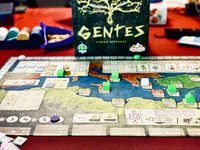
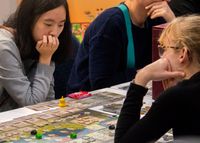
PHOTOS SUR BGG
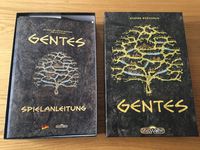
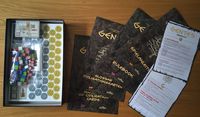
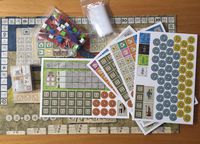
Ces photos sont la propriété de boardgamegeek.com et ne font pas spécifiquement référence à l'édition présentée sur cette page.



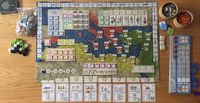
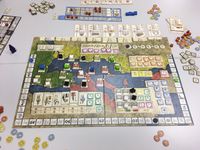
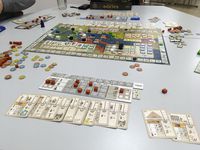
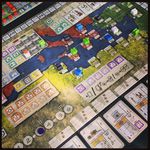
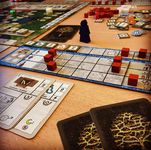
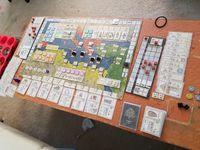

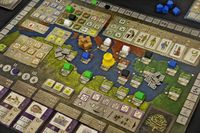
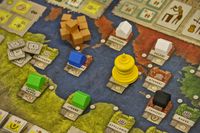
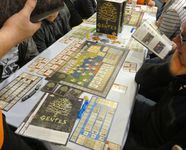
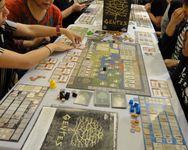
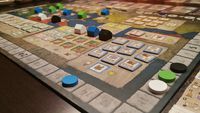
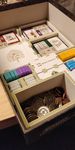

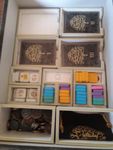
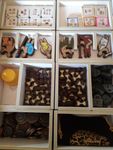
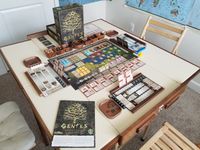
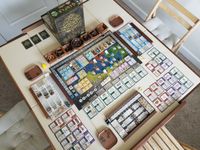
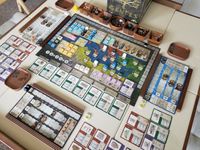
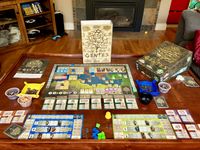
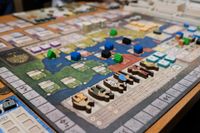
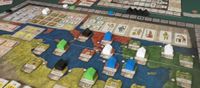
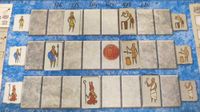
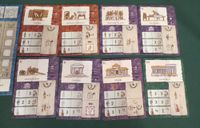
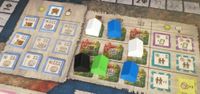
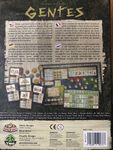
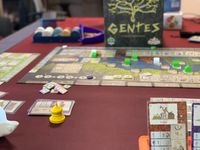
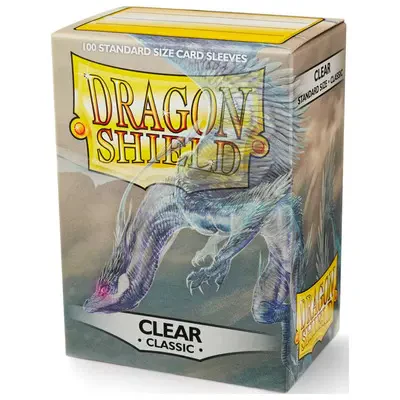
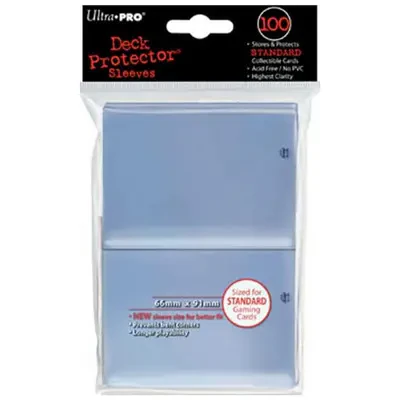
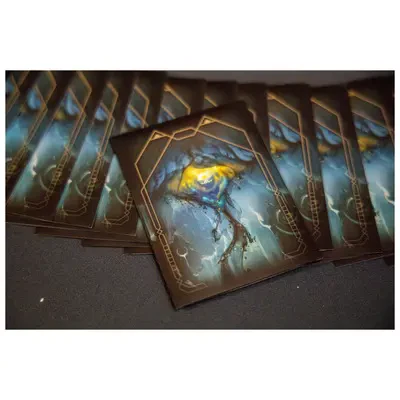
 Pochettes de cartes dans ce jeu
54 cartes de 63.5mm de largeur et 88.0mm de hauteur
1x
(100 Pièces)

1x
(100 Pièces)

2x
(50 Pièces)

1x
(100 Pièces)

1x
(100 Pièces)
1x
(100 Pièces)

2x
(50 Pièces)

1x
(100 Pièces)

1x
(100 Pièces)
1x
(80 Pièces)

1x
(80 Pièces)

1x
(100 Pièces)

1x
(100 Pièces)

2x
(50 Pièces)
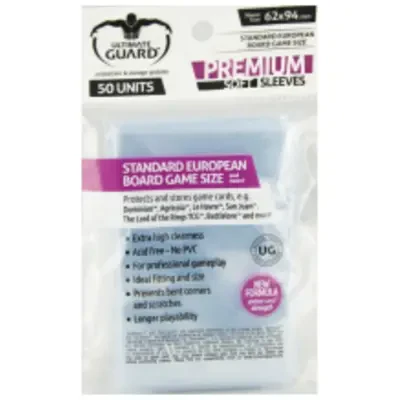
1x
(100 Pièces)

1x
(100 Pièces)

1x
(60 Pièces)
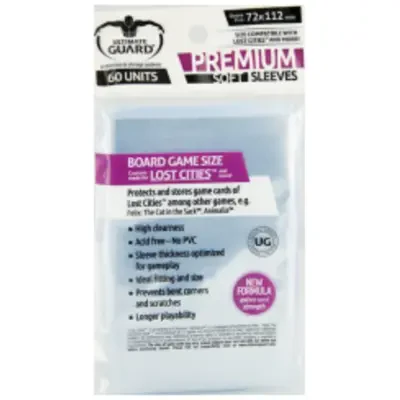
1x
(110 Pièces)

2x
(50 Pièces)
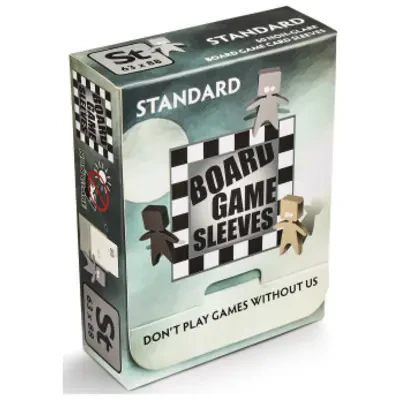
2x
(50 Pièces)

1x
(75 Pièces)

2x
(50 Pièces)

1x
(75 Pièces)

1x
(100 Pièces)

1x
(100 Pièces)

1x
(110 Pièces)

1x
(60 Pièces)
1x
(80 Pièces)

2x
(50 Pièces)

1x
(250 Pièces)
1x
(100 Pièces)

1x
(100 Pièces)

1x
(100 Pièces)

1x
(100 Pièces)

1x
(60 Pièces)

2x
(50 Pièces)

2x
(50 Pièces)

1x
(100 Pièces)

1x
(55 Pièces)
1x
(55 Pièces)
1x
(105 Pièces)

1x
(100 Pièces)
1x
(100 Pièces)

1x
(100 Pièces)
1x
(100 Pièces)

1x
(60 Pièces)

1x
(100 Pièces)

1x
(100 Pièces)

1x
(100 Pièces)

 Descriptif
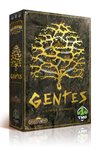
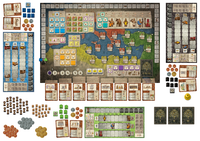
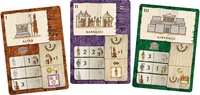
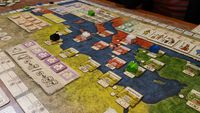
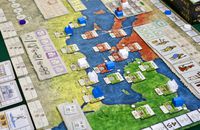
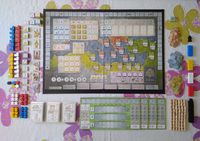
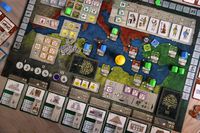
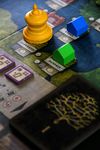
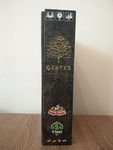
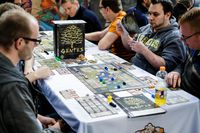
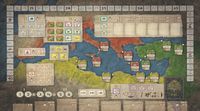
Gentes est un jeu de civilisation intéressant avec un mécanisme de timing innovant. "Gentes" est le mot latin au pluriel pour des groupes humains plus importants (par exemple, tribus, nations, peuples ; singulier : "gens"). Dans ce jeu, les joueurs prennent le rôle d'un peuple ancien qui tente de se développer en construisant des monuments et en colonisant ou fondant de nouvelles villes dans la mer Méditerranée. Le jeu se joue en six tours, chacun consistant en trois phases : préparation, actions et rangement. Il y a trois époques — tours 1-2, 3-4, 5-6 — avec de nouvelles cartes de monuments entrant dans le jeu au début des tours 1, 3 et 5. Chaque joueur a une carte personnelle avec une piste de temps pour les marqueurs d'action et les marqueurs de sablier. Dans la phase d'action d'un tour, les joueurs prennent leurs tours dans le sens des aiguilles d'une montre, effectuant une action par tour. Chaque action nécessite un marqueur d'action du plateau principal qui est placé sur la piste de temps. En fonction des informations sur le marqueur d'action, vous devez également payer de l'argent ou prendre des sabliers qui sont placés sur la piste de temps. Lorsque vous n'avez plus d'espaces libres sur votre piste de temps, vous devez passer pour le reste du tour. Par conséquent, le nombre d'actions par joueur dans un seul tour peut varier considérablement si, par exemple, vous choisissez des sabliers doubles au lieu de deux simples ou prenez des marqueurs d'action qui nécessitent plus d'argent mais moins de sabliers. Les sabliers simples sont abandonnés lors de la phase de rangement, tandis que les sabliers doubles sont retournés pour devenir des marqueurs de sablier simple et restent pour un autre tour. Les actions sont : Acheter de nouvelles cartes dans l'affichage commun, Construire des monuments (jouer des cartes de votre main sur votre affichage personnel pour des points de victoire et de nouvelles options), Éduquer votre peuple, Construire/fonder des villes, Prendre de l'argent. Pour jouer une carte, vous devez répondre aux exigences imprimées sur cette carte, telles que posséder des personnes spécifiques sur votre tableau personnel (par exemple, deux prêtres et quatre soldats). Ces exigences sont la raison pour laquelle l'éducation — c'est-à-dire obtenir des personnes spécifiques — est importante, mais ce n'est pas si facile car il y a six types différents de personnes — trois à gauche et trois à droite de votre tableau personnel — et vous n'avez que six espaces au total pour les deux types dans la même ligne. Si vous avez trois marchands, par exemple, vous déplacez votre marqueur de comptage des marchands de trois espaces vers le côté des soldats et donc vous n'avez que trois espaces restants pour les soldats. En éduquant un quatrième soldat et en déplaçant votre marqueur de soldat vers son quatrième espace, vous perdez automatiquement un marchand car ce marqueur est repoussé à son deuxième espace. Il est crucial de générer des actions supplémentaires en utilisant les fonctions spécifiques des monuments dans votre affichage et des villes que vous avez construites. Les villes sont coûteuses, mais elles créent des avantages à la fin de chaque tour ou offrent de nouvelles options pour effectuer une action sans acquérir de marqueur d'action, ne gagnant qu'un marqueur de sablier à la place. Essayez d'avoir un revenu régulier pour éviter de perdre des actions à prendre de l'argent. Faites attention à l'affichage des cartes communes, qui est nouveau dans chaque jeu, car les cartes de monuments sont mélangées au hasard dans les paquets des époques I, II et III. Collectez des symboles identiques sur les cartes pour bénéficier des points de victoire croissants pour une série de symboles. Construisez des villes pour élargir vos options!
 Informations supplémentaires
| Mécanique: | |
| Catégories: | Historique Civilisation |
| Noms alternatifs: | |
| BARCODE: | 5407004490373 |
| Dans 6 listes de souhaits Cela a été vu 5601 fois | |
Descriptif
Gentes est un jeu de civilisation intéressant avec un mécanisme de timing innovant. "Gentes" est le mot latin au pluriel pour des groupes humains plus importants (par exemple, tribus, nations, peuples ; singulier : "gens"). Dans ce jeu, les joueurs prennent le rôle d'un peuple ancien qui tente de se développer en construisant des monuments et en colonisant ou fondant de nouvelles villes dans la mer Méditerranée. Le jeu se joue en six tours, chacun consistant en trois phases : préparation, actions et rangement. Il y a trois époques — tours 1-2, 3-4, 5-6 — avec de nouvelles cartes de monuments entrant dans le jeu au début des tours 1, 3 et 5. Chaque joueur a une carte personnelle avec une piste de temps pour les marqueurs d'action et les marqueurs de sablier. Dans la phase d'action d'un tour, les joueurs prennent leurs tours dans le sens des aiguilles d'une montre, effectuant une action par tour. Chaque action nécessite un marqueur d'action du plateau principal qui est placé sur la piste de temps. En fonction des informations sur le marqueur d'action, vous devez également payer de l'argent ou prendre des sabliers qui sont placés sur la piste de temps. Lorsque vous n'avez plus d'espaces libres sur votre piste de temps, vous devez passer pour le reste du tour. Par conséquent, le nombre d'actions par joueur dans un seul tour peut varier considérablement si, par exemple, vous choisissez des sabliers doubles au lieu de deux simples ou prenez des marqueurs d'action qui nécessitent plus d'argent mais moins de sabliers. Les sabliers simples sont abandonnés lors de la phase de rangement, tandis que les sabliers doubles sont retournés pour devenir des marqueurs de sablier simple et restent pour un autre tour. Les actions sont : Acheter de nouvelles cartes dans l'affichage commun, Construire des monuments (jouer des cartes de votre main sur votre affichage personnel pour des points de victoire et de nouvelles options), Éduquer votre peuple, Construire/fonder des villes, Prendre de l'argent. Pour jouer une carte, vous devez répondre aux exigences imprimées sur cette carte, telles que posséder des personnes spécifiques sur votre tableau personnel (par exemple, deux prêtres et quatre soldats). Ces exigences sont la raison pour laquelle l'éducation — c'est-à-dire obtenir des personnes spécifiques — est importante, mais ce n'est pas si facile car il y a six types différents de personnes — trois à gauche et trois à droite de votre tableau personnel — et vous n'avez que six espaces au total pour les deux types dans la même ligne. Si vous avez trois marchands, par exemple, vous déplacez votre marqueur de comptage des marchands de trois espaces vers le côté des soldats et donc vous n'avez que trois espaces restants pour les soldats. En éduquant un quatrième soldat et en déplaçant votre marqueur de soldat vers son quatrième espace, vous perdez automatiquement un marchand car ce marqueur est repoussé à son deuxième espace. Il est crucial de générer des actions supplémentaires en utilisant les fonctions spécifiques des monuments dans votre affichage et des villes que vous avez construites. Les villes sont coûteuses, mais elles créent des avantages à la fin de chaque tour ou offrent de nouvelles options pour effectuer une action sans acquérir de marqueur d'action, ne gagnant qu'un marqueur de sablier à la place. Essayez d'avoir un revenu régulier pour éviter de perdre des actions à prendre de l'argent. Faites attention à l'affichage des cartes communes, qui est nouveau dans chaque jeu, car les cartes de monuments sont mélangées au hasard dans les paquets des époques I, II et III. Collectez des symboles identiques sur les cartes pour bénéficier des points de victoire croissants pour une série de symboles. Construisez des villes pour élargir vos options!
Pochettes de cartes dans ce jeu
54 cartes de 63.5mm de largeur et 88.0mm de hauteur
1x
(100 Pièces)
1x
(100 Pièces)
2x
(50 Pièces)
1x
(100 Pièces)
1x
(100 Pièces)
1x
(100 Pièces)
2x
(50 Pièces)
1x
(100 Pièces)
1x
(100 Pièces)
1x
(80 Pièces)
1x
(80 Pièces)
1x
(100 Pièces)
1x
(100 Pièces)
2x
(50 Pièces)
1x
(100 Pièces)
1x
(100 Pièces)
1x
(60 Pièces)
1x
(110 Pièces)
2x
(50 Pièces)
2x
(50 Pièces)
1x
(75 Pièces)
2x
(50 Pièces)
1x
(75 Pièces)
1x
(100 Pièces)
1x
(100 Pièces)
1x
(110 Pièces)
1x
(60 Pièces)
1x
(80 Pièces)
2x
(50 Pièces)
1x
(250 Pièces)
1x
(100 Pièces)
1x
(100 Pièces)
1x
(100 Pièces)
1x
(100 Pièces)
1x
(60 Pièces)
2x
(50 Pièces)
2x
(50 Pièces)
1x
(100 Pièces)
1x
(55 Pièces)
1x
(55 Pièces)
1x
(105 Pièces)
1x
(100 Pièces)
1x
(100 Pièces)
1x
(100 Pièces)
1x
(100 Pièces)
1x
(60 Pièces)
1x
(100 Pièces)
1x
(100 Pièces)
1x
(100 Pièces)
Informations supplémentaires
| Mécanique: | |
| Catégories: | Historique Civilisation |
| Noms alternatifs: | |
| BARCODE: | 5407004490373 |
| Dans 6 listes de souhaits Cela a été vu 5601 fois | |





Ce que disent les joueurs · données et avis publiés par les utilisateurs de BoardGameGeek
À combien de joueurs il est le meilleur · 67 votes sur BoardGameGeek
- 1 1 1 le trouvent idéal, 9 le recommandent, 20 le déconseillent
- 2 9 9 le trouvent idéal, 35 le recommandent, 9 le déconseillent
- 3 16 16 le trouvent idéal, 27 le recommandent, 1 le déconseillent
- 4 29 29 le trouvent idéal, 20 le recommandent, 0 le déconseillent
- 4+ 0 0 le trouvent idéal, 0 le recommandent, 18 le déconseillent
Idéal Conseillé Déconseillé
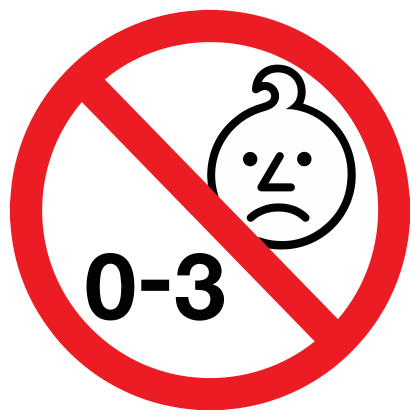
ATTENTION ! Ne convient pas aux enfants de moins de 3 ans. Il contient de petites pièces qui pourraient être avalées ou inhalées.