








Langue:
Italien
Anglais


|
|
|
|
Idéal à 4 joueurs
9 votes sur 10
Âge conseillé par les joueurs : 12+
4 votes sur 4
2-4
90'
12
Kein notwendiger Text im Spiel
|
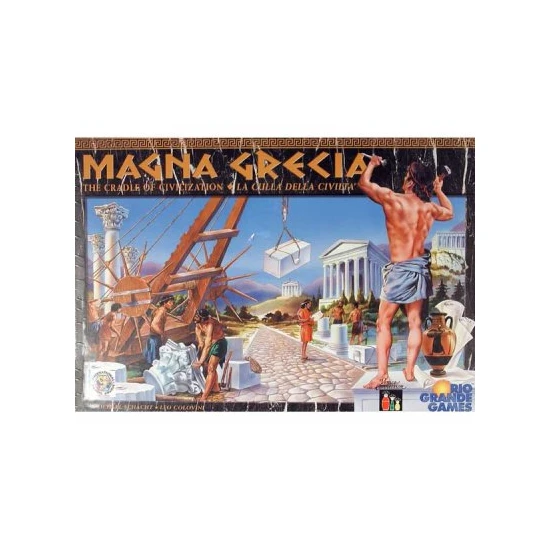
Magna Grecia
Éditeur: Venice Connection
 Voulez-vous vendre votre copie de ce jeu ?

Utilisez notre marché utrade !
Magna Grecia
Contactez-nous
Partager sur
L'article n'est pas disponible, vous pouvez utiliser l'alerte pour être averti lorsqu'il sera de nouveau en stock.
PHOTOS SUR BGG
Ces photos sont la propriété de boardgamegeek.com et ne font pas spécifiquement référence à l'édition présentée sur cette page.




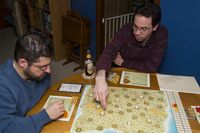


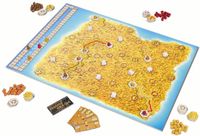
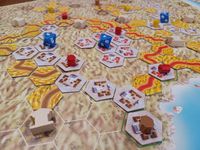


 Descriptif
Magna Grecia (Le berceau de la civilisation) est l'attraction principale de l'année avec Clementoni. Le jeu est une collaboration entre Leo Colovini et Michael Schacht. La région du sud de l'Italie était appelée Magna Grecia et a été colonisée il y a 2 500 ans par des marchands et aventuriers grecs. Avant l'arrivée des Grecs, le pays était habité par seulement quelques petites tribus. Un sol fertile, des rivières navigables, de grandes forêts et des mines de bronze et d'argent offraient d'énormes possibilités de développement. De plus grandes villes se sont développées, telles que Tarente, Syracuse, Catane, Locri et Naxos. En outre, il y avait de nombreux villages dont aucune trace ne reste. Un système routier local a favorisé le commerce, et des marchés riches se sont développés dans les villes. De plus en plus de rivalités entre les villes sont apparues, notamment pour le contrôle de l'Oracle, qui représentait une source importante de renommée et de richesse.
Matériel suffisant pour une soirée de jeu. Chaque joueur doit réussir à s'installer et à développer Magna Grecia. À des points favorables, des marchés sont construits, des villages sont développés en villes et interconnectés par un système routier. Ce n'est qu'ainsi que l'intérieur peut être ouvert et l'Oracle contrôlé. Construire sa propre grande ville est souvent très coûteux, et il est parfois plus intéressant de construire dans les villages neutres ou les villes des adversaires.
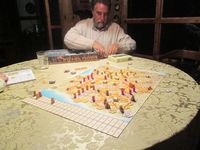
Le plateau est recouvert d'une grille hexagonale sur laquelle des morceaux de route, des villes ou des marchés sont placés. Une partie dure 12 tours. Chaque tour est déterminée par une carte d'action, qui est mise en place au début de la partie selon un certain schéma. La carte spécifie la séquence des joueurs et indique dans quelle mesure les trois actions de base (construction de routes, construction de villes et approvisionnement) peuvent être utilisées. Il y a aussi, bien sûr, certaines règles de construction à prendre en compte. De plus, des marchés peuvent être établis, dont la valeur dépend du nombre de lieux connectés. L'Oracle est affiché sur le plateau. Pour contrôler l'Oracle, un joueur doit connecter l'une de ses propres villes à celui-ci par la route. Mais si plusieurs villes sont connectées à un Oracle, la ville la plus importante prend le pas, déterminée par le nombre de lieux connectés à la ville (sans inclure les Oracles). Les marchés et l'Oracle déterminent quand le jeu se termine.
Matériel suffisant pour une soirée de jeu. Chaque joueur doit réussir à s'installer et à développer Magna Grecia. À des points favorables, des marchés sont construits, des villages sont développés en villes et interconnectés par un système routier. Ce n'est qu'ainsi que l'intérieur peut être ouvert et l'Oracle contrôlé. Construire sa propre grande ville est souvent très coûteux, et il est parfois plus intéressant de construire dans les villages neutres ou les villes des adversaires.
Le plateau est recouvert d'une grille hexagonale sur laquelle des morceaux de route, des villes ou des marchés sont placés. Une partie dure 12 tours. Chaque tour est déterminée par une carte d'action, qui est mise en place au début de la partie selon un certain schéma. La carte spécifie la séquence des joueurs et indique dans quelle mesure les trois actions de base (construction de routes, construction de villes et approvisionnement) peuvent être utilisées. Il y a aussi, bien sûr, certaines règles de construction à prendre en compte. De plus, des marchés peuvent être établis, dont la valeur dépend du nombre de lieux connectés. L'Oracle est affiché sur le plateau. Pour contrôler l'Oracle, un joueur doit connecter l'une de ses propres villes à celui-ci par la route. Mais si plusieurs villes sont connectées à un Oracle, la ville la plus importante prend le pas, déterminée par le nombre de lieux connectés à la ville (sans inclure les Oracles). Les marchés et l'Oracle déterminent quand le jeu se termine.
 Informations supplémentaires
| Mécanique: | Création d'itinéraires/réseaux Placement des tuiles |
| Catégories: | Exploration Historique |
| Noms alternatifs: | |
| BARCODE: | 655132002196 |
| Dans 6 listes de souhaits Dans les collections 9 Cela a été vu 22718 fois | |
Descriptif
Magna Grecia (Le berceau de la civilisation) est l'attraction principale de l'année avec Clementoni. Le jeu est une collaboration entre Leo Colovini et Michael Schacht. La région du sud de l'Italie était appelée Magna Grecia et a été colonisée il y a 2 500 ans par des marchands et aventuriers grecs. Avant l'arrivée des Grecs, le pays était habité par seulement quelques petites tribus. Un sol fertile, des rivières navigables, de grandes forêts et des mines de bronze et d'argent offraient d'énormes possibilités de développement. De plus grandes villes se sont développées, telles que Tarente, Syracuse, Catane, Locri et Naxos. En outre, il y avait de nombreux villages dont aucune trace ne reste. Un système routier local a favorisé le commerce, et des marchés riches se sont développés dans les villes. De plus en plus de rivalités entre les villes sont apparues, notamment pour le contrôle de l'Oracle, qui représentait une source importante de renommée et de richesse.
Matériel suffisant pour une soirée de jeu. Chaque joueur doit réussir à s'installer et à développer Magna Grecia. À des points favorables, des marchés sont construits, des villages sont développés en villes et interconnectés par un système routier. Ce n'est qu'ainsi que l'intérieur peut être ouvert et l'Oracle contrôlé. Construire sa propre grande ville est souvent très coûteux, et il est parfois plus intéressant de construire dans les villages neutres ou les villes des adversaires.
Le plateau est recouvert d'une grille hexagonale sur laquelle des morceaux de route, des villes ou des marchés sont placés. Une partie dure 12 tours. Chaque tour est déterminée par une carte d'action, qui est mise en place au début de la partie selon un certain schéma. La carte spécifie la séquence des joueurs et indique dans quelle mesure les trois actions de base (construction de routes, construction de villes et approvisionnement) peuvent être utilisées. Il y a aussi, bien sûr, certaines règles de construction à prendre en compte. De plus, des marchés peuvent être établis, dont la valeur dépend du nombre de lieux connectés. L'Oracle est affiché sur le plateau. Pour contrôler l'Oracle, un joueur doit connecter l'une de ses propres villes à celui-ci par la route. Mais si plusieurs villes sont connectées à un Oracle, la ville la plus importante prend le pas, déterminée par le nombre de lieux connectés à la ville (sans inclure les Oracles). Les marchés et l'Oracle déterminent quand le jeu se termine.
Matériel suffisant pour une soirée de jeu. Chaque joueur doit réussir à s'installer et à développer Magna Grecia. À des points favorables, des marchés sont construits, des villages sont développés en villes et interconnectés par un système routier. Ce n'est qu'ainsi que l'intérieur peut être ouvert et l'Oracle contrôlé. Construire sa propre grande ville est souvent très coûteux, et il est parfois plus intéressant de construire dans les villages neutres ou les villes des adversaires.
Le plateau est recouvert d'une grille hexagonale sur laquelle des morceaux de route, des villes ou des marchés sont placés. Une partie dure 12 tours. Chaque tour est déterminée par une carte d'action, qui est mise en place au début de la partie selon un certain schéma. La carte spécifie la séquence des joueurs et indique dans quelle mesure les trois actions de base (construction de routes, construction de villes et approvisionnement) peuvent être utilisées. Il y a aussi, bien sûr, certaines règles de construction à prendre en compte. De plus, des marchés peuvent être établis, dont la valeur dépend du nombre de lieux connectés. L'Oracle est affiché sur le plateau. Pour contrôler l'Oracle, un joueur doit connecter l'une de ses propres villes à celui-ci par la route. Mais si plusieurs villes sont connectées à un Oracle, la ville la plus importante prend le pas, déterminée par le nombre de lieux connectés à la ville (sans inclure les Oracles). Les marchés et l'Oracle déterminent quand le jeu se termine.
Informations supplémentaires
| Mécanique: | Création d'itinéraires/réseaux Placement des tuiles |
| Catégories: | Exploration Historique |
| Noms alternatifs: | |
| BARCODE: | 655132002196 |
| Dans 6 listes de souhaits Dans les collections 9 Cela a été vu 22718 fois | |
 Fréquemment achetés ensemble

Ce que disent les joueurs
À combien de joueurs il est le meilleur · 10 votes sur BoardGameGeek
- 1 0 0 le trouvent idéal, 0 le recommandent, 6 le déconseillent
- 2 0 0 le trouvent idéal, 7 le recommandent, 1 le déconseillent
- 3 3 3 le trouvent idéal, 7 le recommandent, 0 le déconseillent
- 4 9 9 le trouvent idéal, 1 le recommandent, 0 le déconseillent
- 4+ 0 0 le trouvent idéal, 0 le recommandent, 4 le déconseillent
Idéal Conseillé Déconseillé
Avis des utilisateurs uplay: Aucun avis uplay publié. Soyez le premier !
Votre avis
Les commentaires sont modérés avant publication : pas de liens, insultes ou contenus hors sujet. Les avis négatifs respectueux sont acceptés.
Connectez-vous pour donner votre avis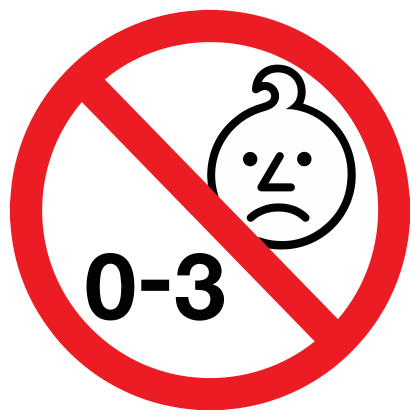
ATTENTION ! Ne convient pas aux enfants de moins de 3 ans. Il contient de petites pièces qui pourraient être avalées ou inhalées.