









Langue:
Anglais
Japonais


|
|
|
|
2-4
40'
7
Aucun texte nécessaire dans le jeu
|
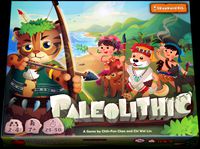
Paleolithic
Éditeur: Shepherd Kit, Inc.
 Voulez-vous vendre votre copie de ce jeu ?

Utilisez notre marché utrade !
Paleolithic
Contactez-nous
Partager sur
L'article n'est pas disponible, vous pouvez utiliser l'alerte pour être averti lorsqu'il sera de nouveau en stock.
PHOTOS SUR BGG
Ces photos sont la propriété de boardgamegeek.com et ne font pas spécifiquement référence à l'édition présentée sur cette page.




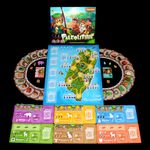
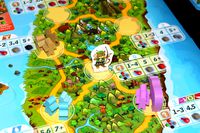
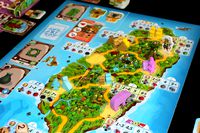
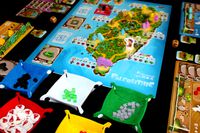







 Descriptif
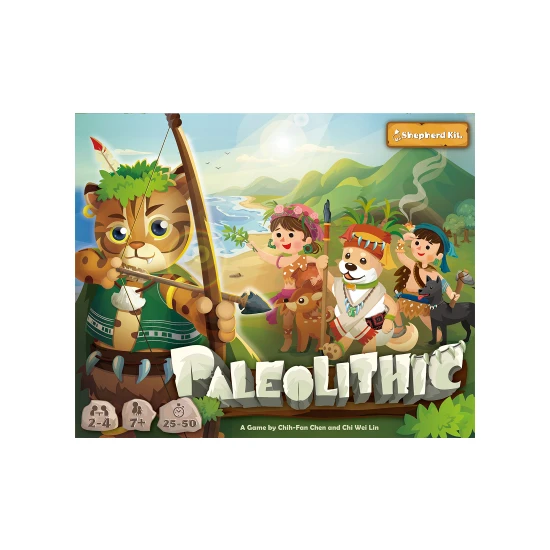
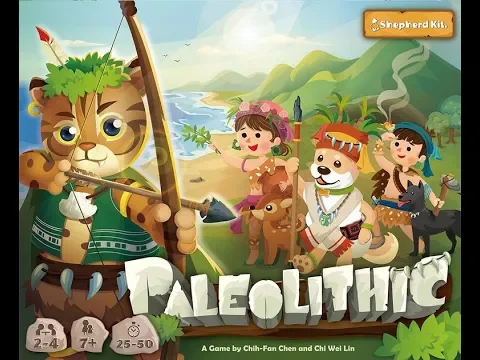
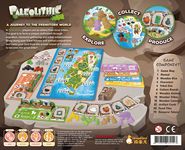
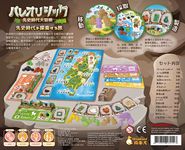
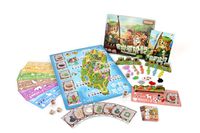
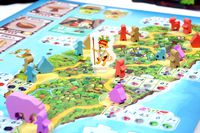
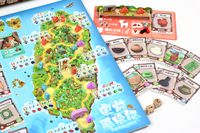
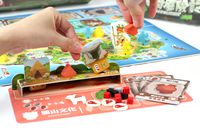
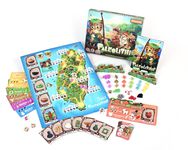
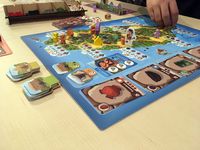
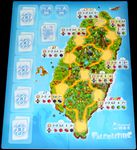
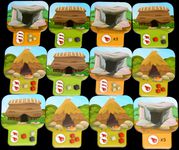
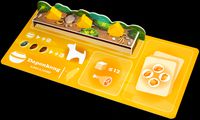
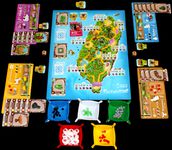
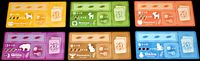
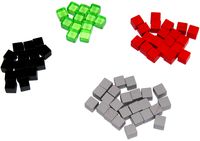
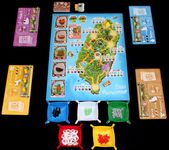
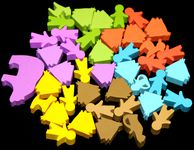
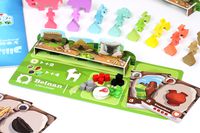
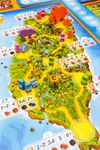
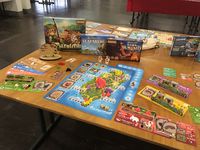
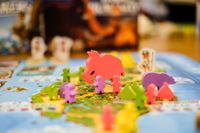
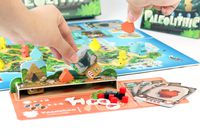
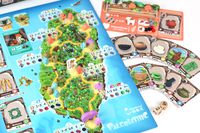
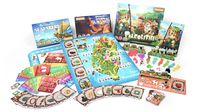
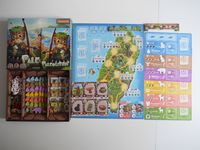
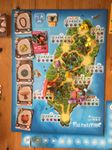
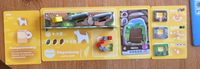
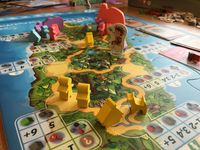
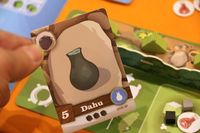
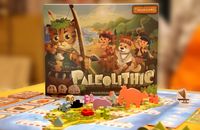
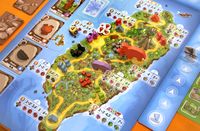
In Paleolithic, players act as elders from local tribes. The goal is to form a unique civilization through migration, resource gathering and tribal establishment. Bring along your tribal fellows and animal companions, and claim your land from the primal island of Formosa to become the great elder! Players will play as tribal elders of the six cultures to lead tribal fellows and animal companions on the journey. The player ending up with the highest score will be the prehistoric Great Elder! Starting a Game: Each player picks a culture in the game. Start with 2 caveman tokens and 1 animal companion and place them according to their starting location. Playing the Game: In each round, players can choose from "Explore" or "Workshop" actions: I. Explore: Step 1. Migration: Move one caveman or animal token to an adjacent ring. You can also choose not to move at all. Step 2. Collection: By rolling a die, any ring occupied by a player's caveman or animal tokens can generate resources based on the "dice points + number of tokens," corresponding to the list of resources next to the occupied ring. II. Workshop: select 1 of the following moves to conduct. 1. Produce Artifacts: Consume the corresponding resources to acquire the card. The score of the artifact is displayed on the card. 2. Build Tribes: Consume resources to acquire a tile, and place a tribal token on the map. Each tribal tile in the game accounts for 3 points at the end of the game; the tribal token can also be counted as the player's token for resource generation. Ending the Game: 1. When a player obtains a total of 8 artifact cards and tribal tiles, the game is over and scores are calculated. 2. Scoring: Each artifact earns points, and each tribal tile accounts for another 3 points. Additional achievement points comes from the artifact combinations shown on each culture board.
 Informations supplémentaires
| Mécanique: | Lancer les dés Mouvement de grille Placement des travailleurs |
| Catégories: | Aventure Historique Animaux Éducatif Civilisation Dés Éducatif Exploration Historique |
| Noms alternatifs: | |
| BARCODE: | ????????? |
| Cela a été vu 2685 fois | |
Descriptif
In Paleolithic, players act as elders from local tribes. The goal is to form a unique civilization through migration, resource gathering and tribal establishment. Bring along your tribal fellows and animal companions, and claim your land from the primal island of Formosa to become the great elder! Players will play as tribal elders of the six cultures to lead tribal fellows and animal companions on the journey. The player ending up with the highest score will be the prehistoric Great Elder! Starting a Game: Each player picks a culture in the game. Start with 2 caveman tokens and 1 animal companion and place them according to their starting location. Playing the Game: In each round, players can choose from "Explore" or "Workshop" actions: I. Explore: Step 1. Migration: Move one caveman or animal token to an adjacent ring. You can also choose not to move at all. Step 2. Collection: By rolling a die, any ring occupied by a player's caveman or animal tokens can generate resources based on the "dice points + number of tokens," corresponding to the list of resources next to the occupied ring. II. Workshop: select 1 of the following moves to conduct. 1. Produce Artifacts: Consume the corresponding resources to acquire the card. The score of the artifact is displayed on the card. 2. Build Tribes: Consume resources to acquire a tile, and place a tribal token on the map. Each tribal tile in the game accounts for 3 points at the end of the game; the tribal token can also be counted as the player's token for resource generation. Ending the Game: 1. When a player obtains a total of 8 artifact cards and tribal tiles, the game is over and scores are calculated. 2. Scoring: Each artifact earns points, and each tribal tile accounts for another 3 points. Additional achievement points comes from the artifact combinations shown on each culture board.
Informations supplémentaires
| Mécanique: | Lancer les dés Mouvement de grille Placement des travailleurs |
| Catégories: | Aventure Historique Animaux Éducatif Civilisation Dés Éducatif Exploration Historique |
| Noms alternatifs: | |
| BARCODE: | ????????? |
| Cela a été vu 2685 fois | |
Ce que disent les joueurs
Avis des utilisateurs uplay: Aucun avis uplay publié. Soyez le premier !
Votre avis
Les commentaires sont modérés avant publication : pas de liens, insultes ou contenus hors sujet. Les avis négatifs respectueux sont acceptés.
Connectez-vous pour donner votre avis
ATTENTION ! Ne convient pas aux enfants de moins de 3 ans. Il contient de petites pièces qui pourraient être avalées ou inhalées.