








Langue:
Anglais
Allemand
Japonais



|
|
|
|
2-5
30'
10
Niezależny od języka
|
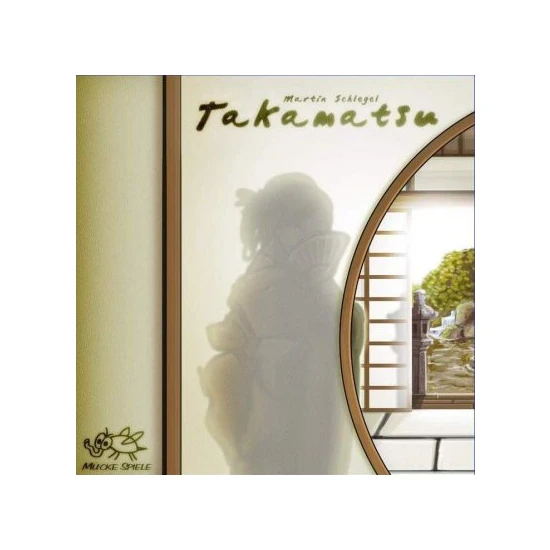
Takamatsu
Éditeur: Mücke Spiele
 Voulez-vous vendre votre copie de ce jeu ?

Utilisez notre marché utrade !
Takamatsu
Contactez-nous
Partager sur
L'article n'est pas disponible, vous pouvez utiliser l'alerte pour être averti lorsqu'il sera de nouveau en stock.
PHOTOS SUR BGG
Ces photos sont la propriété de boardgamegeek.com et ne font pas spécifiquement référence à l'édition présentée sur cette page.




 Pochettes de cartes dans ce jeu
23 cartes de 45.0mm de largeur et 90.0mm de hauteur
1x
(100 Pièces)

1x
(100 Pièces)

 Descriptif
Il y a de l'excitation dans la capitale alors que le Shogun Tokugawa Ieyasu souhaite confier le Han de Takamatsu à un défi. Les daimyos concurrents dirigent leurs samouraïs à travers le palais en suivant des règles simples et réalisent rapidement qu'ils peuvent utiliser les samouraïs des autres daimyos à leurs propres fins.
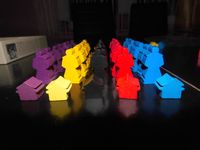
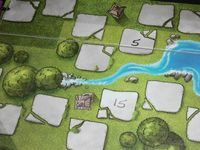
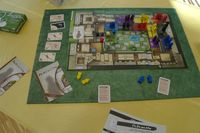
Takamatsu est un jeu de conflit et de coopération, où les joueurs essaient de placer (ou de ne pas placer !) leurs samouraïs dans leurs propres chambres. Le palais se compose de deux chemins circulaires qui se rejoignent à un point, puis se séparent à nouveau. Les joueurs ont 5 à 7 samouraïs répartis entre deux chambres codées par couleur au début du jeu, et une rangée de cartes de score - certaines face cachée - est disposée à côté du plateau.
À chaque tour, vous choisissez une chambre contenant au moins un de vos samouraïs, puis vous déplacez un certain nombre de samouraïs dans cette chambre dans le sens des aiguilles d'une montre à partir de cet espace. Si la chambre ne contient qu'un seul samouraï, vous pouvez le déplacer d'un espace ; s'il y en a deux, vous pouvez déplacer les deux de deux espaces ou seulement un d'un espace - mais si un samouraï adverse est avec vous, vous devez déplacer les deux exactement de deux espaces. Lorsqu'une chambre a trois samouraïs ou plus, il doit en laisser au moins un derrière lui (tout en devant amener au moins un samouraï adverse avec lui, le cas échéant). Lorsqu'un samouraï termine son mouvement dans une chambre de la même couleur, le daimyo de ce samouraï collecte la carte de score la plus haute, avec plusieurs scores possibles lors d'un tour. Pour chaque carte de score ouverte collectée, le joueur ajuste immédiatement son marqueur de score - ce qui pourrait vous faire reculer sur la piste, donc parfois vous voulez escorter un autre samouraï vers son pad au lieu de l'amener chez vous.
Lorsque qu'un joueur atteint vingt points, les joueurs terminent le tour, puis totalisent leurs cartes de score cachées, le cas échéant. Le joueur avec le plus de points gagne ! (Avec deux joueurs, chaque daimyo contrôle deux couleurs de samouraïs et doit déplacer un samouraï adverse lorsque cela est possible. Après qu'une pagode atteigne le seuil de vingt points, les joueurs additionnent leurs deux scores pour déterminer un gagnant.)
Takamatsu est un jeu de conflit et de coopération, où les joueurs essaient de placer (ou de ne pas placer !) leurs samouraïs dans leurs propres chambres. Le palais se compose de deux chemins circulaires qui se rejoignent à un point, puis se séparent à nouveau. Les joueurs ont 5 à 7 samouraïs répartis entre deux chambres codées par couleur au début du jeu, et une rangée de cartes de score - certaines face cachée - est disposée à côté du plateau.
À chaque tour, vous choisissez une chambre contenant au moins un de vos samouraïs, puis vous déplacez un certain nombre de samouraïs dans cette chambre dans le sens des aiguilles d'une montre à partir de cet espace. Si la chambre ne contient qu'un seul samouraï, vous pouvez le déplacer d'un espace ; s'il y en a deux, vous pouvez déplacer les deux de deux espaces ou seulement un d'un espace - mais si un samouraï adverse est avec vous, vous devez déplacer les deux exactement de deux espaces. Lorsqu'une chambre a trois samouraïs ou plus, il doit en laisser au moins un derrière lui (tout en devant amener au moins un samouraï adverse avec lui, le cas échéant). Lorsqu'un samouraï termine son mouvement dans une chambre de la même couleur, le daimyo de ce samouraï collecte la carte de score la plus haute, avec plusieurs scores possibles lors d'un tour. Pour chaque carte de score ouverte collectée, le joueur ajuste immédiatement son marqueur de score - ce qui pourrait vous faire reculer sur la piste, donc parfois vous voulez escorter un autre samouraï vers son pad au lieu de l'amener chez vous.
Lorsque qu'un joueur atteint vingt points, les joueurs terminent le tour, puis totalisent leurs cartes de score cachées, le cas échéant. Le joueur avec le plus de points gagne ! (Avec deux joueurs, chaque daimyo contrôle deux couleurs de samouraïs et doit déplacer un samouraï adverse lorsque cela est possible. Après qu'une pagode atteigne le seuil de vingt points, les joueurs additionnent leurs deux scores pour déterminer un gagnant.)
 Informations supplémentaires
| Mécanique: | Placement des travailleurs |
| Catégories: | Action et dextérité |
| Noms alternatifs: | |
| BARCODE: | 4280000153852 |
| Dans 22 listes de souhaits Dans les collections 6 Cela a été vu 8290 fois | |
Descriptif
Il y a de l'excitation dans la capitale alors que le Shogun Tokugawa Ieyasu souhaite confier le Han de Takamatsu à un défi. Les daimyos concurrents dirigent leurs samouraïs à travers le palais en suivant des règles simples et réalisent rapidement qu'ils peuvent utiliser les samouraïs des autres daimyos à leurs propres fins.
Takamatsu est un jeu de conflit et de coopération, où les joueurs essaient de placer (ou de ne pas placer !) leurs samouraïs dans leurs propres chambres. Le palais se compose de deux chemins circulaires qui se rejoignent à un point, puis se séparent à nouveau. Les joueurs ont 5 à 7 samouraïs répartis entre deux chambres codées par couleur au début du jeu, et une rangée de cartes de score - certaines face cachée - est disposée à côté du plateau.
À chaque tour, vous choisissez une chambre contenant au moins un de vos samouraïs, puis vous déplacez un certain nombre de samouraïs dans cette chambre dans le sens des aiguilles d'une montre à partir de cet espace. Si la chambre ne contient qu'un seul samouraï, vous pouvez le déplacer d'un espace ; s'il y en a deux, vous pouvez déplacer les deux de deux espaces ou seulement un d'un espace - mais si un samouraï adverse est avec vous, vous devez déplacer les deux exactement de deux espaces. Lorsqu'une chambre a trois samouraïs ou plus, il doit en laisser au moins un derrière lui (tout en devant amener au moins un samouraï adverse avec lui, le cas échéant). Lorsqu'un samouraï termine son mouvement dans une chambre de la même couleur, le daimyo de ce samouraï collecte la carte de score la plus haute, avec plusieurs scores possibles lors d'un tour. Pour chaque carte de score ouverte collectée, le joueur ajuste immédiatement son marqueur de score - ce qui pourrait vous faire reculer sur la piste, donc parfois vous voulez escorter un autre samouraï vers son pad au lieu de l'amener chez vous.
Lorsque qu'un joueur atteint vingt points, les joueurs terminent le tour, puis totalisent leurs cartes de score cachées, le cas échéant. Le joueur avec le plus de points gagne ! (Avec deux joueurs, chaque daimyo contrôle deux couleurs de samouraïs et doit déplacer un samouraï adverse lorsque cela est possible. Après qu'une pagode atteigne le seuil de vingt points, les joueurs additionnent leurs deux scores pour déterminer un gagnant.)
Takamatsu est un jeu de conflit et de coopération, où les joueurs essaient de placer (ou de ne pas placer !) leurs samouraïs dans leurs propres chambres. Le palais se compose de deux chemins circulaires qui se rejoignent à un point, puis se séparent à nouveau. Les joueurs ont 5 à 7 samouraïs répartis entre deux chambres codées par couleur au début du jeu, et une rangée de cartes de score - certaines face cachée - est disposée à côté du plateau.
À chaque tour, vous choisissez une chambre contenant au moins un de vos samouraïs, puis vous déplacez un certain nombre de samouraïs dans cette chambre dans le sens des aiguilles d'une montre à partir de cet espace. Si la chambre ne contient qu'un seul samouraï, vous pouvez le déplacer d'un espace ; s'il y en a deux, vous pouvez déplacer les deux de deux espaces ou seulement un d'un espace - mais si un samouraï adverse est avec vous, vous devez déplacer les deux exactement de deux espaces. Lorsqu'une chambre a trois samouraïs ou plus, il doit en laisser au moins un derrière lui (tout en devant amener au moins un samouraï adverse avec lui, le cas échéant). Lorsqu'un samouraï termine son mouvement dans une chambre de la même couleur, le daimyo de ce samouraï collecte la carte de score la plus haute, avec plusieurs scores possibles lors d'un tour. Pour chaque carte de score ouverte collectée, le joueur ajuste immédiatement son marqueur de score - ce qui pourrait vous faire reculer sur la piste, donc parfois vous voulez escorter un autre samouraï vers son pad au lieu de l'amener chez vous.
Lorsque qu'un joueur atteint vingt points, les joueurs terminent le tour, puis totalisent leurs cartes de score cachées, le cas échéant. Le joueur avec le plus de points gagne ! (Avec deux joueurs, chaque daimyo contrôle deux couleurs de samouraïs et doit déplacer un samouraï adverse lorsque cela est possible. Après qu'une pagode atteigne le seuil de vingt points, les joueurs additionnent leurs deux scores pour déterminer un gagnant.)
Pochettes de cartes dans ce jeu
23 cartes de 45.0mm de largeur et 90.0mm de hauteur
1x
(100 Pièces)
1x
(100 Pièces)
Informations supplémentaires
| Mécanique: | Placement des travailleurs |
| Catégories: | Action et dextérité |
| Noms alternatifs: | |
| BARCODE: | 4280000153852 |
| Dans 22 listes de souhaits Dans les collections 6 Cela a été vu 8290 fois | |
 Fréquemment achetés ensemble



ATTENTION ! Ne convient pas aux enfants de moins de 3 ans. Il contient de petites pièces qui pourraient être avalées ou inhalées.