









Langue:
Anglais


|
|
|
|
1-4
60'
10
|
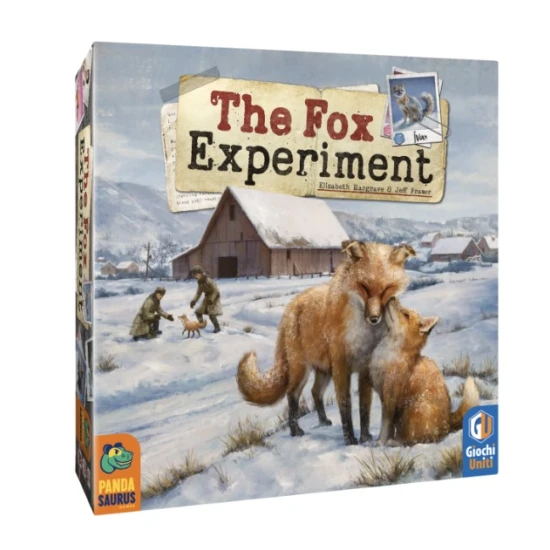
The Fox Experiment
Éditeur: Pandasaurus Games
 Voulez-vous vendre votre copie de ce jeu ?

Utilisez notre marché utrade !
The Fox Experiment
Contactez-nous
Partager sur
 Disponible dans un entrepôt externe.
Expédition sous environ 10/15 jours
-15%
59,46€
Prix de vente
IT
Gratuit
 Bundle avec manches
- Cartes 36 (41.0mmx63.0mm)
- Cartes 42 (63.0mmx88.0mm)
- Cartes 89 (70.0mmx120.0mm)




=
66,50€
Plein tarif
78,75€



=
69,30€
Plein tarif
82,25€



=
69,30€
Plein tarif
82,25€
 Pochettes de cartes dans ce jeu
36 cartes de 41.0mm de largeur et 63.0mm de hauteur
1x
(50 Pièces)

1x
(50 Pièces)

1x
(100 Pièces)

1x
(100 Pièces)

1x
(100 Pièces)

1x
(50 Pièces)

1x
(100 Pièces)

1x
(100 Pièces)

1x
(50 Pièces)
1x
(100 Pièces)
1x
(100 Pièces)
1x
(50 Pièces)
1x
(50 Pièces)

1x
(110 Pièces)

1x
(110 Pièces)

1x
(55 Pièces)

1x
(55 Pièces)

1x
(50 Pièces)
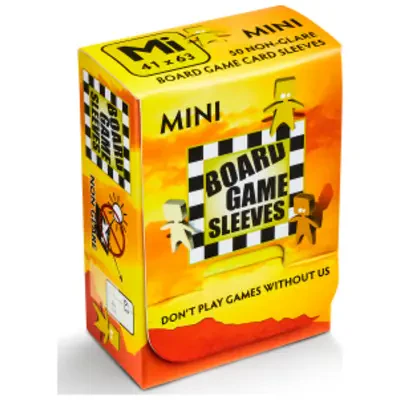
1x
(75 Pièces)
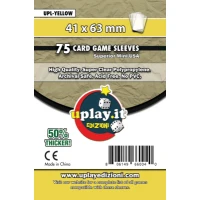
1x
(50 Pièces)

1x
(75 Pièces)

1x
(100 Pièces)

1x
(50 Pièces)

1x
(50 Pièces)

1x
(110 Pièces)

1x
(250 Pièces)
1x
(100 Pièces)

1x
(50 Pièces)
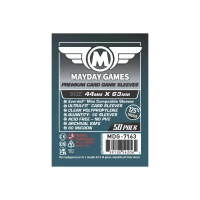
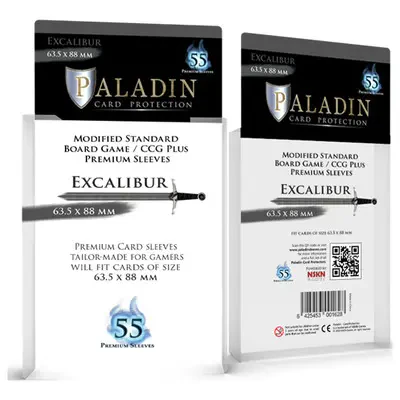
42 cartes de 63.0mm de largeur et 88.0mm de hauteur
1x
(100 Pièces)

1x
(100 Pièces)

1x
(50 Pièces)

1x
(100 Pièces)

1x
(100 Pièces)
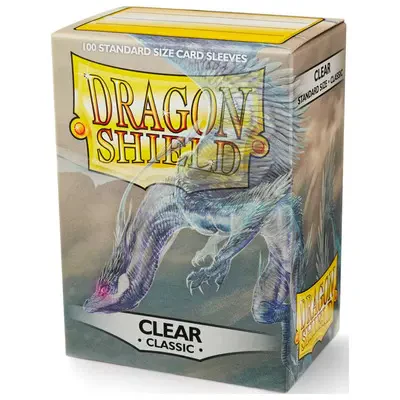
1x
(100 Pièces)

1x
(50 Pièces)

1x
(100 Pièces)

1x
(100 Pièces)
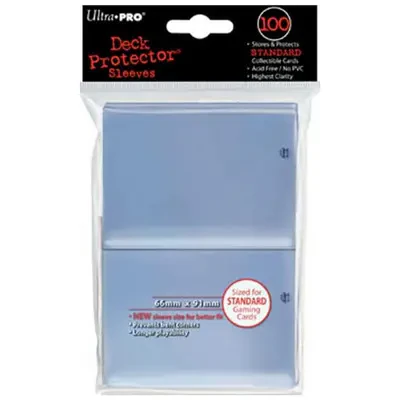
1x
(80 Pièces)

1x
(80 Pièces)

1x
(100 Pièces)

1x
(100 Pièces)

1x
(50 Pièces)
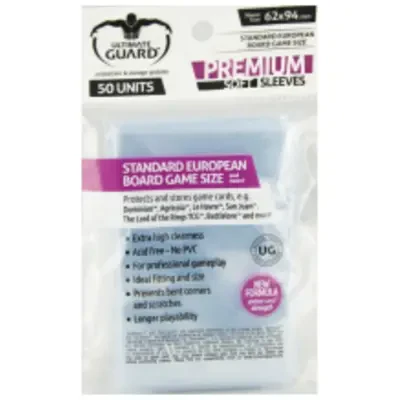
1x
(100 Pièces)

1x
(100 Pièces)

1x
(60 Pièces)
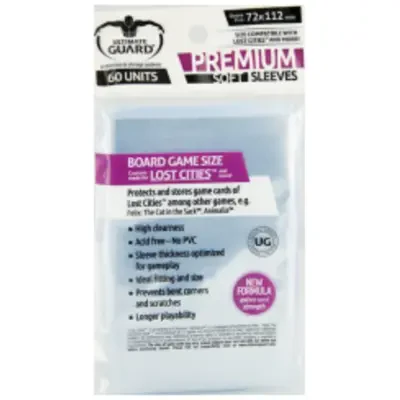
1x
(110 Pièces)

1x
(50 Pièces)
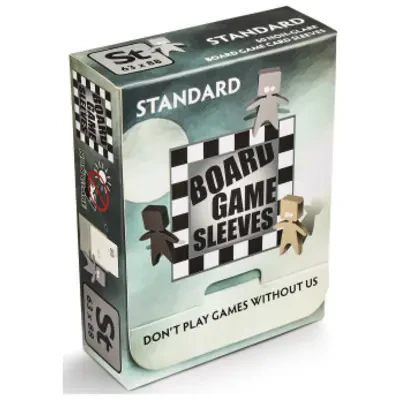
1x
(50 Pièces)

1x
(75 Pièces)
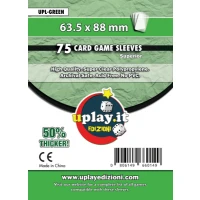
1x
(50 Pièces)

1x
(75 Pièces)

1x
(100 Pièces)

1x
(100 Pièces)

1x
(110 Pièces)

1x
(60 Pièces)
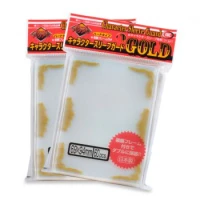
1x
(80 Pièces)

1x
(50 Pièces)
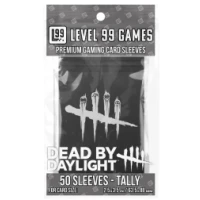
1x
(250 Pièces)

1x
(100 Pièces)
1x
(100 Pièces)

1x
(100 Pièces)

1x
(100 Pièces)

1x
(60 Pièces)

1x
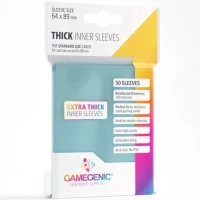
(50 Pièces)
1x
(50 Pièces)
1x
(100 Pièces)

1x
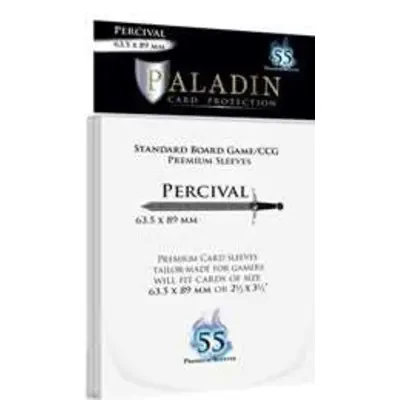
(55 Pièces)
1x
(55 Pièces)
1x
(105 Pièces)

1x
(105 Pièces)

1x
(100 Pièces)

1x
(100 Pièces)

1x
(100 Pièces)
1x
(100 Pièces)

1x
(60 Pièces)

1x
(100 Pièces)

1x
(100 Pièces)

1x
(100 Pièces)

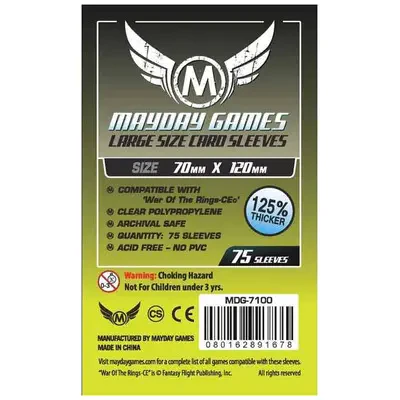
89 cartes de 70.0mm de largeur et 120.0mm de hauteur
2x
(75 Pièces)
1x
(100 Pièces)

1x
(100 Pièces)

1x
(110 Pièces)

1x
(110 Pièces)

1x
(110 Pièces)

2x
(50 Pièces)

2x
(75 Pièces)

1x
(100 Pièces)

2x
(55 Pièces)
1x
(100 Pièces)

2x
(50 Pièces)
1x
(100 Pièces)

 Descriptif
En 1958, Demitri Belyaev et Lyudmila Trut ont commencé une expérience sur la domestication. À partir d'un grand groupe de renards, ils ont sélectionné ceux qui réagissaient aux humains avec plus de curiosité et moins d'agressivité. À chaque génération, ils ont sélectionné uniquement les chiots les plus amicaux pour devenir parents, espérant recréer le processus qui a conduit à la domestication il y a des milliers d'années. L'expérience a fait des progrès étonnants. Même si les renards étaient choisis uniquement pour leur amitié, ils ont rapidement commencé à acquérir de nombreux traits physiques que nous associons aux animaux domestiques, comme des taches, des oreilles tombantes et des queues bouclées. À mesure que la communication s'est ouverte, les renards ont apporté des contributions majeures à notre compréhension de la façon dont ces traits s'expriment. L'expérience se poursuit encore aujourd'hui.
Dans The Fox Experiment, vous allez élever vos propres renards domestiques. À chaque tour, vous sélectionnerez une paire de parents renards ayant certains traits. Vous obtiendrez ces dés de traits spécifiques, les lancerez, puis essayerez de les déplacer pour créer des symboles de traits complets que vous marquerez ensuite sur votre carte de chiot. Vous gagnerez ensuite des jetons de traits en fonction du nombre de traits que vous avez marqués, que vous utiliserez pour améliorer les pistes de votre tableau personnel.
À la fin du tour, la génération précédente de renards sera éliminée et tous les nouveaux chiots seront déplacés dans le chenil, devenant ainsi des candidats à être choisis comme parents au tour suivant. Le jeu se termine après 5 tours et vous gagnerez des points pour satisfaire les patrons (bonus de fin de jeu), les études complétées (objectifs personnels du joueur), si vous avez remporté le prix du renard le plus amical, les améliorations de votre tableau personnel et des jetons supplémentaires. Le joueur avec le plus de points gagne!
Dans The Fox Experiment, vous allez élever vos propres renards domestiques. À chaque tour, vous sélectionnerez une paire de parents renards ayant certains traits. Vous obtiendrez ces dés de traits spécifiques, les lancerez, puis essayerez de les déplacer pour créer des symboles de traits complets que vous marquerez ensuite sur votre carte de chiot. Vous gagnerez ensuite des jetons de traits en fonction du nombre de traits que vous avez marqués, que vous utiliserez pour améliorer les pistes de votre tableau personnel.
À la fin du tour, la génération précédente de renards sera éliminée et tous les nouveaux chiots seront déplacés dans le chenil, devenant ainsi des candidats à être choisis comme parents au tour suivant. Le jeu se termine après 5 tours et vous gagnerez des points pour satisfaire les patrons (bonus de fin de jeu), les études complétées (objectifs personnels du joueur), si vous avez remporté le prix du renard le plus amical, les améliorations de votre tableau personnel et des jetons supplémentaires. Le joueur avec le plus de points gagne!
 Informations supplémentaires
| Mécanique: | Lancer les dés Solo / Gioco del solitario Bonus a fine partita Drafting aperto Ordine del turno: rivendica azione |
| Catégories: | Dés Animaux |
| Noms alternatifs: | |
| BARCODE: | 850029278719 |
| Dans la liste de souhaits 1 Cela a été vu 1712 fois | |
Bundle avec manches
- Cartes 36 (41.0mmx63.0mm)
- Cartes 42 (63.0mmx88.0mm)
- Cartes 89 (70.0mmx120.0mm)
=
66,50€
Plein tarif
78,75€
=
69,30€
Plein tarif
82,25€
=
69,30€
Plein tarif
82,25€
Descriptif
En 1958, Demitri Belyaev et Lyudmila Trut ont commencé une expérience sur la domestication. À partir d'un grand groupe de renards, ils ont sélectionné ceux qui réagissaient aux humains avec plus de curiosité et moins d'agressivité. À chaque génération, ils ont sélectionné uniquement les chiots les plus amicaux pour devenir parents, espérant recréer le processus qui a conduit à la domestication il y a des milliers d'années. L'expérience a fait des progrès étonnants. Même si les renards étaient choisis uniquement pour leur amitié, ils ont rapidement commencé à acquérir de nombreux traits physiques que nous associons aux animaux domestiques, comme des taches, des oreilles tombantes et des queues bouclées. À mesure que la communication s'est ouverte, les renards ont apporté des contributions majeures à notre compréhension de la façon dont ces traits s'expriment. L'expérience se poursuit encore aujourd'hui.
Dans The Fox Experiment, vous allez élever vos propres renards domestiques. À chaque tour, vous sélectionnerez une paire de parents renards ayant certains traits. Vous obtiendrez ces dés de traits spécifiques, les lancerez, puis essayerez de les déplacer pour créer des symboles de traits complets que vous marquerez ensuite sur votre carte de chiot. Vous gagnerez ensuite des jetons de traits en fonction du nombre de traits que vous avez marqués, que vous utiliserez pour améliorer les pistes de votre tableau personnel.
À la fin du tour, la génération précédente de renards sera éliminée et tous les nouveaux chiots seront déplacés dans le chenil, devenant ainsi des candidats à être choisis comme parents au tour suivant. Le jeu se termine après 5 tours et vous gagnerez des points pour satisfaire les patrons (bonus de fin de jeu), les études complétées (objectifs personnels du joueur), si vous avez remporté le prix du renard le plus amical, les améliorations de votre tableau personnel et des jetons supplémentaires. Le joueur avec le plus de points gagne!
Dans The Fox Experiment, vous allez élever vos propres renards domestiques. À chaque tour, vous sélectionnerez une paire de parents renards ayant certains traits. Vous obtiendrez ces dés de traits spécifiques, les lancerez, puis essayerez de les déplacer pour créer des symboles de traits complets que vous marquerez ensuite sur votre carte de chiot. Vous gagnerez ensuite des jetons de traits en fonction du nombre de traits que vous avez marqués, que vous utiliserez pour améliorer les pistes de votre tableau personnel.
À la fin du tour, la génération précédente de renards sera éliminée et tous les nouveaux chiots seront déplacés dans le chenil, devenant ainsi des candidats à être choisis comme parents au tour suivant. Le jeu se termine après 5 tours et vous gagnerez des points pour satisfaire les patrons (bonus de fin de jeu), les études complétées (objectifs personnels du joueur), si vous avez remporté le prix du renard le plus amical, les améliorations de votre tableau personnel et des jetons supplémentaires. Le joueur avec le plus de points gagne!
Pochettes de cartes dans ce jeu
36 cartes de 41.0mm de largeur et 63.0mm de hauteur
1x
(50 Pièces)
1x
(50 Pièces)
1x
(100 Pièces)
1x
(100 Pièces)
1x
(100 Pièces)
1x
(50 Pièces)
1x
(100 Pièces)
1x
(100 Pièces)
1x
(50 Pièces)
1x
(100 Pièces)
1x
(100 Pièces)
1x
(50 Pièces)
1x
(50 Pièces)
1x
(110 Pièces)
1x
(110 Pièces)
1x
(55 Pièces)
1x
(55 Pièces)
1x
(50 Pièces)
1x
(75 Pièces)
1x
(50 Pièces)
1x
(75 Pièces)
1x
(100 Pièces)
1x
(50 Pièces)
1x
(50 Pièces)
1x
(110 Pièces)
1x
(250 Pièces)
1x
(100 Pièces)
1x
(50 Pièces)
42 cartes de 63.0mm de largeur et 88.0mm de hauteur
1x
(100 Pièces)
1x
(100 Pièces)
1x
(50 Pièces)
1x
(100 Pièces)
1x
(100 Pièces)
1x
(100 Pièces)
1x
(50 Pièces)
1x
(100 Pièces)
1x
(100 Pièces)
1x
(80 Pièces)
1x
(80 Pièces)
1x
(100 Pièces)
1x
(100 Pièces)
1x
(50 Pièces)
1x
(100 Pièces)
1x
(100 Pièces)
1x
(60 Pièces)
1x
(110 Pièces)
1x
(50 Pièces)
1x
(50 Pièces)
1x
(75 Pièces)
1x
(50 Pièces)
1x
(75 Pièces)
1x
(100 Pièces)
1x
(100 Pièces)
1x
(110 Pièces)
1x
(60 Pièces)
1x
(80 Pièces)
1x
(50 Pièces)
1x
(250 Pièces)
1x
(100 Pièces)
1x
(100 Pièces)
1x
(100 Pièces)
1x
(100 Pièces)
1x
(60 Pièces)
1x
(50 Pièces)
1x
(50 Pièces)
1x
(100 Pièces)
1x
(55 Pièces)
1x
(55 Pièces)
1x
(105 Pièces)
1x
(105 Pièces)
1x
(100 Pièces)
1x
(100 Pièces)
1x
(100 Pièces)
1x
(100 Pièces)
1x
(60 Pièces)
1x
(100 Pièces)
1x
(100 Pièces)
1x
(100 Pièces)
89 cartes de 70.0mm de largeur et 120.0mm de hauteur
2x
(75 Pièces)
1x
(100 Pièces)
1x
(100 Pièces)
1x
(110 Pièces)
1x
(110 Pièces)
1x
(110 Pièces)
2x
(50 Pièces)
2x
(75 Pièces)
1x
(100 Pièces)
2x
(55 Pièces)
1x
(100 Pièces)
2x
(50 Pièces)
1x
(100 Pièces)
Informations supplémentaires
| Mécanique: | Lancer les dés Solo / Gioco del solitario Bonus a fine partita Drafting aperto Ordine del turno: rivendica azione |
| Catégories: | Dés Animaux |
| Noms alternatifs: | |
| BARCODE: | 850029278719 |
| Dans la liste de souhaits 1 Cela a été vu 1712 fois | |
 Extensions
 Autres versions
Ce que disent les joueurs
Avis des utilisateurs uplay: Aucun avis uplay publié. Soyez le premier !
Votre avis
Les commentaires sont modérés avant publication : pas de liens, insultes ou contenus hors sujet. Les avis négatifs respectueux sont acceptés.
Connectez-vous pour donner votre avis
ATTENTION ! Ne convient pas aux enfants de moins de 3 ans. Il contient de petites pièces qui pourraient être avalées ou inhalées.