








Język:
język-UK


|
|
|
|
Najlepiej w 4 graczy
19 z 39 głosów
Wiek zalecany przez graczy: 10+
5 z 9 głosów
2-4
45'
10
Kein notwendiger Text im Spiel
|
Capital
Wydawca: Granna

 Czy chcesz sprzedać swój egzemplarz tej gry?

Skorzystaj z naszego rynku utrade!
Capital
Skontaktuj się z nami
udostępnij
Artykuł nie jest dostępny. Możesz skorzystać z naszego systemu powiadomień e-mailowych, aby dowiedzieć się, kiedy będzie można go ponownie zamówić.
ZDJĘCIA NA BGG
bggpicszastrzeżenie




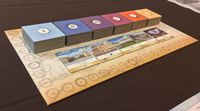
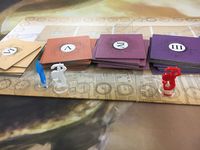
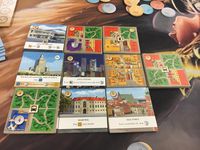
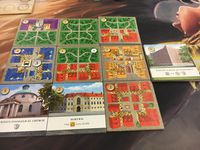

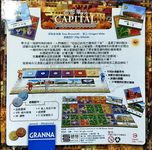


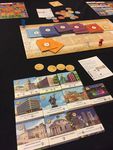
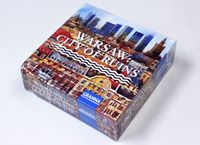
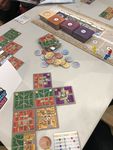



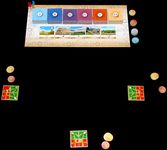
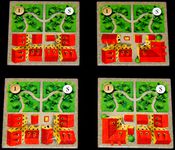
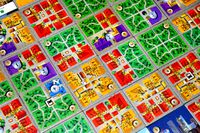
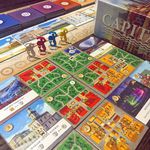
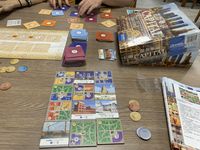
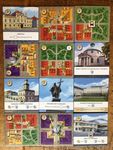
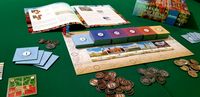
 Opis
Opis
Warszawa to wyjątkowe miasto. Mówi się, że "przeżyło własną śmierć", i jest w tym prawda. Stolica Polski została w dużej mierze zniszczona podczas II wojny światowej, a jej odbudowa była wyjątkowym procesem rozwoju urbanistycznego. Warszawa to połączenie eleganckich budynków z czasów saskich, architektury z okresu międzywojennego, bloków socjalistycznych i nowoczesnych budynków. Spacerując ulicami warszawskiej dzielnicy Wola, można dostrzec tę różnorodność na pierwszy rzut oka. Nowoczesne szklane biurowce stoją obok przedwojennych garaży samochodowych, a betonowe bloki dotykają eleganckich starszych domów, które pokazują oznaki upływu czasu. Niektórzy nazywają to przestrzennym bałaganem, podczas gdy inni widzą w tym determinację mieszkańców. Oba punkty widzenia są słuszne, ponieważ taką Warszawę mamy. Może nie jest najpiękniejsza, ale jest silna i zdeterminowana. Nic nie odzwierciedla charakteru miasta lepiej niż jego różnorodne budynki.
Cel gry:
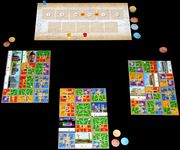
Gracze wspólnie budują Warszawę przez 6 epok, od momentu, gdy Warszawa stała się stolicą pod koniec XVI wieku, aż po czasy nowoczesne. Każdy gracz tworzy swoją własną dzielnicę miasta. Na koniec każdej z sześciu epok dzielnice przynoszą dochody i punkty zwycięstwa ich właścicielom. Po 6 rundach wygrywa ten, kto ma najwięcej punktów.
Przebieg gry:
Gra składa się z 6 epok. Ponadto na końcu 3. i 4. epoki odbywają się wojny. Każda epoka składa się z fazy budowy i fazy dochodów.
Faza budowy:
Gracze tasują kafelki miasta z numerem bieżącej epoki, a następnie rozdają kilka kafelków każdemu graczowi. Każdy gracz wybiera jeden z kafelków, a następnie kładzie go zakryty na stole. Wszyscy gracze jednocześnie odkrywają swoje wybrane kafelki, a każdy gracz wybiera jedną z dwóch możliwych akcji:
Odrzuć swój kafelek do pudełka i weź 3 monety z banku.
Zapłać koszt kafelka w monetach i zbuduj kafelek w swojej dzielnicy.
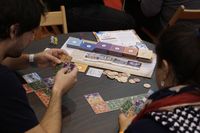
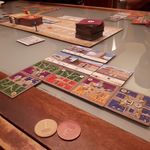
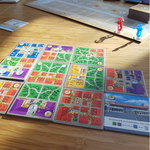
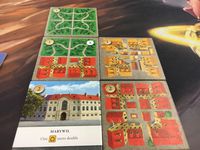
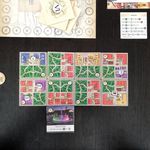
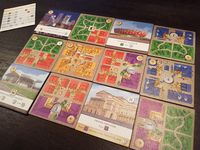
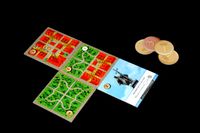
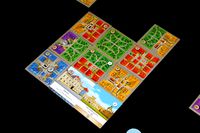
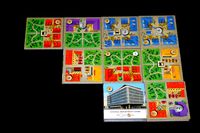
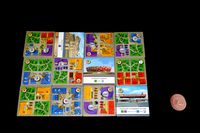
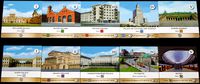
Zamiast umieszczać kafelek w pustym miejscu, gracz może zdecydować się na budowę na istniejącym kafelku. Po prostu umieść nowy kafelek bezpośrednio na istniejącym kafelku, całkowicie go zakrywając. W rezultacie cena nowego kafelka jest obniżana o cenę starszego kafelka, który zakrywa. Dzielnica gracza nigdy nie może być większa niż prostokąt 3×4 lub 4×3 kafelków. Każdy kafelek miasta jest podzielony na 4 ćwiartki. Każda ćwiartka ma swój własny typ budynku, więc kafelek może mieć od 1 do 4 różnych rodzajów budynków. Budynki publiczne i punkty milowe są zawsze oddzielnymi obszarami, nawet jeśli sąsiednie. Zajmują również cały kafelek.
Faza dochodów:
Podczas fazy dochodów umieszczane są punkty milowe, a gracze otrzymują monety i punkty zwycięstwa. Gra kończy się po 6 epokach. Gracz, który ma najwięcej punktów, wygrywa.
 Dalsze informacje
| Mechanika: | Losowanie kart Jednoczesny wybór działań Układanie płytek |
| Kategorie: | Budowa Handel/Gospodarka |
| Alternatywne nazwy: | Capital Warsaw: City of Ruins 首都華沙 Capital |
| BARCODE: | 5900221112849 |
| Na liście życzeń 8__TOK_1__ Obejrzano go 15569__TOK_1__ razy | |
Opis
Warszawa to wyjątkowe miasto. Mówi się, że "przeżyło własną śmierć", i jest w tym prawda. Stolica Polski została w dużej mierze zniszczona podczas II wojny światowej, a jej odbudowa była wyjątkowym procesem rozwoju urbanistycznego. Warszawa to połączenie eleganckich budynków z czasów saskich, architektury z okresu międzywojennego, bloków socjalistycznych i nowoczesnych budynków. Spacerując ulicami warszawskiej dzielnicy Wola, można dostrzec tę różnorodność na pierwszy rzut oka. Nowoczesne szklane biurowce stoją obok przedwojennych garaży samochodowych, a betonowe bloki dotykają eleganckich starszych domów, które pokazują oznaki upływu czasu. Niektórzy nazywają to przestrzennym bałaganem, podczas gdy inni widzą w tym determinację mieszkańców. Oba punkty widzenia są słuszne, ponieważ taką Warszawę mamy. Może nie jest najpiękniejsza, ale jest silna i zdeterminowana. Nic nie odzwierciedla charakteru miasta lepiej niż jego różnorodne budynki.
Cel gry:
Gracze wspólnie budują Warszawę przez 6 epok, od momentu, gdy Warszawa stała się stolicą pod koniec XVI wieku, aż po czasy nowoczesne. Każdy gracz tworzy swoją własną dzielnicę miasta. Na koniec każdej z sześciu epok dzielnice przynoszą dochody i punkty zwycięstwa ich właścicielom. Po 6 rundach wygrywa ten, kto ma najwięcej punktów.
Przebieg gry:
Gra składa się z 6 epok. Ponadto na końcu 3. i 4. epoki odbywają się wojny. Każda epoka składa się z fazy budowy i fazy dochodów.
Faza budowy:
Gracze tasują kafelki miasta z numerem bieżącej epoki, a następnie rozdają kilka kafelków każdemu graczowi. Każdy gracz wybiera jeden z kafelków, a następnie kładzie go zakryty na stole. Wszyscy gracze jednocześnie odkrywają swoje wybrane kafelki, a każdy gracz wybiera jedną z dwóch możliwych akcji:
Odrzuć swój kafelek do pudełka i weź 3 monety z banku.
Zapłać koszt kafelka w monetach i zbuduj kafelek w swojej dzielnicy.
Zamiast umieszczać kafelek w pustym miejscu, gracz może zdecydować się na budowę na istniejącym kafelku. Po prostu umieść nowy kafelek bezpośrednio na istniejącym kafelku, całkowicie go zakrywając. W rezultacie cena nowego kafelka jest obniżana o cenę starszego kafelka, który zakrywa. Dzielnica gracza nigdy nie może być większa niż prostokąt 3×4 lub 4×3 kafelków. Każdy kafelek miasta jest podzielony na 4 ćwiartki. Każda ćwiartka ma swój własny typ budynku, więc kafelek może mieć od 1 do 4 różnych rodzajów budynków. Budynki publiczne i punkty milowe są zawsze oddzielnymi obszarami, nawet jeśli sąsiednie. Zajmują również cały kafelek.
Faza dochodów:
Podczas fazy dochodów umieszczane są punkty milowe, a gracze otrzymują monety i punkty zwycięstwa. Gra kończy się po 6 epokach. Gracz, który ma najwięcej punktów, wygrywa.
Dalsze informacje
| Mechanika: | Losowanie kart Jednoczesny wybór działań Układanie płytek |
| Kategorie: | Budowa Handel/Gospodarka |
| Alternatywne nazwy: | Capital Warsaw: City of Ruins 首都華沙 Capital |
| BARCODE: | 5900221112849 |
| Na liście życzeń 8__TOK_1__ Obejrzano go 15569__TOK_1__ razy | |
 Często kupowane razem




Co mówią gracze
Przy ilu graczach sprawdza się najlepiej · 39 głosów na BoardGameGeek
- 1 0 0 uważa, że jest najlepsza, 2 poleca, 16 odradza
- 2 12 12 uważa, że jest najlepsza, 17 poleca, 2 odradza
- 3 9 9 uważa, że jest najlepsza, 23 poleca, 1 odradza
- 4 19 19 uważa, że jest najlepsza, 12 poleca, 2 odradza
- 4+ 0 0 uważa, że jest najlepsza, 0 poleca, 14 odradza
Najlepiej Consigliato Niepolecane
Oceny użytkowników uplay: Nie ma jeszcze recenzji uplay. Napisz pierwszą!
Twoja recenzja
Komentarze są moderowane przed publikacją: bez linków, obelg i treści nie na temat. Kulturalne negatywne opinie są dozwolone.
Zaloguj się, aby napisać recenzję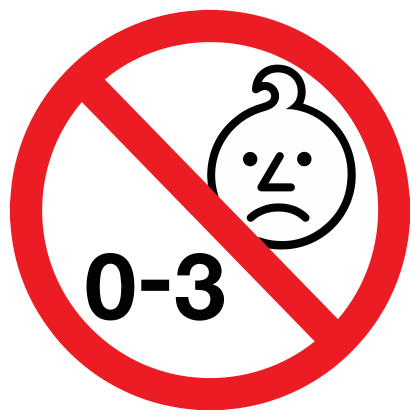
UWAGA! Nie nadaje się dla dzieci poniżej 3 roku życia. Zawiera małe części, które mogą zostać połknięte lub wdychane.