








Język:
język-UK
język-DE
język-FR
język-NL





|
|
|
|
Najlepiej w 4 graczy
29 z 67 głosów
Wiek zalecany przez graczy: 12+
7 z 10 głosów
2-4
75'
12
Niezależny od języka
|
Gentes
Wydawca: Tasty Minstrel Games
 Czy chcesz sprzedać swój egzemplarz tej gry?

Skorzystaj z naszego rynku utrade!
Gentes
Skontaktuj się z nami
udostępnij
Artykuł nie jest dostępny. Możesz skorzystać z naszego systemu powiadomień e-mailowych, aby dowiedzieć się, kiedy będzie można go ponownie zamówić.
ZDJĘCIA NA BGG
bggpicszastrzeżenie


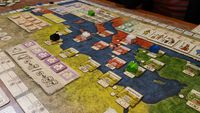
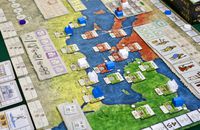
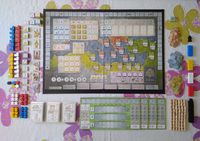

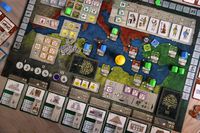

 Rękawy na karty w tej grze
Karty 54: 63.5mm szerokie i 88.0mm wysokie (63.5x88.0)
1x
(100 Pz)

1x
(100 Pz)

2x
(50 Pz)

1x
(100 Pz)

1x
(100 Pz)
1x
(100 Pz)

2x
(50 Pz)

1x
(100 Pz)

1x
(100 Pz)
1x
(80 Pz)

1x
(80 Pz)

1x
(100 Pz)

1x
(100 Pz)

2x
(50 Pz)
1x
(100 Pz)

1x
(100 Pz)

1x
(60 Pz)
1x
(110 Pz)

2x
(50 Pz)
2x
(50 Pz)

1x
(75 Pz)

2x
(50 Pz)

1x
(75 Pz)

1x
(100 Pz)

1x
(100 Pz)

1x
(110 Pz)

1x
(60 Pz)
1x
(80 Pz)

2x
(50 Pz)

1x
(250 Pz)
1x
(100 Pz)

1x
(100 Pz)

1x
(100 Pz)

1x
(100 Pz)

1x
(60 Pz)

2x
(50 Pz)

2x
(50 Pz)

1x
(100 Pz)

1x
(55 Pz)
1x
(55 Pz)
1x
(105 Pz)

1x
(100 Pz)
1x
(100 Pz)

1x
(100 Pz)
1x
(100 Pz)

1x
(60 Pz)
1x
(100 Pz)

1x
(100 Pz)

1x
(100 Pz)
 Opis
Opis
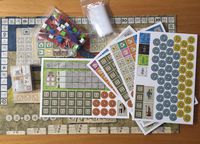
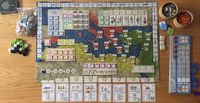
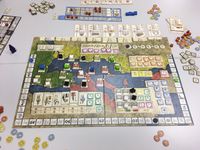
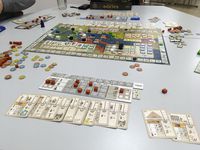
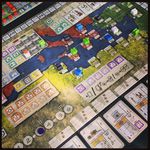
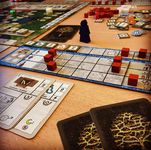
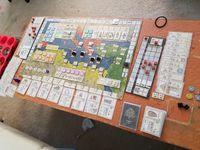
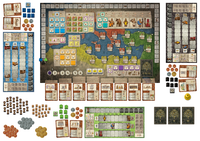
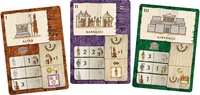
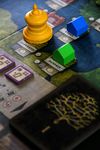
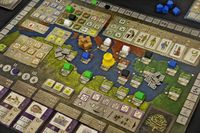
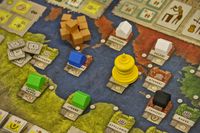
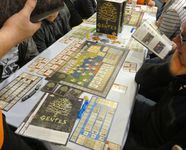
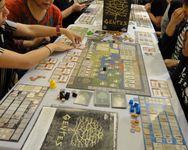
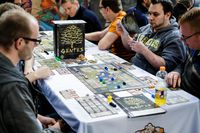
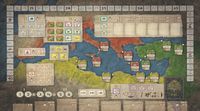
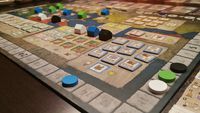
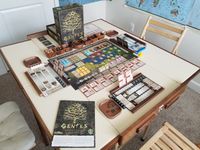
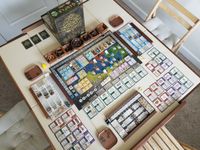
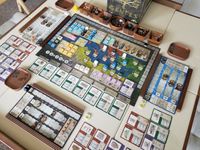
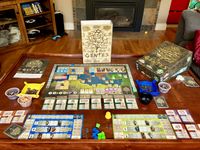
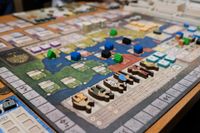
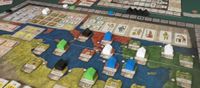
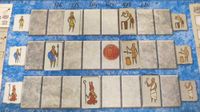
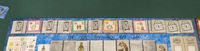
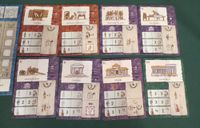
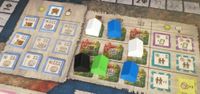
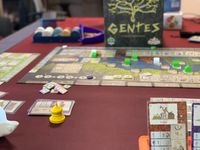
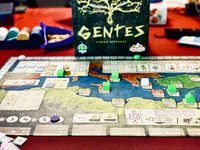
Gentes to interesująca gra cywilizacyjna z innowacyjnym mechanizmem czasowym. "Gentes" to łacińskie słowo w liczbie mnogiej oznaczające większe grupy ludzi (np. plemiona, narody, ludzie; liczba pojedyncza: "gens"). W tej grze gracze wcielają się w starożytny lud, który stara się rozwijać, budując pomniki i kolonizując lub zakładając nowe miasta w Morzu Śródziemnym. Gra rozgrywana jest w sześciu rundach, z których każda składa się z trzech faz: przygotowania, akcji i porządkowania. Istnieją trzy epoki — rundy 1-2, 3-4, 5-6 — z nowymi kartami pomników wchodzącymi do gry na początku rund 1, 3 i 5. Każdy gracz ma osobistą mapę gracza z torami czasowymi dla znaczników akcji i znaczników klepsydry. W fazie akcji rundy gracze wykonują swoje tury zgodnie z ruchem wskazówek zegara, wykonując jedną akcję na turę. Każda akcja wymaga znacznika akcji z głównej planszy, który jest umieszczany na torze czasowym. W zależności od informacji na znaczniku akcji, musisz również zapłacić trochę pieniędzy lub wziąć klepsydry, które są umieszczane na torze czasowym. Kiedy nie masz wolnych miejsc na swoim torze czasowym, musisz odpuścić resztę rundy. Dlatego liczba akcji na gracza w jednej rundzie może się znacznie różnić, jeśli na przykład wybierzesz podwójne klepsydry zamiast dwóch pojedynczych lub weźmiesz znaczniki akcji, które wymagają więcej pieniędzy, ale mniej klepsydr. Pojedyncze klepsydry są odkładane w fazie porządkowania, podczas gdy podwójne klepsydry są przewracane, aby stać się znacznikami pojedynczej klepsydry i pozostają na kolejną rundę. Akcje to: Kupowanie nowych kart z wspólnej wystawy, Budowanie pomników (granie kart z ręki na swoim osobistym wyświetlaczu dla punktów zwycięstwa i nowych opcji), Edukowanie swojego ludu, Budowanie/zakładanie miast, Branie pieniędzy. Aby zagrać kartę, musisz spełnić wymagania wydrukowane na tej karcie, takie jak posiadanie określonych osób na swoim osobistym planszy (np. dwóch kapłanów i czterech żołnierzy). Te wymagania są powodem, dla którego edukacja — czyli zdobywanie określonych ludzi — jest ważna, ale nie jest to takie proste, ponieważ istnieje sześć różnych typów ludzi — trzy po lewej i trzy po prawej stronie twojej osobistej planszy gracza — a masz tylko sześć miejsc na oba typy w tej samej linii. Jeśli masz trzech kupców, na przykład, przesuwasz swój znacznik liczenia kupców o trzy miejsca w stronę żołnierzy i w ten sposób masz tylko trzy miejsca wolne dla żołnierzy. Edukując czwartego żołnierza i przesuwając znacznik żołnierza na czwarte miejsce, automatycznie tracisz jednego kupca, ponieważ ten znacznik jest przesuwany z powrotem na drugie miejsce. Kluczowe jest generowanie dodatkowych akcji, korzystając z funkcji specyficznych dla pomników w twoim wyświetlaczu i miast, które zbudowałeś. Miasta są drogie, ale przynoszą korzyści na koniec każdej rundy lub oferują nowe opcje do wykonania akcji bez pozyskiwania znacznika akcji, zyskując tylko znacznik klepsydry zamiast tego. Staraj się mieć stały dochód, aby uniknąć marnowania akcji na zdobywanie pieniędzy. Zwróć uwagę na wyświetlacz wspólnych kart, który jest nowy w każdej grze, ponieważ karty pomników są losowo tasowane w ramach talii epok I, II i III. Zbieraj identyczne symbole na kartach, aby skorzystać z rosnących punktów zwycięstwa za serię symboli. Buduj miasta, aby poszerzyć swoje opcje!
 Dalsze informacje
| Mechanika: | |
| Kategorie: | Historycy Cywilizacja |
| Alternatywne nazwy: | |
| BARCODE: | 5407004490373 |
| Na liście życzeń 6__TOK_1__ Obejrzano go 5601__TOK_1__ razy | |
Opis
Gentes to interesująca gra cywilizacyjna z innowacyjnym mechanizmem czasowym. "Gentes" to łacińskie słowo w liczbie mnogiej oznaczające większe grupy ludzi (np. plemiona, narody, ludzie; liczba pojedyncza: "gens"). W tej grze gracze wcielają się w starożytny lud, który stara się rozwijać, budując pomniki i kolonizując lub zakładając nowe miasta w Morzu Śródziemnym. Gra rozgrywana jest w sześciu rundach, z których każda składa się z trzech faz: przygotowania, akcji i porządkowania. Istnieją trzy epoki — rundy 1-2, 3-4, 5-6 — z nowymi kartami pomników wchodzącymi do gry na początku rund 1, 3 i 5. Każdy gracz ma osobistą mapę gracza z torami czasowymi dla znaczników akcji i znaczników klepsydry. W fazie akcji rundy gracze wykonują swoje tury zgodnie z ruchem wskazówek zegara, wykonując jedną akcję na turę. Każda akcja wymaga znacznika akcji z głównej planszy, który jest umieszczany na torze czasowym. W zależności od informacji na znaczniku akcji, musisz również zapłacić trochę pieniędzy lub wziąć klepsydry, które są umieszczane na torze czasowym. Kiedy nie masz wolnych miejsc na swoim torze czasowym, musisz odpuścić resztę rundy. Dlatego liczba akcji na gracza w jednej rundzie może się znacznie różnić, jeśli na przykład wybierzesz podwójne klepsydry zamiast dwóch pojedynczych lub weźmiesz znaczniki akcji, które wymagają więcej pieniędzy, ale mniej klepsydr. Pojedyncze klepsydry są odkładane w fazie porządkowania, podczas gdy podwójne klepsydry są przewracane, aby stać się znacznikami pojedynczej klepsydry i pozostają na kolejną rundę. Akcje to: Kupowanie nowych kart z wspólnej wystawy, Budowanie pomników (granie kart z ręki na swoim osobistym wyświetlaczu dla punktów zwycięstwa i nowych opcji), Edukowanie swojego ludu, Budowanie/zakładanie miast, Branie pieniędzy. Aby zagrać kartę, musisz spełnić wymagania wydrukowane na tej karcie, takie jak posiadanie określonych osób na swoim osobistym planszy (np. dwóch kapłanów i czterech żołnierzy). Te wymagania są powodem, dla którego edukacja — czyli zdobywanie określonych ludzi — jest ważna, ale nie jest to takie proste, ponieważ istnieje sześć różnych typów ludzi — trzy po lewej i trzy po prawej stronie twojej osobistej planszy gracza — a masz tylko sześć miejsc na oba typy w tej samej linii. Jeśli masz trzech kupców, na przykład, przesuwasz swój znacznik liczenia kupców o trzy miejsca w stronę żołnierzy i w ten sposób masz tylko trzy miejsca wolne dla żołnierzy. Edukując czwartego żołnierza i przesuwając znacznik żołnierza na czwarte miejsce, automatycznie tracisz jednego kupca, ponieważ ten znacznik jest przesuwany z powrotem na drugie miejsce. Kluczowe jest generowanie dodatkowych akcji, korzystając z funkcji specyficznych dla pomników w twoim wyświetlaczu i miast, które zbudowałeś. Miasta są drogie, ale przynoszą korzyści na koniec każdej rundy lub oferują nowe opcje do wykonania akcji bez pozyskiwania znacznika akcji, zyskując tylko znacznik klepsydry zamiast tego. Staraj się mieć stały dochód, aby uniknąć marnowania akcji na zdobywanie pieniędzy. Zwróć uwagę na wyświetlacz wspólnych kart, który jest nowy w każdej grze, ponieważ karty pomników są losowo tasowane w ramach talii epok I, II i III. Zbieraj identyczne symbole na kartach, aby skorzystać z rosnących punktów zwycięstwa za serię symboli. Buduj miasta, aby poszerzyć swoje opcje!
Rękawy na karty w tej grze
Karty 54: 63.5mm szerokie i 88.0mm wysokie (63.5x88.0)
1x
(100 Pz)
1x
(100 Pz)
2x
(50 Pz)
1x
(100 Pz)
1x
(100 Pz)
1x
(100 Pz)
2x
(50 Pz)
1x
(100 Pz)
1x
(100 Pz)
1x
(80 Pz)
1x
(80 Pz)
1x
(100 Pz)
1x
(100 Pz)
2x
(50 Pz)
1x
(100 Pz)
1x
(100 Pz)
1x
(60 Pz)
1x
(110 Pz)
2x
(50 Pz)
2x
(50 Pz)
1x
(75 Pz)
2x
(50 Pz)
1x
(75 Pz)
1x
(100 Pz)
1x
(100 Pz)
1x
(110 Pz)
1x
(60 Pz)
1x
(80 Pz)
2x
(50 Pz)
1x
(250 Pz)
1x
(100 Pz)
1x
(100 Pz)
1x
(100 Pz)
1x
(100 Pz)
1x
(60 Pz)
2x
(50 Pz)
2x
(50 Pz)
1x
(100 Pz)
1x
(55 Pz)
1x
(55 Pz)
1x
(105 Pz)
1x
(100 Pz)
1x
(100 Pz)
1x
(100 Pz)
1x
(100 Pz)
1x
(60 Pz)
1x
(100 Pz)
1x
(100 Pz)
1x
(100 Pz)
Dalsze informacje
| Mechanika: | |
| Kategorie: | Historycy Cywilizacja |
| Alternatywne nazwy: | |
| BARCODE: | 5407004490373 |
| Na liście życzeń 6__TOK_1__ Obejrzano go 5601__TOK_1__ razy | |





Co mówią gracze · dane i recenzje publikowane przez użytkowników BoardGameGeek
Przy ilu graczach sprawdza się najlepiej · 67 głosów na BoardGameGeek
- 1 1 1 uważa, że jest najlepsza, 9 poleca, 20 odradza
- 2 9 9 uważa, że jest najlepsza, 35 poleca, 9 odradza
- 3 16 16 uważa, że jest najlepsza, 27 poleca, 1 odradza
- 4 29 29 uważa, że jest najlepsza, 20 poleca, 0 odradza
- 4+ 0 0 uważa, że jest najlepsza, 0 poleca, 18 odradza
Najlepiej Consigliato Niepolecane
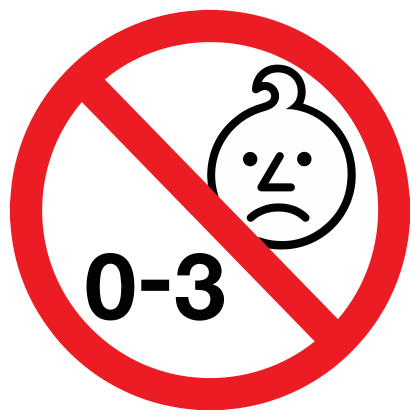
UWAGA! Nie nadaje się dla dzieci poniżej 3 roku życia. Zawiera małe części, które mogą zostać połknięte lub wdychane.