









Język:
język-UK


|
|
|
|
Najlepiej w 4 graczy
12 z 24 głosów
Wiek zalecany przez graczy: 12+
2 z 5 głosów
3-5
90'
12
Niezależny od języka
|
Graenaland
Wydawca: Czech Board Games
 Czy chcesz sprzedać swój egzemplarz tej gry?

Skorzystaj z naszego rynku utrade!
Graenaland
Skontaktuj się z nami
udostępnij
Artykuł nie jest dostępny. Możesz skorzystać z naszego systemu powiadomień e-mailowych, aby dowiedzieć się, kiedy będzie można go ponownie zamówić.
ZDJĘCIA NA BGG
bggpicszastrzeżenie


 Rękawy na karty w tej grze
Karty 168: 50.0mm szerokie i 75.0mm wysokie (50.0x75.0)
4x
(50 Pz)

2x
(100 Pz)

2x
(100 Pz)

2x
(100 Pz)

2x
(100 Pz)

2x
(100 Pz)
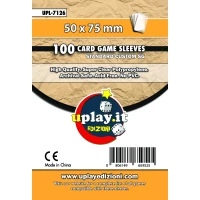
2x
(110 Pz)
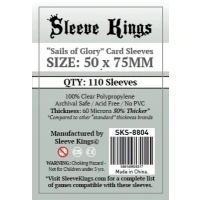
2x
(110 Pz)
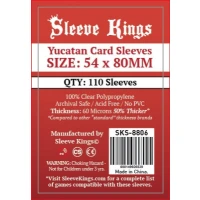
3x
(75 Pz)
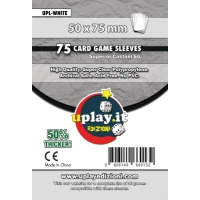
4x
(50 Pz)

2x
(110 Pz)
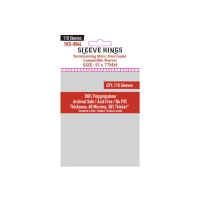
4x
(50 Pz)
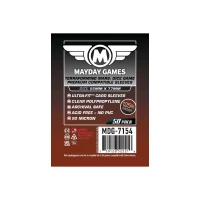
 Opis
Opis
Jesteśmy w czasach kolonizacji Grenlandii, zielonej ziemi, kilka lat po jej "odkryciu" przez wikinga Erika Rudego w 982 roku. Gracze reprezentują przywódców różnych klanów zaangażowanych w zajmowanie nowej ziemi i jej zasobów. Rywalizacja jest silna, ponieważ zasoby są ograniczone.
Grenlandia jest reprezentowana przez określoną liczbę regionów przybrzeżnych (równą liczbie graczy) i regionów wewnętrznych (równą liczbie regionów przybrzeżnych minus jeden). W każdym regionie, charakteryzującym się rodzajem zasobów, które mogą być w nim produkowane, można budować wioski, infrastruktury (takie jak drogi i rynki) oraz budynki specjalne. Liczba wiosek, które mogą istnieć w danym regionie, jest nieograniczona, podczas gdy można zbudować tylko 3 budynki specjalne (jedną posiadłość, jeden kościół i jedną salę przyjęć) oraz jedną infrastrukturę na typ. Niektóre górzyste regiony są szczególnie trudne do skolonizowania i w nich nie można budować budynków specjalnych.
Gracze będą poruszać na mapie swoich dowódców (Wojownik, Ksiądz i Bard) w rywalizacji o kontrolę nad zasobami, która będzie ustalana na podstawie obecności liderów, wojsk i wiosek/budynków oraz po głosowaniu. Nie ma walk, ponieważ teoretycznie różne klany są przyjazne wobec siebie, a armie mają jedynie funkcję zastraszającą.
Grenlandia jest reprezentowana przez określoną liczbę regionów przybrzeżnych (równą liczbie graczy) i regionów wewnętrznych (równą liczbie regionów przybrzeżnych minus jeden). W każdym regionie, charakteryzującym się rodzajem zasobów, które mogą być w nim produkowane, można budować wioski, infrastruktury (takie jak drogi i rynki) oraz budynki specjalne. Liczba wiosek, które mogą istnieć w danym regionie, jest nieograniczona, podczas gdy można zbudować tylko 3 budynki specjalne (jedną posiadłość, jeden kościół i jedną salę przyjęć) oraz jedną infrastrukturę na typ. Niektóre górzyste regiony są szczególnie trudne do skolonizowania i w nich nie można budować budynków specjalnych.
Gracze będą poruszać na mapie swoich dowódców (Wojownik, Ksiądz i Bard) w rywalizacji o kontrolę nad zasobami, która będzie ustalana na podstawie obecności liderów, wojsk i wiosek/budynków oraz po głosowaniu. Nie ma walk, ponieważ teoretycznie różne klany są przyjazne wobec siebie, a armie mają jedynie funkcję zastraszającą.
 Dalsze informacje
| Mechanika: | Tablice wyników modułowe Do głosowania |
| Kategorie: | Cywilizacja |
| Alternatywne nazwy: | Graenaland Grænaland Graenaland Grænaland |
| BARCODE: | ????????? |
| Na liście życzeń 5__TOK_1__ W kolekcjach 4__TOK_1__ Obejrzano go 7544__TOK_1__ razy | |
Opis
Jesteśmy w czasach kolonizacji Grenlandii, zielonej ziemi, kilka lat po jej "odkryciu" przez wikinga Erika Rudego w 982 roku. Gracze reprezentują przywódców różnych klanów zaangażowanych w zajmowanie nowej ziemi i jej zasobów. Rywalizacja jest silna, ponieważ zasoby są ograniczone.
Grenlandia jest reprezentowana przez określoną liczbę regionów przybrzeżnych (równą liczbie graczy) i regionów wewnętrznych (równą liczbie regionów przybrzeżnych minus jeden). W każdym regionie, charakteryzującym się rodzajem zasobów, które mogą być w nim produkowane, można budować wioski, infrastruktury (takie jak drogi i rynki) oraz budynki specjalne. Liczba wiosek, które mogą istnieć w danym regionie, jest nieograniczona, podczas gdy można zbudować tylko 3 budynki specjalne (jedną posiadłość, jeden kościół i jedną salę przyjęć) oraz jedną infrastrukturę na typ. Niektóre górzyste regiony są szczególnie trudne do skolonizowania i w nich nie można budować budynków specjalnych.
Gracze będą poruszać na mapie swoich dowódców (Wojownik, Ksiądz i Bard) w rywalizacji o kontrolę nad zasobami, która będzie ustalana na podstawie obecności liderów, wojsk i wiosek/budynków oraz po głosowaniu. Nie ma walk, ponieważ teoretycznie różne klany są przyjazne wobec siebie, a armie mają jedynie funkcję zastraszającą.
Grenlandia jest reprezentowana przez określoną liczbę regionów przybrzeżnych (równą liczbie graczy) i regionów wewnętrznych (równą liczbie regionów przybrzeżnych minus jeden). W każdym regionie, charakteryzującym się rodzajem zasobów, które mogą być w nim produkowane, można budować wioski, infrastruktury (takie jak drogi i rynki) oraz budynki specjalne. Liczba wiosek, które mogą istnieć w danym regionie, jest nieograniczona, podczas gdy można zbudować tylko 3 budynki specjalne (jedną posiadłość, jeden kościół i jedną salę przyjęć) oraz jedną infrastrukturę na typ. Niektóre górzyste regiony są szczególnie trudne do skolonizowania i w nich nie można budować budynków specjalnych.
Gracze będą poruszać na mapie swoich dowódców (Wojownik, Ksiądz i Bard) w rywalizacji o kontrolę nad zasobami, która będzie ustalana na podstawie obecności liderów, wojsk i wiosek/budynków oraz po głosowaniu. Nie ma walk, ponieważ teoretycznie różne klany są przyjazne wobec siebie, a armie mają jedynie funkcję zastraszającą.
Rękawy na karty w tej grze
Karty 168: 50.0mm szerokie i 75.0mm wysokie (50.0x75.0)
4x
(50 Pz)
2x
(100 Pz)
2x
(100 Pz)
2x
(100 Pz)
2x
(100 Pz)
2x
(100 Pz)
2x
(110 Pz)
2x
(110 Pz)
3x
(75 Pz)
4x
(50 Pz)
2x
(110 Pz)
4x
(50 Pz)
Dalsze informacje
| Mechanika: | Tablice wyników modułowe Do głosowania |
| Kategorie: | Cywilizacja |
| Alternatywne nazwy: | Graenaland Grænaland Graenaland Grænaland |
| BARCODE: | ????????? |
| Na liście życzeń 5__TOK_1__ W kolekcjach 4__TOK_1__ Obejrzano go 7544__TOK_1__ razy | |
Co mówią gracze
Przy ilu graczach sprawdza się najlepiej · 24 głosów na BoardGameGeek
- 1 0 0 uważa, że jest najlepsza, 0 poleca, 12 odradza
- 2 0 0 uważa, że jest najlepsza, 0 poleca, 12 odradza
- 3 1 1 uważa, że jest najlepsza, 5 poleca, 10 odradza
- 4 12 12 uważa, że jest najlepsza, 6 poleca, 0 odradza
- 5 6 6 uważa, że jest najlepsza, 7 poleca, 6 odradza
- 5+ 0 0 uważa, że jest najlepsza, 0 poleca, 6 odradza
Najlepiej Consigliato Niepolecane
Oceny użytkowników uplay: Nie ma jeszcze recenzji uplay. Napisz pierwszą!
Twoja recenzja
Komentarze są moderowane przed publikacją: bez linków, obelg i treści nie na temat. Kulturalne negatywne opinie są dozwolone.
Zaloguj się, aby napisać recenzję
UWAGA! Nie nadaje się dla dzieci poniżej 3 roku życia. Zawiera małe części, które mogą zostać połknięte lub wdychane.