

-
Wählen Sie die Sprache der Website
-
 Deutsch
DE
Deutsch
DE
-
 English
EN
English
EN
-
 Français
FR
Français
FR
-
 Español
ES
Español
ES
-
 Italiano
IT
Italiano
IT
-
 Polski
PL
Polski
PL
-
 Português
PT
Português
PT
-
Land, in das versendet werden soll






-
Wählen Sie die Sprache der Website
-
Deutsch
DE
-
English
EN
-
Français
FR
-
Español
ES
-
Italiano
IT
-
Polski
PL
-
Português
PT
-
Land, in das versendet werden soll


 (+39) 320 073 4588
 KONTAKTIEREN SIE UNS PER E-MAIL
-
Wählen Sie die Sprache der Website
-
Deutsch
DE
-
English
EN
-
Français
FR
-
Español
ES
-
Italiano
IT
-
Polski
PL
-
Português
PT
-
Land, in das versendet werden soll

-
Menue

-
Ränge

-
Brettspiele

-
Rollenspiel

-
Partyspiele

-
CG

-
Zubehör

-
Lego

-
Buecher

-
Comics



|
|
|
|
|
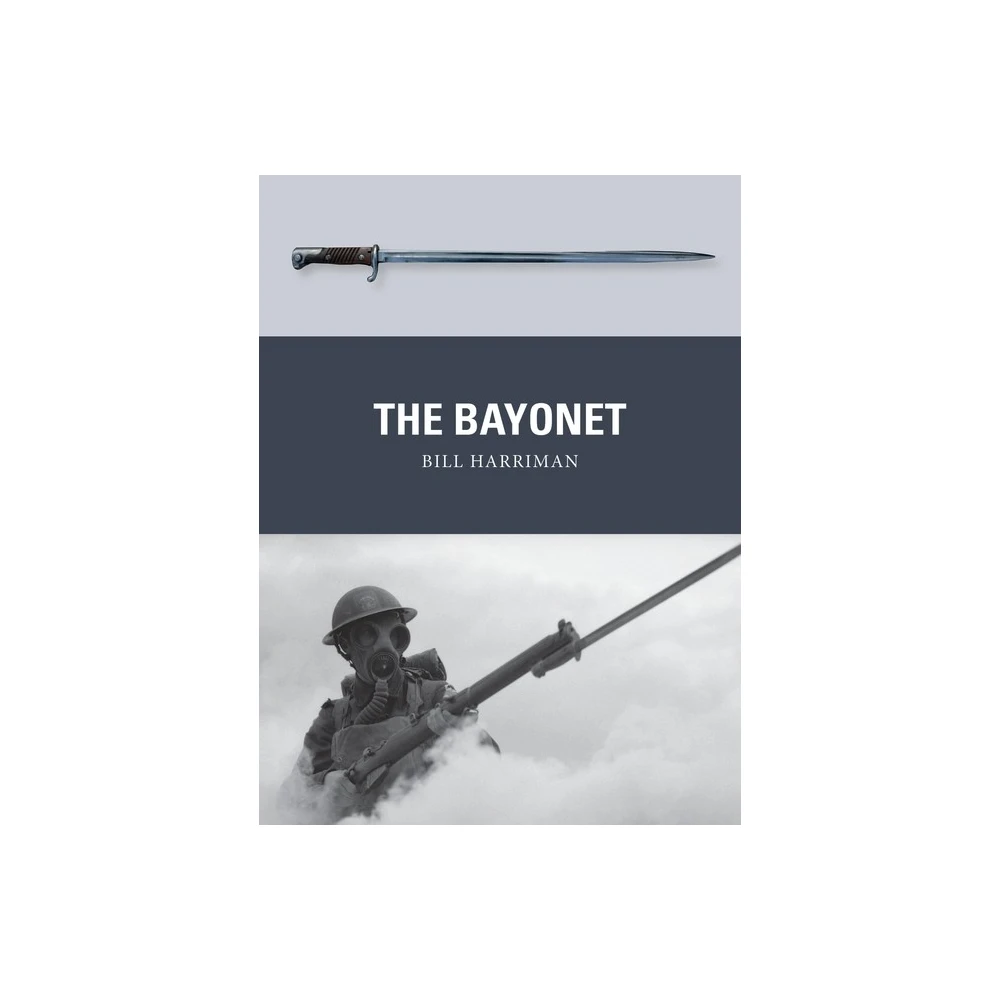
Weapon 78 The Bayonet Paperback
Herausgeber: Osprey Books
 Möchten Sie Ihr Exemplar dieses Spiels verkaufen?

Nutzen Sie unseren Marktplatz utrade!
Weapon 78 The Bayonet Paperback
Kontaktieren Sie uns
Teilen auf
 Derzeit ausverkauft. Bestellbar.
Verkaufspreis:
17,95€
16,15€
IT
4,49€
 Beschreibung
Although muskets delivered devastating projectiles at comparatively long ranges, their slow rate of fire left the soldier very vulnerable while reloading, and early muskets were useless for close-quarter fighting. Consequently, European infantry regiments of the 17th century were composed of both musketeers and pikemen, who protected the musketeers while loading but also formed the shock component for close-quarter combat. The development of the flintlock musket produced a much less cumbersome and faster-firing firearm. When a short knife was stuck into its muzzle, every soldier could be armed with a missile weapon as well as one that could be used for close combat. The only disadvantage was that the musket could not be loaded or fired while the plug bayonet was in place. The socket bayonet solved this problem and the musket/bayonet combination became the universal infantry weapon from c.1700 to c.1870.The advent of shorter rifled firearms saw the attachment of short swords to rifle barrels. Their longer blades still gave the infantryman the ‘reach' that contemporaries believed he needed to fend off cavalry attacks. The perfection of the small-bore magazine rifle in the 1890s saw the bayonet lose its tactical importance, becoming smaller and more knife-like, a trend that continued in the world wars. When assault rifles predominated from the 1950s onwards, the bayonet became a weapon of last resort. Its potential usefulness continued to be recognized, but its blade was often combined with an item with some additional function, most notably a wire-cutter.Ultimately, for all its fearsome reputation as a visceral, close-quarter fighting weapon, the bayonet's greatest impact was actually as a psychological weapon. Featuring full-colour artwork as well as archive and close-up photographs, this is the absorbing story of the complementary weapon to every soldier's firearm from the army of Louis XIV to modern-day forces in all global theatres of conflict.
 Zusätzliche Informationen
| Mechanik: | |
| Kategorien: | |
| Alternative Namen: | |
| BARCODE: | 9781472845368 |
| Dies wurde 34__PH_1__ Mal gesehen | |
Beschreibung
Although muskets delivered devastating projectiles at comparatively long ranges, their slow rate of fire left the soldier very vulnerable while reloading, and early muskets were useless for close-quarter fighting. Consequently, European infantry regiments of the 17th century were composed of both musketeers and pikemen, who protected the musketeers while loading but also formed the shock component for close-quarter combat. The development of the flintlock musket produced a much less cumbersome and faster-firing firearm. When a short knife was stuck into its muzzle, every soldier could be armed with a missile weapon as well as one that could be used for close combat. The only disadvantage was that the musket could not be loaded or fired while the plug bayonet was in place. The socket bayonet solved this problem and the musket/bayonet combination became the universal infantry weapon from c.1700 to c.1870.The advent of shorter rifled firearms saw the attachment of short swords to rifle barrels. Their longer blades still gave the infantryman the ‘reach' that contemporaries believed he needed to fend off cavalry attacks. The perfection of the small-bore magazine rifle in the 1890s saw the bayonet lose its tactical importance, becoming smaller and more knife-like, a trend that continued in the world wars. When assault rifles predominated from the 1950s onwards, the bayonet became a weapon of last resort. Its potential usefulness continued to be recognized, but its blade was often combined with an item with some additional function, most notably a wire-cutter.Ultimately, for all its fearsome reputation as a visceral, close-quarter fighting weapon, the bayonet's greatest impact was actually as a psychological weapon. Featuring full-colour artwork as well as archive and close-up photographs, this is the absorbing story of the complementary weapon to every soldier's firearm from the army of Louis XIV to modern-day forces in all global theatres of conflict.
Zusätzliche Informationen
| Mechanik: | |
| Kategorien: | |
| Alternative Namen: | |
| BARCODE: | 9781472845368 |
| Dies wurde 34__PH_1__ Mal gesehen | |

VORSICHT! Nicht für Kinder unter 3 Jahren geeignet. Es enthält Kleinteile, die verschluckt oder eingeatmet werden können.