

-
Choisir la langue du site
-
 Deutsch
DE
Deutsch
DE
-
 English
EN
English
EN
-
 Français
FR
Français
FR
-
 Español
ES
Español
ES
-
 Italiano
IT
Italiano
IT
-
 Polski
PL
Polski
PL
-
 Português
PT
Português
PT
-
Pays vers lequel expédier






-
Choisir la langue du site
-
Deutsch
DE
-
English
EN
-
Français
FR
-
Español
ES
-
Italiano
IT
-
Polski
PL
-
Português
PT
-
Pays vers lequel expédier


 (+39) 320 073 4588
 CONTACTEZ-NOUS PAR EMAIL
-
Choisir la langue du site
-
Deutsch
DE
-
English
EN
-
Français
FR
-
Español
ES
-
Italiano
IT
-
Polski
PL
-
Português
PT
-
Pays vers lequel expédier

-
Menus

-
Rangs

-
Jeu de société

-
RPG

-
Party

-
CG

-
Accessoires

-
Légo

-
Livre

-
Bandes dessinees


|
|
|
|
2-4
45'
8
Aucun texte nécessaire dans le jeu
|
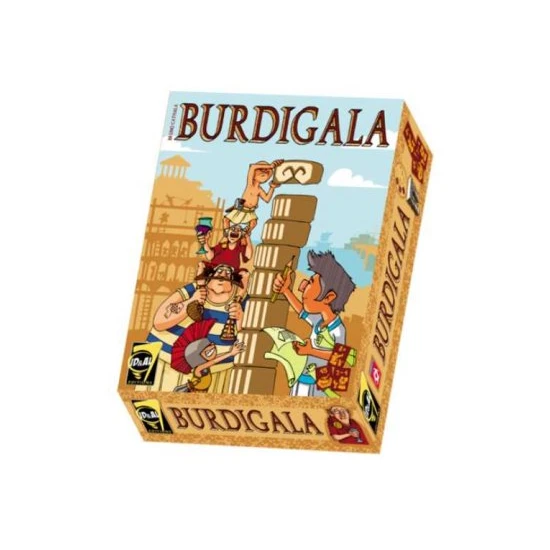
Burdigala
Éditeur: Id&aL Editions
 Voulez-vous vendre votre copie de ce jeu ?

Utilisez notre marché utrade !
Burdigala
Contactez-nous
Partager sur
L'article n'est pas disponible, vous pouvez utiliser l'alerte pour être averti lorsqu'il sera de nouveau en stock.
PHOTOS SUR BGG
Ces photos sont la propriété de boardgamegeek.com et ne font pas spécifiquement référence à l'édition présentée sur cette page.




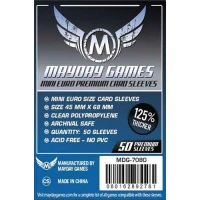
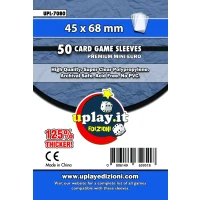
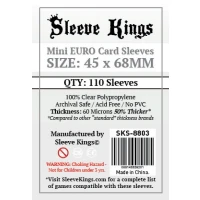
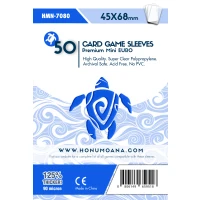
 Pochettes de cartes dans ce jeu
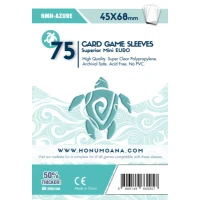
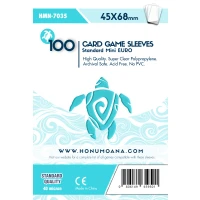
55 cartes de 45.0mm de largeur et 68.0mm de hauteur
2x
(50 Pièces)
1x
(100 Pièces)

1x
(100 Pièces)

2x
(50 Pièces)
1x
(110 Pièces)
1x
(55 Pièces)

1x
(75 Pièces)

2x
(50 Pièces)
1x
(75 Pièces)
1x
(100 Pièces)
 Descriptif
Burdigala is the Roman name for the city of Bordeaux. The game is about the growth of the city during the Roman times.
The board shows a map of the city, with various building sites and streets. At the beginning of the game, a tile is placed on each building site. Each tile shows a building and the reward for completing that building. On the back, it shows the amount of cubes needed to complete the building (2-5). The tiles are placed facedown, so that it is unknown which building is where.
Each turn, a player rolls two dice, picks one and moves his architect as many spaces along the streets as the die shows. Then, he adds a cube to a building site adjacent to his architect's current location. For this, he will receive a reward:
- If the building is not yet completed, he scores one point for each cube that is still needed to complete it.
- If the building is completed, the tile is flipped, and the player gains the reward shown on the tile.
In addition, if the building is completed, any other nearby architects will receive an Intrigue card that will give them some benefit.
Certain combinations on the dice (rolling seven or rolling doubles) allow the player to take a Corruption token (worth -5 to 0 points) to gain a specific benefit, such as a reroll or a double building action.
When there is no more building to be done, the player with the most points wins the game.
Languages : English, French, German, Italian, Spanish.
 Informations supplémentaires
| Mécanique: | Rouler et bouger |
| Catégories: | Historique Bâtiment de la ville |
| Noms alternatifs: | |
| BARCODE: | 3770000928013 |
| Dans 3__PH_1__ listes de souhaits Dans la collection 1__PH_1__ Cela a été vu 7602__PH_1__ fois | |
Descriptif
Burdigala is the Roman name for the city of Bordeaux. The game is about the growth of the city during the Roman times.
The board shows a map of the city, with various building sites and streets. At the beginning of the game, a tile is placed on each building site. Each tile shows a building and the reward for completing that building. On the back, it shows the amount of cubes needed to complete the building (2-5). The tiles are placed facedown, so that it is unknown which building is where.
Each turn, a player rolls two dice, picks one and moves his architect as many spaces along the streets as the die shows. Then, he adds a cube to a building site adjacent to his architect's current location. For this, he will receive a reward:
- If the building is not yet completed, he scores one point for each cube that is still needed to complete it.
- If the building is completed, the tile is flipped, and the player gains the reward shown on the tile.
In addition, if the building is completed, any other nearby architects will receive an Intrigue card that will give them some benefit.
Certain combinations on the dice (rolling seven or rolling doubles) allow the player to take a Corruption token (worth -5 to 0 points) to gain a specific benefit, such as a reroll or a double building action.
When there is no more building to be done, the player with the most points wins the game.
Languages : English, French, German, Italian, Spanish.
Pochettes de cartes dans ce jeu
55 cartes de 45.0mm de largeur et 68.0mm de hauteur
2x
(50 Pièces)
1x
(100 Pièces)
1x
(100 Pièces)
2x
(50 Pièces)
1x
(110 Pièces)
1x
(55 Pièces)
1x
(75 Pièces)
2x
(50 Pièces)
1x
(75 Pièces)
1x
(100 Pièces)
Informations supplémentaires
| Mécanique: | Rouler et bouger |
| Catégories: | Historique Bâtiment de la ville |
| Noms alternatifs: | |
| BARCODE: | 3770000928013 |
| Dans 3__PH_1__ listes de souhaits Dans la collection 1__PH_1__ Cela a été vu 7602__PH_1__ fois | |


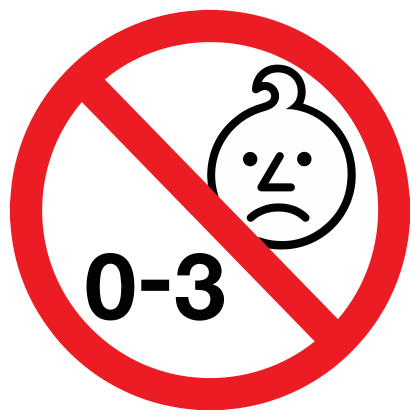
ATTENTION ! Ne convient pas aux enfants de moins de 3 ans. Il contient de petites pièces qui pourraient être avalées ou inhalées.