

-
Choisir la langue du site
-
 Deutsch
DE
Deutsch
DE
-
 English
EN
English
EN
-
 Français
FR
Français
FR
-
 Español
ES
Español
ES
-
 Italiano
IT
Italiano
IT
-
 Polski
PL
Polski
PL
-
 Português
PT
Português
PT
-
Pays vers lequel expédier






-
Choisir la langue du site
-
Deutsch
DE
-
English
EN
-
Français
FR
-
Español
ES
-
Italiano
IT
-
Polski
PL
-
Português
PT
-
Pays vers lequel expédier


 (+39) 320 073 4588
 CONTACTEZ-NOUS PAR EMAIL
-
Choisir la langue du site
-
Deutsch
DE
-
English
EN
-
Français
FR
-
Español
ES
-
Italiano
IT
-
Polski
PL
-
Português
PT
-
Pays vers lequel expédier

-
Menus

-
Rangs

-
Jeu de société

-
RPG

-
Party

-
CG

-
Accessoires

-
Légo

-
Livre

-
Bandes dessinees


|
|
|


3-4
60'
8
Aucun texte nécessaire dans le jeu
|
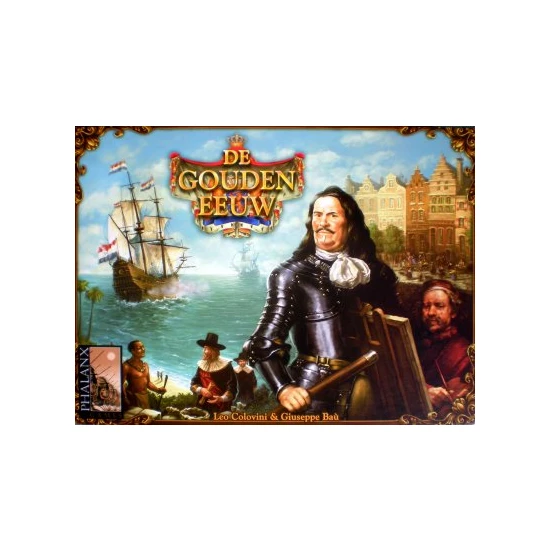
De Gouden Eeuw
Éditeur: Phalanx Games

 Voulez-vous vendre votre copie de ce jeu ?

Utilisez notre marché utrade !
De Gouden Eeuw
Contactez-nous
Partager sur
L'article n'est pas disponible, vous pouvez utiliser l'alerte pour être averti lorsqu'il sera de nouveau en stock.
PHOTOS SUR BGG
Ces photos sont la propriété de boardgamegeek.com et ne font pas spécifiquement référence à l'édition présentée sur cette page.












 Pochettes de cartes dans ce jeu
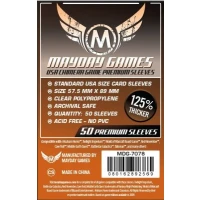
110 cartes de 56.0mm de largeur et 87.0mm de hauteur
3x
(50 Pièces)

3x
(50 Pièces)

3x
(50 Pièces)
2x
(100 Pièces)

2x
(100 Pièces)

2x
(100 Pièces)
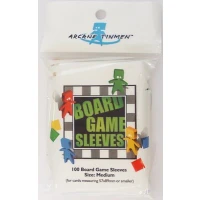
2x
(100 Pièces)

2x
(100 Pièces)

2x
(100 Pièces)

2x
(100 Pièces)
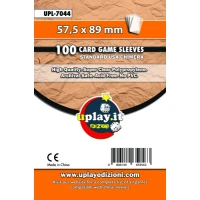
1x
(110 Pièces)
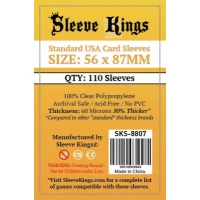
1x
(110 Pièces)

2x
(55 Pièces)

1x
(120 Pièces)
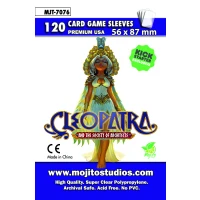
2x
(75 Pièces)

2x
(75 Pièces)
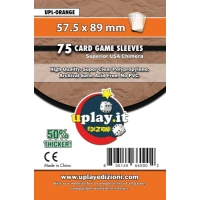
3x
(50 Pièces)

2x
(75 Pièces)

2x
(100 Pièces)

3x
(50 Pièces)

2x
(75 Pièces)

2x
(100 Pièces)

 Descriptif
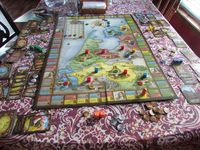
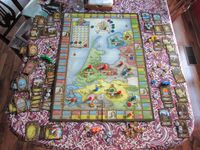
The theme of this game is economic and cultural development in the Netherlands in the 17th century.
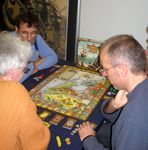
The game is played on a large game board of the Netherlands, divided into provinces. In addition, there are boxes for the East and the West Indies, and track round the edge of the board with the majority of spaces listing two of the ten provinces (in various combinations) that earn players varying amounts of income based on their influences in those provinces, or income spaces that earn players a flat income.
The aim of the players is to be the first player to earn 33 victory points, which are acquired through earning money to extend influence in the provinces, patronize artists, invest in businesses, establish colonies in the Indies, or obtain civic advancements. These are represented by purchasing cards from one of six decks, with each deck having a special focus. Investment cards provide cash payouts, with bigger payouts for collecting sets of different values (single cards are worth less than three-card sets). Artists provide a potentially large source of victory points, but require multiple turns of patronage (i.e., cash) before they pay out. Colonization cards provide ships, captains, and cannons to outfit expeditions to establish colonies which earn victory points and access to the higher-paying spice investment card deck. Civics cards can provide governorships in the provinces (victory points and income), civic improvements (victory points), a special action that allows the holder to alter the normal rules for advancing a token on the board track. There are cards that work with some of the other decks as well, in the civics deck (e.g., investments, expedition components, etc).
 Informations supplémentaires
| Mécanique: | Système d'allocation de points d'action |
| Catégories: | Économique |
| Noms alternatifs: | De Gouden Eeuw Die Goldene Ära Goldene Ära Holdenderski Złoty Wiek Le Siècle d'Or Le Siècle d'Or Le Siècle d'Or Le Siècle d'Or The Dutch Golden Age De Gouden Eeuw Die Goldene Ära Goldene Ära Holdenderski Złoty Wiek Le Siècle d'Or The Dutch Golden Age |
| BARCODE: | ????????? |
| Cela a été vu 5705__PH_1__ fois | |
Descriptif
The theme of this game is economic and cultural development in the Netherlands in the 17th century.
The game is played on a large game board of the Netherlands, divided into provinces. In addition, there are boxes for the East and the West Indies, and track round the edge of the board with the majority of spaces listing two of the ten provinces (in various combinations) that earn players varying amounts of income based on their influences in those provinces, or income spaces that earn players a flat income.
The aim of the players is to be the first player to earn 33 victory points, which are acquired through earning money to extend influence in the provinces, patronize artists, invest in businesses, establish colonies in the Indies, or obtain civic advancements. These are represented by purchasing cards from one of six decks, with each deck having a special focus. Investment cards provide cash payouts, with bigger payouts for collecting sets of different values (single cards are worth less than three-card sets). Artists provide a potentially large source of victory points, but require multiple turns of patronage (i.e., cash) before they pay out. Colonization cards provide ships, captains, and cannons to outfit expeditions to establish colonies which earn victory points and access to the higher-paying spice investment card deck. Civics cards can provide governorships in the provinces (victory points and income), civic improvements (victory points), a special action that allows the holder to alter the normal rules for advancing a token on the board track. There are cards that work with some of the other decks as well, in the civics deck (e.g., investments, expedition components, etc).
Pochettes de cartes dans ce jeu
110 cartes de 56.0mm de largeur et 87.0mm de hauteur
3x
(50 Pièces)
3x
(50 Pièces)
3x
(50 Pièces)
2x
(100 Pièces)
2x
(100 Pièces)
2x
(100 Pièces)
2x
(100 Pièces)
2x
(100 Pièces)
2x
(100 Pièces)
2x
(100 Pièces)
1x
(110 Pièces)
1x
(110 Pièces)
2x
(55 Pièces)
1x
(120 Pièces)
2x
(75 Pièces)
2x
(75 Pièces)
3x
(50 Pièces)
2x
(75 Pièces)
2x
(100 Pièces)
3x
(50 Pièces)
2x
(75 Pièces)
2x
(100 Pièces)
Informations supplémentaires
| Mécanique: | Système d'allocation de points d'action |
| Catégories: | Économique |
| Noms alternatifs: | De Gouden Eeuw Die Goldene Ära Goldene Ära Holdenderski Złoty Wiek Le Siècle d'Or Le Siècle d'Or Le Siècle d'Or Le Siècle d'Or The Dutch Golden Age De Gouden Eeuw Die Goldene Ära Goldene Ära Holdenderski Złoty Wiek Le Siècle d'Or The Dutch Golden Age |
| BARCODE: | ????????? |
| Cela a été vu 5705__PH_1__ fois | |
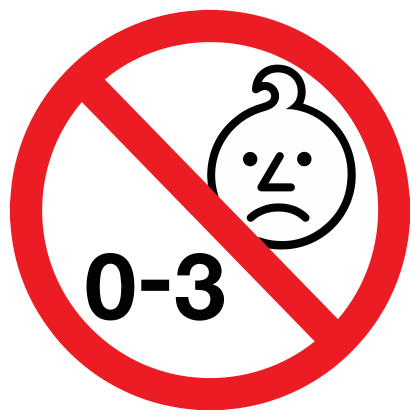
ATTENTION ! Ne convient pas aux enfants de moins de 3 ans. Il contient de petites pièces qui pourraient être avalées ou inhalées.