

-
Wybierz język strony
-
 Deutsch
DE
Deutsch
DE
-
 English
EN
English
EN
-
 Français
FR
Français
FR
-
 Español
ES
Español
ES
-
 Italiano
IT
Italiano
IT
-
 Polski
PL
Polski
PL
-
 Português
PT
Português
PT
-
Wyślij do






-
Wybierz język strony
-
Deutsch
DE
-
English
EN
-
Français
FR
-
Español
ES
-
Italiano
IT
-
Polski
PL
-
Português
PT
-
Wyślij do


 (+39) 320 073 4588
 SKONTAKTUJ SIĘ Z NAMI PRZEZ E-MAIL
-
Wybierz język strony
-
Deutsch
DE
-
English
EN
-
Français
FR
-
Español
ES
-
Italiano
IT
-
Polski
PL
-
Português
PT
-
Wyślij do

-
Menu

-
Rankingi

-
Gry planszowe

-
RPG

-
Party

-
GDC

-
Akcesoria

-
Lego

-
Książki

-
Komiksy



|
|
|
|
2-4
100'
12
Niezależny od języka
|
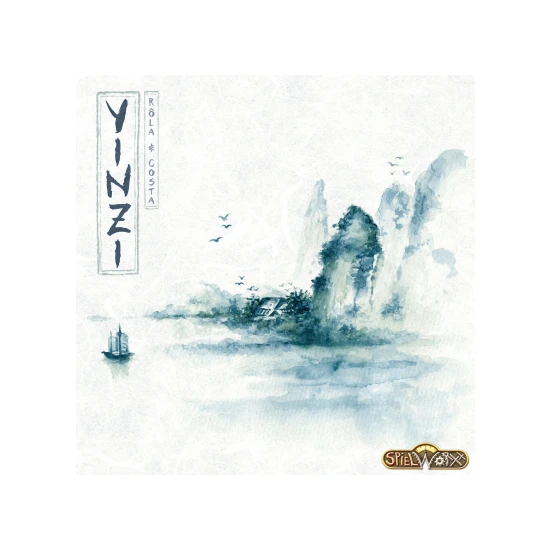
Yínzi: The Shining Ming Dynasty
Wydawca: Spielworxx

 Czy chcesz sprzedać swój egzemplarz tej gry?

Skorzystaj z naszego rynku utrade!
Yínzi: The Shining Ming Dynasty
Skontaktuj się z nami
udostępnij
Artykuł nie jest dostępny. Możesz skorzystać z naszego systemu powiadomień e-mailowych, aby dowiedzieć się, kiedy będzie można go ponownie zamówić.
ZDJĘCIA NA BGG
bggpicszastrzeżenie


 Rękawy na karty w tej grze
Karty 48: 44.0mm szerokie i 68.0mm wysokie (44.0x68.0)
1x
(50 Pz)

1x
(100 Pz)

1x
(100 Pz)

1x
(50 Pz)

1x
(100 Pz)

1x
(50 Pz)

1x
(110 Pz)
1x
(55 Pz)

1x
(75 Pz)

1x
(50 Pz)

1x
(75 Pz)

1x
(100 Pz)

 Opis
Opis
China experienced the greatest economic expansion in its history during the Ming dynasty (1368–1644). The silver trade between the Americas and Europe and onward to China had a profound effect on the world economy – it may be considered the beginning of a global economy.
In China, social mobility led to the growing of cities, especially in the lower Yangtze area, which was at that time responsible for the main production of wheat for the whole country. In addition to wheat and rice, other crops like tea, fruits, and sugarcane were grown on a large scale. Immigrating peasants changed their profession to become merchants and artisans. Many people from the countryside were employed in private or state run factories, producing commodities like paper, porcelain, refined sugar, or silk textiles.
Trade and commerce thrived in this liberalized economy and was aided by the construction of canals, roads, and bridges by the Ming government. Ming China saw the rise of several merchant clans, who owned large amounts of wealth.
In Yínzi: The Shining Ming Dynasty — "yínzi" meaning "silver" — the players represent merchant clans developing parts of China in the late Ming period in the early 17th century along the last 200 km of the Yangtze river before it reaches the China Sea.
The players plant crops, sell goods to the rural or urban markets, develop raw materials, build and upgrade factories, and sell their goods to ships already waiting in the port. In order to reach the port, the players need to improve their river transport capabilities along the Yangtze.
 Dalsze informacje
| Mechanika: | Ręczne zarządzanie kartami Odbiór i dostawa Umieszczenie pracownika |
| Kategorie: | Handel/Gospodarka Rolnictwo Przemysł/Produkcja Transportu |
| Alternatywne nazwy: | Yinzi 白銀王朝 |
| BARCODE: | ????????? |
| Na liście życzeń 1__TOK_1__ Obejrzano go 1302__TOK_1__ razy | |
Opis
China experienced the greatest economic expansion in its history during the Ming dynasty (1368–1644). The silver trade between the Americas and Europe and onward to China had a profound effect on the world economy – it may be considered the beginning of a global economy.
In China, social mobility led to the growing of cities, especially in the lower Yangtze area, which was at that time responsible for the main production of wheat for the whole country. In addition to wheat and rice, other crops like tea, fruits, and sugarcane were grown on a large scale. Immigrating peasants changed their profession to become merchants and artisans. Many people from the countryside were employed in private or state run factories, producing commodities like paper, porcelain, refined sugar, or silk textiles.
Trade and commerce thrived in this liberalized economy and was aided by the construction of canals, roads, and bridges by the Ming government. Ming China saw the rise of several merchant clans, who owned large amounts of wealth.
In Yínzi: The Shining Ming Dynasty — "yínzi" meaning "silver" — the players represent merchant clans developing parts of China in the late Ming period in the early 17th century along the last 200 km of the Yangtze river before it reaches the China Sea.
The players plant crops, sell goods to the rural or urban markets, develop raw materials, build and upgrade factories, and sell their goods to ships already waiting in the port. In order to reach the port, the players need to improve their river transport capabilities along the Yangtze.
Rękawy na karty w tej grze
Karty 48: 44.0mm szerokie i 68.0mm wysokie (44.0x68.0)
1x
(50 Pz)
1x
(100 Pz)
1x
(100 Pz)
1x
(50 Pz)
1x
(100 Pz)
1x
(50 Pz)
1x
(110 Pz)
1x
(55 Pz)
1x
(75 Pz)
1x
(50 Pz)
1x
(75 Pz)
1x
(100 Pz)
Dalsze informacje
| Mechanika: | Ręczne zarządzanie kartami Odbiór i dostawa Umieszczenie pracownika |
| Kategorie: | Handel/Gospodarka Rolnictwo Przemysł/Produkcja Transportu |
| Alternatywne nazwy: | Yinzi 白銀王朝 |
| BARCODE: | ????????? |
| Na liście życzeń 1__TOK_1__ Obejrzano go 1302__TOK_1__ razy | |

UWAGA! Nie nadaje się dla dzieci poniżej 3 roku życia. Zawiera małe części, które mogą zostać połknięte lub wdychane.