






|
|
|




2
90'
8
Niezależny od języka
|
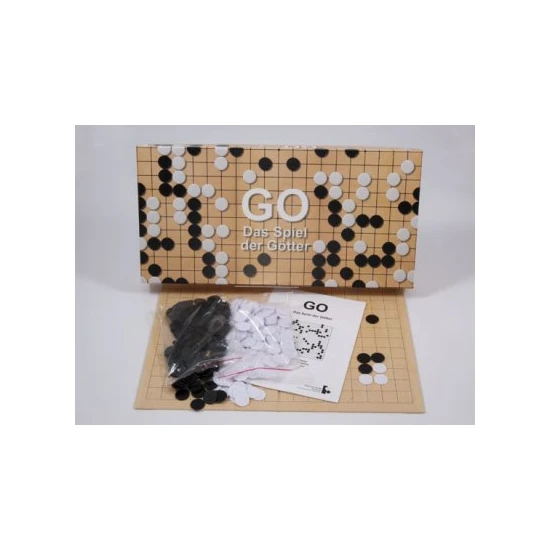
Go - Das Spiel der Götter
Wydawca: Hebsacker Verlag
 Czy chcesz sprzedać swój egzemplarz tej gry?

Skorzystaj z naszego rynku utrade!
Go - Das Spiel der Götter
Skontaktuj się z nami
udostępnij
Artykuł nie jest dostępny. Możesz skorzystać z naszego systemu powiadomień e-mailowych, aby dowiedzieć się, kiedy będzie można go ponownie zamówić.
ZDJĘCIA NA BGG
bggpicszastrzeżenie








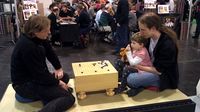
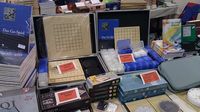


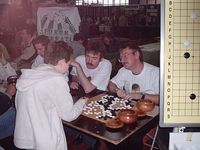









 Opis
Opis
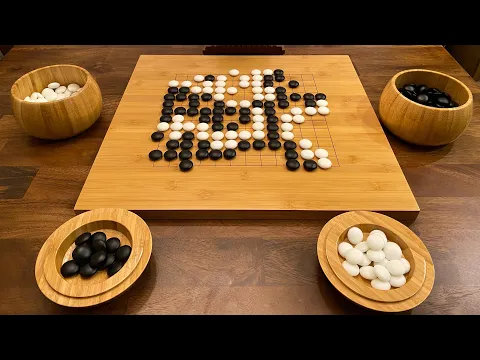
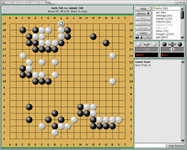
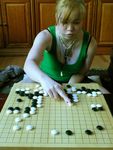
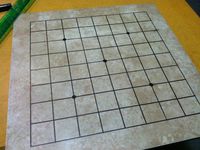
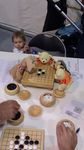
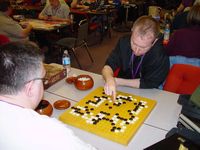
Go gra się w dwóch. To gra umiejętności, w której przypadek nie odgrywa żadnej roli: wygrywa najlepszy, a nie najszczęśliwszy. To jedna z najstarszych gier na świecie, wynaleziona w Chinach być może 4000 lat temu. Zasady są bardzo proste i wystarczą kilka minut, aby je wyjaśnić. Celem gry jest budowanie terytoriów poprzez otaczanie obszarów planszy swoimi kamieniami. Ponieważ wygrywa ten, kto otoczył najwięcej terytorium, każdy będzie się sprzeciwiał próbom drugiego gracza. Należy zauważyć, że istnieje znaczna różnica w porównaniu do gier takich jak warcaby i szachy, których celem jest zniszczenie przeciwnika. W Go często trzeba podejmować kompromisy, oddając terytorium w jednej strefie, aby zdobyć nieco więcej w innej; a może dzięki tej niewielkiej różnicy wygrywa się partię. Umiejętność polega na umiejętności oceny, która wymiana jest najbardziej korzystna.
Go to przyjemna gra na każdym poziomie umiejętności. Gracze początkujący nie są w stanie uchwycić jej aspektów strategicznych, a ich partie często kończą się intensywnymi walkami o łatwo identyfikowalne terytoria. W miarę jak wiedza o grze się poprawia, odkrywa się nowe sposoby prowadzenia partii.
Go to przyjemna gra na każdym poziomie umiejętności. Gracze początkujący nie są w stanie uchwycić jej aspektów strategicznych, a ich partie często kończą się intensywnymi walkami o łatwo identyfikowalne terytoria. W miarę jak wiedza o grze się poprawia, odkrywa się nowe sposoby prowadzenia partii.
 Dalsze informacje
| Mechanika: | Kontrola terytorium Ekspansja terytorialna |
| Kategorie: | Strategia |
| Alternatywne nazwy: | Baduk Go Gó I-Go Paduk Patol The Oriental Game of Go Wei Qi Weichi Weiqi yi yih Го 囲碁 围棋 圍棋 弈 碁 바둑 Atari Go Baduk Cờ Vây Go Go & Go Bang Turnier Go & Gobang Go + Gobang Go A Game of Oriental Strategy Go Einfache Version Go Gobang Go und Gobang Go, Das Brettspiel Ostasiens GoToGo Igo Jang Stone II Jeu de Go Magnetic Chess Magnetic GO Mikado: The Game of Go Negociation Orient Original Go Paduk Patol Peg Travel Go Game Smart Go The Game of Go The Go Pack The Oriental Game of Go U3 English edition Wei Qi Weichi Weiqi yi yih Yunzi Go Stone set Вэйци Го Падук 囲碁 围棋 圍棋 弈 碁 바둑 신의한수 |
| BARCODE: | NOEAN_2525 |
| Na liście życzeń 3__TOK_1__ W kolekcjach 11__TOK_1__ Obejrzano go 5843__TOK_1__ razy | |
Opis
Go gra się w dwóch. To gra umiejętności, w której przypadek nie odgrywa żadnej roli: wygrywa najlepszy, a nie najszczęśliwszy. To jedna z najstarszych gier na świecie, wynaleziona w Chinach być może 4000 lat temu. Zasady są bardzo proste i wystarczą kilka minut, aby je wyjaśnić. Celem gry jest budowanie terytoriów poprzez otaczanie obszarów planszy swoimi kamieniami. Ponieważ wygrywa ten, kto otoczył najwięcej terytorium, każdy będzie się sprzeciwiał próbom drugiego gracza. Należy zauważyć, że istnieje znaczna różnica w porównaniu do gier takich jak warcaby i szachy, których celem jest zniszczenie przeciwnika. W Go często trzeba podejmować kompromisy, oddając terytorium w jednej strefie, aby zdobyć nieco więcej w innej; a może dzięki tej niewielkiej różnicy wygrywa się partię. Umiejętność polega na umiejętności oceny, która wymiana jest najbardziej korzystna.
Go to przyjemna gra na każdym poziomie umiejętności. Gracze początkujący nie są w stanie uchwycić jej aspektów strategicznych, a ich partie często kończą się intensywnymi walkami o łatwo identyfikowalne terytoria. W miarę jak wiedza o grze się poprawia, odkrywa się nowe sposoby prowadzenia partii.
Go to przyjemna gra na każdym poziomie umiejętności. Gracze początkujący nie są w stanie uchwycić jej aspektów strategicznych, a ich partie często kończą się intensywnymi walkami o łatwo identyfikowalne terytoria. W miarę jak wiedza o grze się poprawia, odkrywa się nowe sposoby prowadzenia partii.
Dalsze informacje
| Mechanika: | Kontrola terytorium Ekspansja terytorialna |
| Kategorie: | Strategia |
| Alternatywne nazwy: | Baduk Go Gó I-Go Paduk Patol The Oriental Game of Go Wei Qi Weichi Weiqi yi yih Го 囲碁 围棋 圍棋 弈 碁 바둑 Atari Go Baduk Cờ Vây Go Go & Go Bang Turnier Go & Gobang Go + Gobang Go A Game of Oriental Strategy Go Einfache Version Go Gobang Go und Gobang Go, Das Brettspiel Ostasiens GoToGo Igo Jang Stone II Jeu de Go Magnetic Chess Magnetic GO Mikado: The Game of Go Negociation Orient Original Go Paduk Patol Peg Travel Go Game Smart Go The Game of Go The Go Pack The Oriental Game of Go U3 English edition Wei Qi Weichi Weiqi yi yih Yunzi Go Stone set Вэйци Го Падук 囲碁 围棋 圍棋 弈 碁 바둑 신의한수 |
| BARCODE: | NOEAN_2525 |
| Na liście życzeń 3__TOK_1__ W kolekcjach 11__TOK_1__ Obejrzano go 5843__TOK_1__ razy | |

UWAGA! Nie nadaje się dla dzieci poniżej 3 roku życia. Zawiera małe części, które mogą zostać połknięte lub wdychane.