







Idioma:
Inglês

|
|
|
|
Melhor com 4 jogadores
19 votos de 39
Idade recomendada pelos jogadores: 10+
5 votos de 9
2-4
45'
10
No es necesario texto en el juego.
|
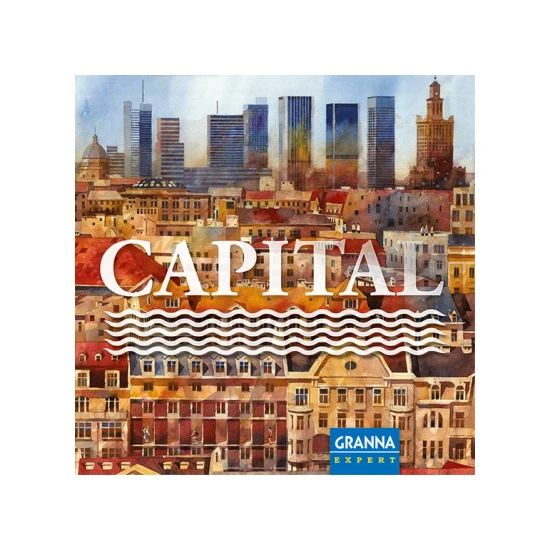
Capital
Editora: Granna
 Quer vender sua cópia deste jogo?

Use nosso mercado utrade!
Capital
Contate-nos
Compartilhar em
O item não está disponível, você pode usar o alerta para ser avisado quando ele estiver novamente em estoque.
FOTOS NO BGG
Estas fotos são propriedade de boardgamegeek.com e não se referem especificamente à edição desta página.


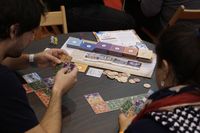


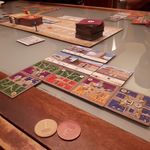
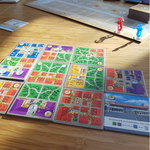
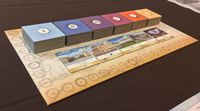
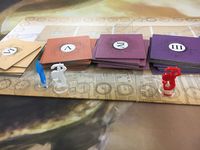
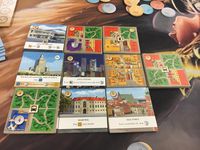
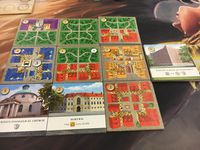
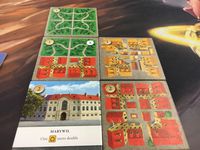
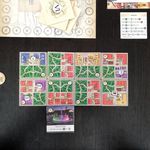
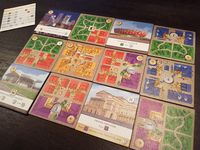
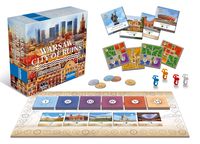
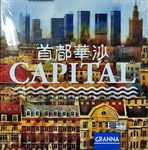
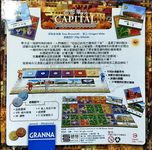

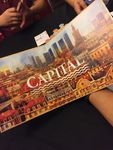
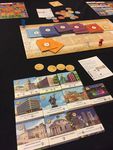
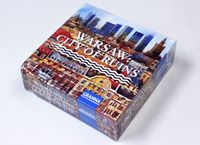
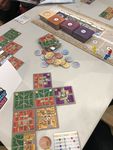
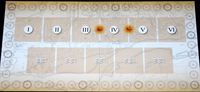


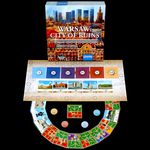
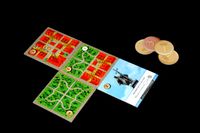
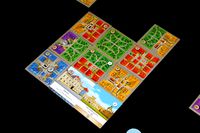
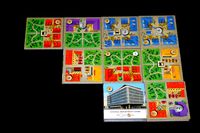
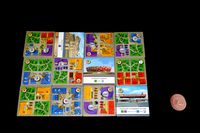
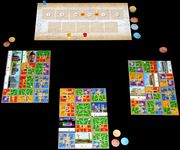

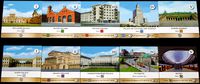
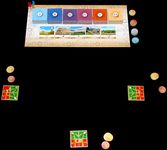
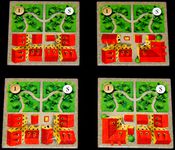
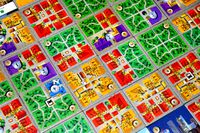
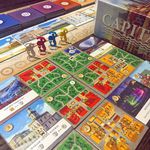
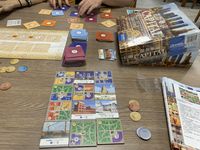
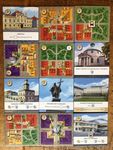
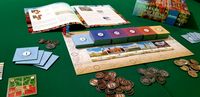
 Descrição
Varsóvia é uma cidade única. Diz-se que "sobreviveu à sua própria morte", e há verdade nisso. A capital da Polônia foi em grande parte destruída durante a Segunda Guerra Mundial, e sua reconstrução foi um processo excepcional de desenvolvimento urbano. Varsóvia é uma combinação de elegantes edifícios da época saxônica, arquitetura entre as duas guerras, blocos socialistas e edifícios modernos. Ao caminhar pelas ruas do distrito de Wola em Varsóvia, pode-se ver essa diversidade de relance. Modernos edifícios de escritórios de vidro estão ao lado de garagens automotivas de antes da guerra, e edifícios de blocos de concreto tocam casas antigas elegantes, que mostram os sinais da decadência do tempo. Alguns chamam isso de uma bagunça espacial, enquanto outros veem nisso a determinação dos residentes. Ambas as opiniões estão corretas, porque é assim que Varsóvia é. Talvez não a mais bonita, mas forte e determinada. Nada reflete melhor o caráter da cidade do que seus edifícios diversos.
Objetivo do jogo:
Os jogadores constroem conjuntamente Varsóvia durante 6 épocas, desde que Varsóvia se tornou a capital no final do século XVI, até os tempos modernos. Cada jogador cria seu próprio distrito da cidade. No final de cada uma das seis épocas, os distritos dão renda e pontos de vitória a seus proprietários. Após 6 rodadas, quem tiver mais pontos vence.
Sequência de jogo:
O jogo consiste em 6 épocas. Além disso, há guerras no final da 3ª e 4ª épocas. Cada época consiste em uma fase de construção e uma fase de renda.
Fase de construção:
Os jogadores embaralham as peças da cidade com o número da época atual, depois distribuem várias peças a cada jogador. Cada jogador escolhe uma das peças e a coloca virada para baixo na mesa. Todos os jogadores revelam simultaneamente suas peças selecionadas, e cada jogador escolhe uma das duas ações possíveis:
Descartar sua peça para a caixa e pegar 3 moedas do banco.
Pagar o custo da peça em moedas e construir a peça em seu distrito.
Em vez de colocar uma peça em um espaço vazio, um jogador pode optar por construir sobre uma peça existente. Basta colocar a nova peça diretamente sobre uma peça existente, cobrindo-a completamente. Como resultado, o preço da nova peça é reduzido pelo preço da peça mais antiga que cobre. O distrito de um jogador nunca pode ser maior que um retângulo de 3×4 ou 4×3 peças. Cada peça da cidade é dividida em 4 quartos. Cada quarto tem seu próprio tipo de edifício, então uma peça pode ter de 1 a 4 tipos diferentes de edifícios. Edifícios públicos e marcos são sempre áreas individuais separadas, mesmo que estejam adjacentes entre si. Eles também ocupam uma peça inteira.
Fase de renda:
Durante a fase de renda, marcos são colocados, e os jogadores recebem moedas e pontos de vitória. O jogo termina após 6 épocas. O jogador que tiver mais pontos é o vencedor.
 Informações adicionais
| Mecânica: | Elaboração de cartão Seleção de Ação Simultânea Colocação de ladrilhos |
| Categorias: | Edifício da cidade Econômico |
| Nomes alternativos: | Capital Warsaw: City of Ruins 首都華沙 Capital |
| BARCODE: | 5900221112849 |
| Em 8 listas de desejos Isso foi visto 15569 vezes | |
Descrição
Varsóvia é uma cidade única. Diz-se que "sobreviveu à sua própria morte", e há verdade nisso. A capital da Polônia foi em grande parte destruída durante a Segunda Guerra Mundial, e sua reconstrução foi um processo excepcional de desenvolvimento urbano. Varsóvia é uma combinação de elegantes edifícios da época saxônica, arquitetura entre as duas guerras, blocos socialistas e edifícios modernos. Ao caminhar pelas ruas do distrito de Wola em Varsóvia, pode-se ver essa diversidade de relance. Modernos edifícios de escritórios de vidro estão ao lado de garagens automotivas de antes da guerra, e edifícios de blocos de concreto tocam casas antigas elegantes, que mostram os sinais da decadência do tempo. Alguns chamam isso de uma bagunça espacial, enquanto outros veem nisso a determinação dos residentes. Ambas as opiniões estão corretas, porque é assim que Varsóvia é. Talvez não a mais bonita, mas forte e determinada. Nada reflete melhor o caráter da cidade do que seus edifícios diversos.
Objetivo do jogo:
Os jogadores constroem conjuntamente Varsóvia durante 6 épocas, desde que Varsóvia se tornou a capital no final do século XVI, até os tempos modernos. Cada jogador cria seu próprio distrito da cidade. No final de cada uma das seis épocas, os distritos dão renda e pontos de vitória a seus proprietários. Após 6 rodadas, quem tiver mais pontos vence.
Sequência de jogo:
O jogo consiste em 6 épocas. Além disso, há guerras no final da 3ª e 4ª épocas. Cada época consiste em uma fase de construção e uma fase de renda.
Fase de construção:
Os jogadores embaralham as peças da cidade com o número da época atual, depois distribuem várias peças a cada jogador. Cada jogador escolhe uma das peças e a coloca virada para baixo na mesa. Todos os jogadores revelam simultaneamente suas peças selecionadas, e cada jogador escolhe uma das duas ações possíveis:
Descartar sua peça para a caixa e pegar 3 moedas do banco.
Pagar o custo da peça em moedas e construir a peça em seu distrito.
Em vez de colocar uma peça em um espaço vazio, um jogador pode optar por construir sobre uma peça existente. Basta colocar a nova peça diretamente sobre uma peça existente, cobrindo-a completamente. Como resultado, o preço da nova peça é reduzido pelo preço da peça mais antiga que cobre. O distrito de um jogador nunca pode ser maior que um retângulo de 3×4 ou 4×3 peças. Cada peça da cidade é dividida em 4 quartos. Cada quarto tem seu próprio tipo de edifício, então uma peça pode ter de 1 a 4 tipos diferentes de edifícios. Edifícios públicos e marcos são sempre áreas individuais separadas, mesmo que estejam adjacentes entre si. Eles também ocupam uma peça inteira.
Fase de renda:
Durante a fase de renda, marcos são colocados, e os jogadores recebem moedas e pontos de vitória. O jogo termina após 6 épocas. O jogador que tiver mais pontos é o vencedor.
Informações adicionais
| Mecânica: | Elaboração de cartão Seleção de Ação Simultânea Colocação de ladrilhos |
| Categorias: | Edifício da cidade Econômico |
| Nomes alternativos: | Capital Warsaw: City of Ruins 首都華沙 Capital |
| BARCODE: | 5900221112849 |
| Em 8 listas de desejos Isso foi visto 15569 vezes | |
 Frequentemente comprados juntos




O que dizem os jogadores
Com quantos jogadores funciona melhor · 39 votos no BoardGameGeek
- 1 0 0 consideram-no o melhor, 2 recomendam-no, 16 desaconselham-no
- 2 12 12 consideram-no o melhor, 17 recomendam-no, 2 desaconselham-no
- 3 9 9 consideram-no o melhor, 23 recomendam-no, 1 desaconselham-no
- 4 19 19 consideram-no o melhor, 12 recomendam-no, 2 desaconselham-no
- 4+ 0 0 consideram-no o melhor, 0 recomendam-no, 14 desaconselham-no
O melhor Sugerido Não recomendado
Avaliações dos utilizadores uplay: Ainda não há avaliações uplay. Seja o primeiro!
A sua avaliação
Os comentários são moderados antes da publicação: sem links, insultos ou conteúdo irrelevante. São aceites opiniões negativas respeitosas.
Inicie sessão para avaliar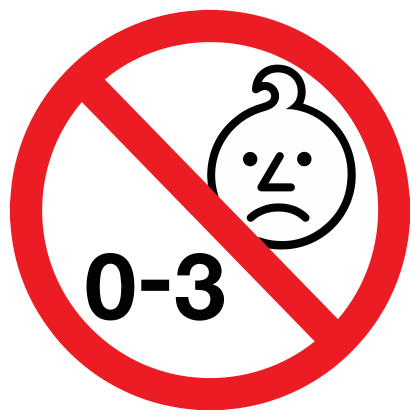
CUIDADO! Não é adequado para crianças menores de 3 anos. Contém peças pequenas que podem ser engolidas ou inaladas.