








Idioma:
Inglês


|
|
|
|
Melhor com 4 jogadores
12 votos de 24
Idade recomendada pelos jogadores: 12+
2 votos de 5
3-5
90'
12
Nenhum texto necessário no jogo
|
Graenaland
Editora: Czech Board Games
 Quer vender sua cópia deste jogo?

Use nosso mercado utrade!
Graenaland
Contate-nos
Compartilhar em
O item não está disponível, você pode usar o alerta para ser avisado quando ele estiver novamente em estoque.
FOTOS NO BGG
Estas fotos são propriedade de boardgamegeek.com e não se referem especificamente à edição desta página.


 Mangas de cartas neste jogo
168 cartões de 50.0mm largura e 75.0mm de altura
4x
(50 Peças)

2x
(100 Peças)

2x
(100 Peças)

2x
(100 Peças)

2x
(100 Peças)

2x
(100 Peças)
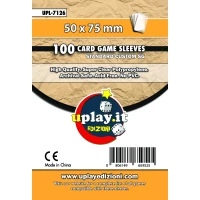
2x
(110 Peças)
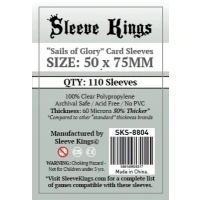
2x
(110 Peças)
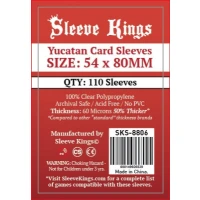
3x
(75 Peças)
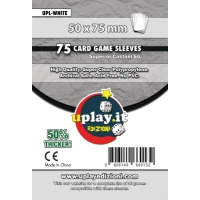
4x
(50 Peças)
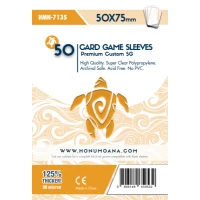
2x
(110 Peças)
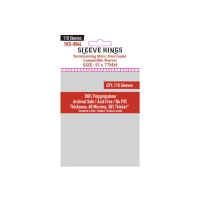
4x
(50 Peças)
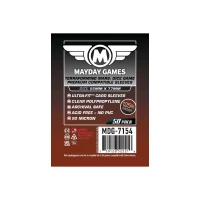
 Descrição
Estamos nos anos da colonização da Groenlândia, a terra verde, alguns anos após sua "descoberta" pelo viking Erik, o Vermelho, em 982. Os jogadores representam os chefes dos vários clãs envolvidos na ocupação da nova terra e de seus recursos. A competição é forte porque os recursos são limitados.
A Groenlândia é representada por um certo número de regiões costeiras (igual ao número de jogadores) e de regiões internas (igual ao número de regiões costeiras menos uma). Em cada região, caracterizada pelo tipo de recursos que podem ser produzidos, poderão ser construídas aldeias, infraestruturas (como estradas e mercados) e edifícios especiais. O número de aldeias que podem existir em uma certa região é ilimitado, enquanto apenas 3 edifícios especiais (uma Casa de Campo, uma Igreja e uma Sala de Recepção) e uma única infraestrutura por tipo podem ser construídos. Algumas regiões montanhosas são particularmente difíceis de colonizar e nelas não é possível construir edifícios especiais.
Os jogadores moverão no mapa seus comandantes (Guerreiro, Sacerdote e Bardo) em uma competição pelo controle dos recursos que será estabelecida com base na presença de líderes, tropas e aldeias/edifícios e após uma votação. Não existem combates, pois, em teoria, os diferentes clãs são amigáveis entre si e os exércitos têm apenas uma função intimidatória.
A Groenlândia é representada por um certo número de regiões costeiras (igual ao número de jogadores) e de regiões internas (igual ao número de regiões costeiras menos uma). Em cada região, caracterizada pelo tipo de recursos que podem ser produzidos, poderão ser construídas aldeias, infraestruturas (como estradas e mercados) e edifícios especiais. O número de aldeias que podem existir em uma certa região é ilimitado, enquanto apenas 3 edifícios especiais (uma Casa de Campo, uma Igreja e uma Sala de Recepção) e uma única infraestrutura por tipo podem ser construídos. Algumas regiões montanhosas são particularmente difíceis de colonizar e nelas não é possível construir edifícios especiais.
Os jogadores moverão no mapa seus comandantes (Guerreiro, Sacerdote e Bardo) em uma competição pelo controle dos recursos que será estabelecida com base na presença de líderes, tropas e aldeias/edifícios e após uma votação. Não existem combates, pois, em teoria, os diferentes clãs são amigáveis entre si e os exércitos têm apenas uma função intimidatória.
 Informações adicionais
| Mecânica: | Placa Modular Votação |
| Categorias: | Civilização |
| Nomes alternativos: | Graenaland Grænaland Graenaland Grænaland |
| BARCODE: | ????????? |
| Em 5 listas de desejos Em 4 coleções Isso foi visto 7598 vezes | |
Descrição
Estamos nos anos da colonização da Groenlândia, a terra verde, alguns anos após sua "descoberta" pelo viking Erik, o Vermelho, em 982. Os jogadores representam os chefes dos vários clãs envolvidos na ocupação da nova terra e de seus recursos. A competição é forte porque os recursos são limitados.
A Groenlândia é representada por um certo número de regiões costeiras (igual ao número de jogadores) e de regiões internas (igual ao número de regiões costeiras menos uma). Em cada região, caracterizada pelo tipo de recursos que podem ser produzidos, poderão ser construídas aldeias, infraestruturas (como estradas e mercados) e edifícios especiais. O número de aldeias que podem existir em uma certa região é ilimitado, enquanto apenas 3 edifícios especiais (uma Casa de Campo, uma Igreja e uma Sala de Recepção) e uma única infraestrutura por tipo podem ser construídos. Algumas regiões montanhosas são particularmente difíceis de colonizar e nelas não é possível construir edifícios especiais.
Os jogadores moverão no mapa seus comandantes (Guerreiro, Sacerdote e Bardo) em uma competição pelo controle dos recursos que será estabelecida com base na presença de líderes, tropas e aldeias/edifícios e após uma votação. Não existem combates, pois, em teoria, os diferentes clãs são amigáveis entre si e os exércitos têm apenas uma função intimidatória.
A Groenlândia é representada por um certo número de regiões costeiras (igual ao número de jogadores) e de regiões internas (igual ao número de regiões costeiras menos uma). Em cada região, caracterizada pelo tipo de recursos que podem ser produzidos, poderão ser construídas aldeias, infraestruturas (como estradas e mercados) e edifícios especiais. O número de aldeias que podem existir em uma certa região é ilimitado, enquanto apenas 3 edifícios especiais (uma Casa de Campo, uma Igreja e uma Sala de Recepção) e uma única infraestrutura por tipo podem ser construídos. Algumas regiões montanhosas são particularmente difíceis de colonizar e nelas não é possível construir edifícios especiais.
Os jogadores moverão no mapa seus comandantes (Guerreiro, Sacerdote e Bardo) em uma competição pelo controle dos recursos que será estabelecida com base na presença de líderes, tropas e aldeias/edifícios e após uma votação. Não existem combates, pois, em teoria, os diferentes clãs são amigáveis entre si e os exércitos têm apenas uma função intimidatória.
Mangas de cartas neste jogo
168 cartões de 50.0mm largura e 75.0mm de altura
4x
(50 Peças)
2x
(100 Peças)
2x
(100 Peças)
2x
(100 Peças)
2x
(100 Peças)
2x
(100 Peças)
2x
(110 Peças)
2x
(110 Peças)
3x
(75 Peças)
4x
(50 Peças)
2x
(110 Peças)
4x
(50 Peças)
Informações adicionais
| Mecânica: | Placa Modular Votação |
| Categorias: | Civilização |
| Nomes alternativos: | Graenaland Grænaland Graenaland Grænaland |
| BARCODE: | ????????? |
| Em 5 listas de desejos Em 4 coleções Isso foi visto 7598 vezes | |
O que dizem os jogadores
Com quantos jogadores funciona melhor · 24 votos no BoardGameGeek
- 1 0 0 consideram-no o melhor, 0 recomendam-no, 12 desaconselham-no
- 2 0 0 consideram-no o melhor, 0 recomendam-no, 12 desaconselham-no
- 3 1 1 consideram-no o melhor, 5 recomendam-no, 10 desaconselham-no
- 4 12 12 consideram-no o melhor, 6 recomendam-no, 0 desaconselham-no
- 5 6 6 consideram-no o melhor, 7 recomendam-no, 6 desaconselham-no
- 5+ 0 0 consideram-no o melhor, 0 recomendam-no, 6 desaconselham-no
O melhor Sugerido Não recomendado
Avaliações dos utilizadores uplay: Ainda não há avaliações uplay. Seja o primeiro!
A sua avaliação
Os comentários são moderados antes da publicação: sem links, insultos ou conteúdo irrelevante. São aceites opiniões negativas respeitosas.
Inicie sessão para avaliar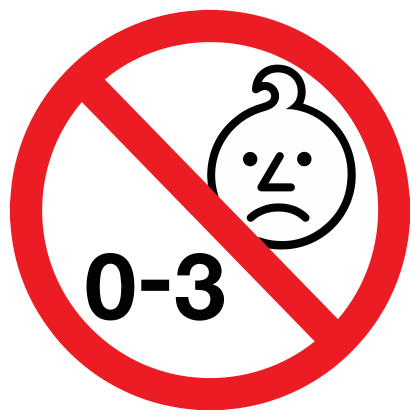
CUIDADO! Não é adequado para crianças menores de 3 anos. Contém peças pequenas que podem ser engolidas ou inaladas.