








Idioma:
Inglês
Alemão
Francês
Espanhol
Japonês





+1
Italiano
regras online

|
|
|
|
3-7
60'
10
Nenhum texto necessário no jogo
|
Sleuth (Prima Edizione)
Editora: Face 2 Face Games
 Quer vender sua cópia deste jogo?

Use nosso mercado utrade!
Sleuth (Prima Edizione)
Contate-nos
Compartilhar em
O item não está disponível, você pode usar o alerta para ser avisado quando ele estiver novamente em estoque.
FOTOS NO BGG
Estas fotos são propriedade de boardgamegeek.com e não se referem especificamente à edição desta página.













 Mangas de cartas neste jogo
90 cartões de 57.0mm largura e 89.0mm de altura
2x
(50 Peças)

2x
(50 Peças)

1x
(100 Peças)

1x
(100 Peças)

1x
(100 Peças)

1x
(110 Peças)

2x
(55 Peças)

2x
(75 Peças)

2x
(50 Peças)

2x
(75 Peças)

1x
(100 Peças)

 Descrição
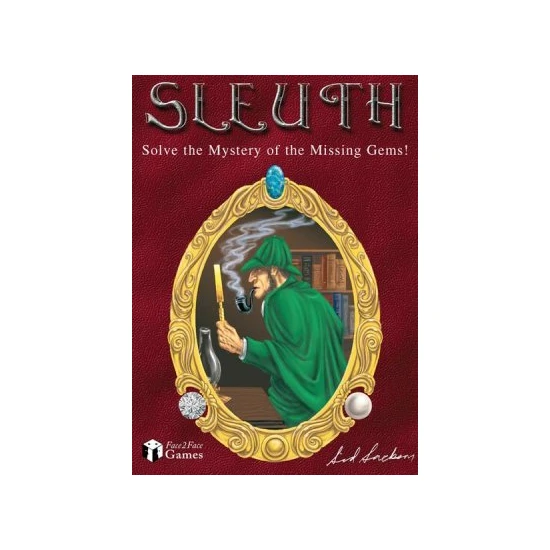
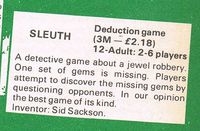
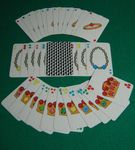
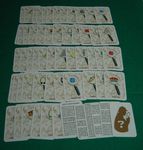
Em Sleuth, um clássico jogo de dedução do mestre designer Sid Sackson, os jogadores estão à procura de uma gema escondida, uma das 36 cartas de gema escondidas antes do início do jogo. O restante deste baralho de gemas – com cada carta mostrando de 1 a 3 diamantes, pérolas ou opalas em uma das quatro cores – é distribuído igualmente entre os jogadores, com quaisquer cartas restantes colocadas viradas para cima. Assim, você e todos os outros começam com algumas informações sobre o que não está faltando.
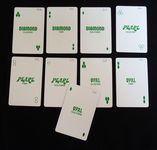
Um segundo baralho contém 54 cartas de busca, cada uma mostrando um ou dois elementos, como diamantes, pares, opalas azuis, pérolas vermelhas ou um elemento de sua escolha. Cada jogador recebe quatro cartas de busca viradas para cima; em um turno, você escolhe uma dessas cartas e pergunta a um oponente quantas cartas de gema ele tem do tipo mostrado. Se você perguntar, por exemplo, sobre pares, o jogador deve lhe dizer quantos pares ele possui, mas não quais pares específicos; se você perguntar algo mais específico, como diamantes vermelhos, o jogador revela a todos quantas dessas cartas ela possui enquanto você pode olhá-las em segredo.
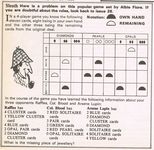
Os jogadores rastreiam informações em um bloco de notas. Você pode adivinhar a gema escondida a qualquer momento, ou em seu turno, pode fazer qualquer pergunta, independentemente das cartas de busca que possui, e então imediatamente fazer uma suposição marcando sua folha e verificando a carta de gema escondida. Se você estiver errado, continua jogando, mas só pode responder perguntas; se estiver correto, você ganha.
A simplicidade das regras e das cartas esconde a complexidade do jogo. Em alguns casos, você vê cartas, enquanto em outros, você ouve apenas o número de cartas que um oponente possui, tornando a dedução difícil. Qualquer sistema de notação que você criar deve ser flexível e confiável, registrando informações negativas, bem como positivas, para eliminar as possibilidades uma a uma...
Um segundo baralho contém 54 cartas de busca, cada uma mostrando um ou dois elementos, como diamantes, pares, opalas azuis, pérolas vermelhas ou um elemento de sua escolha. Cada jogador recebe quatro cartas de busca viradas para cima; em um turno, você escolhe uma dessas cartas e pergunta a um oponente quantas cartas de gema ele tem do tipo mostrado. Se você perguntar, por exemplo, sobre pares, o jogador deve lhe dizer quantos pares ele possui, mas não quais pares específicos; se você perguntar algo mais específico, como diamantes vermelhos, o jogador revela a todos quantas dessas cartas ela possui enquanto você pode olhá-las em segredo.
Os jogadores rastreiam informações em um bloco de notas. Você pode adivinhar a gema escondida a qualquer momento, ou em seu turno, pode fazer qualquer pergunta, independentemente das cartas de busca que possui, e então imediatamente fazer uma suposição marcando sua folha e verificando a carta de gema escondida. Se você estiver errado, continua jogando, mas só pode responder perguntas; se estiver correto, você ganha.
A simplicidade das regras e das cartas esconde a complexidade do jogo. Em alguns casos, você vê cartas, enquanto em outros, você ouve apenas o número de cartas que um oponente possui, tornando a dedução difícil. Qualquer sistema de notação que você criar deve ser flexível e confiável, registrando informações negativas, bem como positivas, para eliminar as possibilidades uma a uma...
 Informações adicionais
| Mecânica: | Gerenciamento de mãos |
| Categorias: | Jogos de cartas Dedução |
| Nomes alternativos: | Diamantenjagd La Chasse aux Diamants Sleuth Diamantenjagd La Chasse aux Diamants Skattjakt: Ett spel om ädelstenar Sleuth 슬루스 |
| BARCODE: | ????????? |
| Na lista de desejos de 1 Em 2 coleções Isso foi visto 5058 vezes | |
Descrição
Em Sleuth, um clássico jogo de dedução do mestre designer Sid Sackson, os jogadores estão à procura de uma gema escondida, uma das 36 cartas de gema escondidas antes do início do jogo. O restante deste baralho de gemas – com cada carta mostrando de 1 a 3 diamantes, pérolas ou opalas em uma das quatro cores – é distribuído igualmente entre os jogadores, com quaisquer cartas restantes colocadas viradas para cima. Assim, você e todos os outros começam com algumas informações sobre o que não está faltando.
Um segundo baralho contém 54 cartas de busca, cada uma mostrando um ou dois elementos, como diamantes, pares, opalas azuis, pérolas vermelhas ou um elemento de sua escolha. Cada jogador recebe quatro cartas de busca viradas para cima; em um turno, você escolhe uma dessas cartas e pergunta a um oponente quantas cartas de gema ele tem do tipo mostrado. Se você perguntar, por exemplo, sobre pares, o jogador deve lhe dizer quantos pares ele possui, mas não quais pares específicos; se você perguntar algo mais específico, como diamantes vermelhos, o jogador revela a todos quantas dessas cartas ela possui enquanto você pode olhá-las em segredo.
Os jogadores rastreiam informações em um bloco de notas. Você pode adivinhar a gema escondida a qualquer momento, ou em seu turno, pode fazer qualquer pergunta, independentemente das cartas de busca que possui, e então imediatamente fazer uma suposição marcando sua folha e verificando a carta de gema escondida. Se você estiver errado, continua jogando, mas só pode responder perguntas; se estiver correto, você ganha.
A simplicidade das regras e das cartas esconde a complexidade do jogo. Em alguns casos, você vê cartas, enquanto em outros, você ouve apenas o número de cartas que um oponente possui, tornando a dedução difícil. Qualquer sistema de notação que você criar deve ser flexível e confiável, registrando informações negativas, bem como positivas, para eliminar as possibilidades uma a uma...
Um segundo baralho contém 54 cartas de busca, cada uma mostrando um ou dois elementos, como diamantes, pares, opalas azuis, pérolas vermelhas ou um elemento de sua escolha. Cada jogador recebe quatro cartas de busca viradas para cima; em um turno, você escolhe uma dessas cartas e pergunta a um oponente quantas cartas de gema ele tem do tipo mostrado. Se você perguntar, por exemplo, sobre pares, o jogador deve lhe dizer quantos pares ele possui, mas não quais pares específicos; se você perguntar algo mais específico, como diamantes vermelhos, o jogador revela a todos quantas dessas cartas ela possui enquanto você pode olhá-las em segredo.
Os jogadores rastreiam informações em um bloco de notas. Você pode adivinhar a gema escondida a qualquer momento, ou em seu turno, pode fazer qualquer pergunta, independentemente das cartas de busca que possui, e então imediatamente fazer uma suposição marcando sua folha e verificando a carta de gema escondida. Se você estiver errado, continua jogando, mas só pode responder perguntas; se estiver correto, você ganha.
A simplicidade das regras e das cartas esconde a complexidade do jogo. Em alguns casos, você vê cartas, enquanto em outros, você ouve apenas o número de cartas que um oponente possui, tornando a dedução difícil. Qualquer sistema de notação que você criar deve ser flexível e confiável, registrando informações negativas, bem como positivas, para eliminar as possibilidades uma a uma...
Mangas de cartas neste jogo
90 cartões de 57.0mm largura e 89.0mm de altura
2x
(50 Peças)
2x
(50 Peças)
1x
(100 Peças)
1x
(100 Peças)
1x
(100 Peças)
1x
(110 Peças)
2x
(55 Peças)
2x
(75 Peças)
2x
(50 Peças)
2x
(75 Peças)
1x
(100 Peças)
Informações adicionais
| Mecânica: | Gerenciamento de mãos |
| Categorias: | Jogos de cartas Dedução |
| Nomes alternativos: | Diamantenjagd La Chasse aux Diamants Sleuth Diamantenjagd La Chasse aux Diamants Skattjakt: Ett spel om ädelstenar Sleuth 슬루스 |
| BARCODE: | ????????? |
| Na lista de desejos de 1 Em 2 coleções Isso foi visto 5058 vezes | |
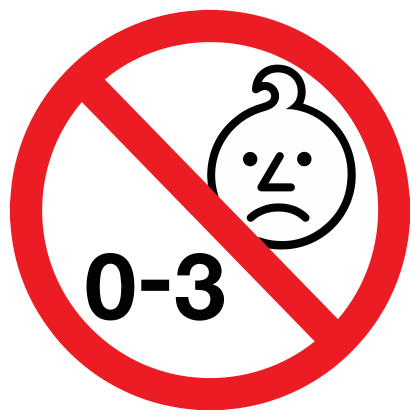
CUIDADO! Não é adequado para crianças menores de 3 anos. Contém peças pequenas que podem ser engolidas ou inaladas.