









Idioma:
Inglês

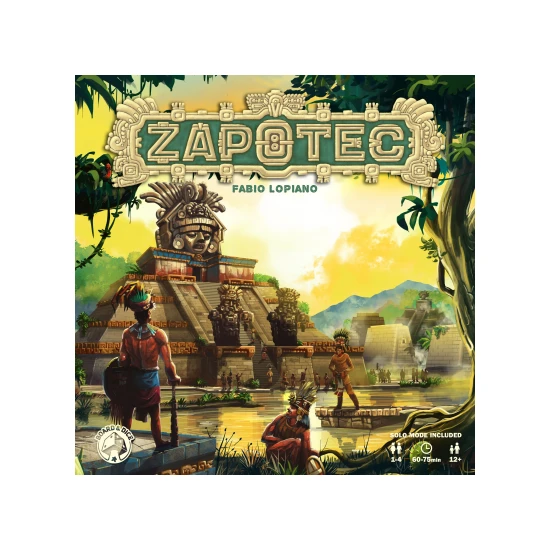
|
|
|
|
1-4
60'
12
Kein notwendiger Text im Spiel
|
Zapotec
Editora: Board&Dice
 Quer vender sua cópia deste jogo?

Use nosso mercado utrade!
Zapotec
Contate-nos
Compartilhar em
 In einem externen Lager verfügbar.
Versand in etwa 7/15 Tagen
-15%
39,94€
Preço de venda
IT
4,49€
FOTOS NO BGG
Estas fotos são propriedade de boardgamegeek.com e não se referem especificamente à edição desta página.
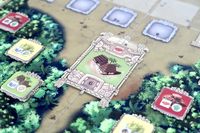
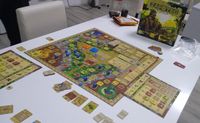
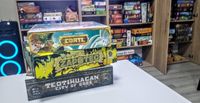
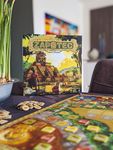
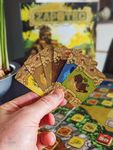
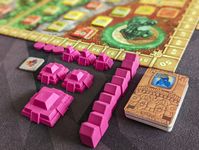
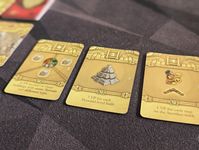
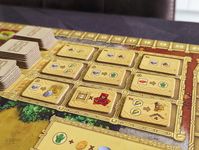
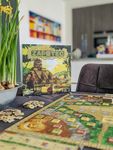
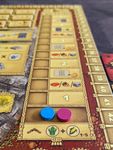
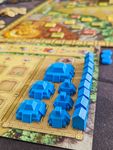
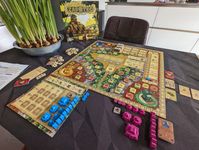
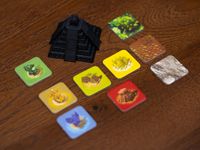
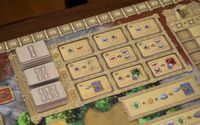
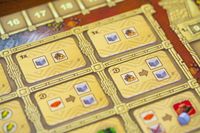
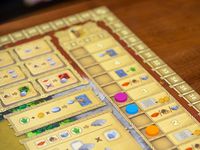
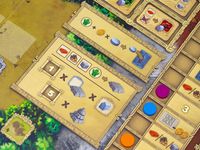
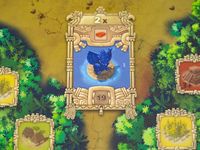
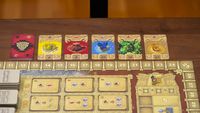
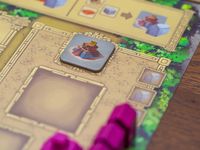
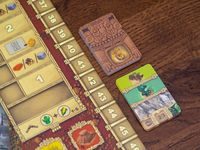
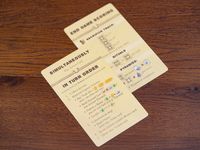
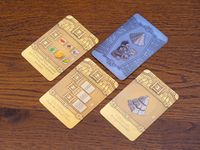
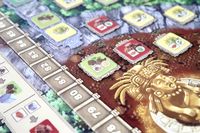
 Pacote com mangas
- 64 cartões (41.0mmx63.0mm)
- 4 cartões (70.0mmx120.0mm)


=
44,74€
Preço total
52,99€


=
44,74€
Preço total
52,99€


=
46,74€
Preço total
55,49€
 Mangas de cartas neste jogo
64 cartões de 41.0mm largura e 63.0mm de altura
2x
(50 Peças)

2x
(50 Peças)

1x
(100 Peças)

1x
(100 Peças)

1x
(100 Peças)

2x
(50 Peças)

1x
(100 Peças)

1x
(100 Peças)

2x
(50 Peças)
1x
(100 Peças)
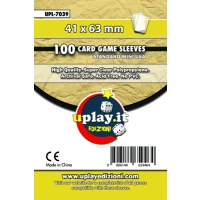
1x
(100 Peças)

2x
(50 Peças)
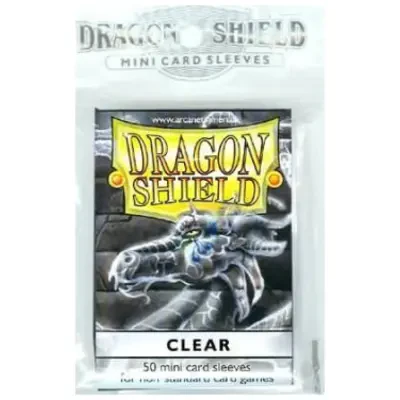
2x
(50 Peças)

1x
(110 Peças)
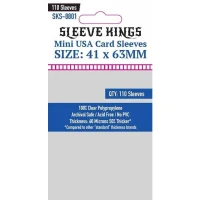
1x
(110 Peças)

2x
(55 Peças)

2x
(55 Peças)

2x
(50 Peças)
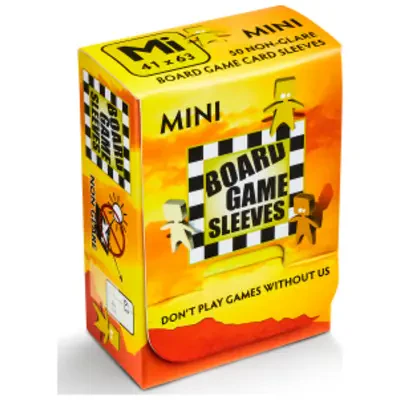
1x
(75 Peças)
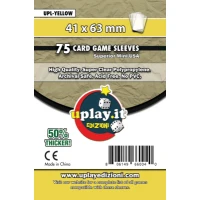
2x
(50 Peças)

1x
(75 Peças)
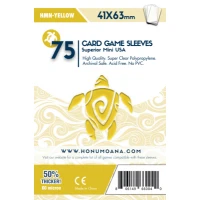
1x
(100 Peças)

2x
(50 Peças)
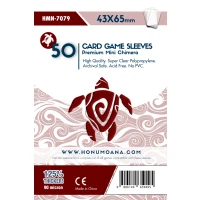
2x
(50 Peças)

1x
(110 Peças)
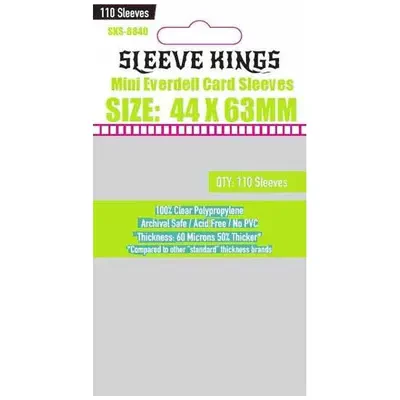
1x
(250 Peças)
1x
(100 Peças)
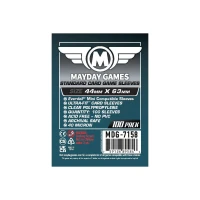
2x
(50 Peças)
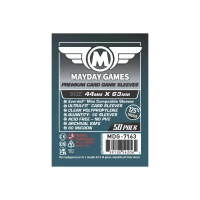
4 cartões de 70.0mm largura e 120.0mm de altura
1x
(75 Peças)
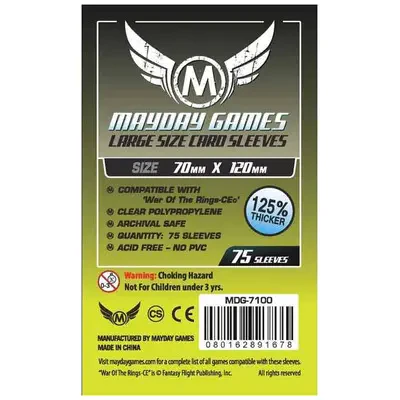
1x
(100 Peças)

1x
(100 Peças)

1x
(110 Peças)

1x
(110 Peças)

1x
(110 Peças)

1x
(50 Peças)
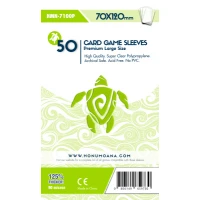
1x
(75 Peças)
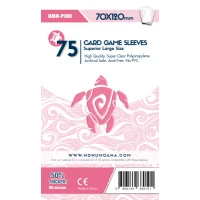
1x
(100 Peças)
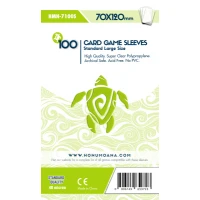
1x
(55 Peças)
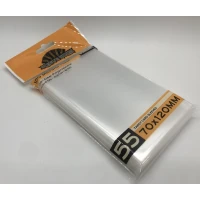
1x
(100 Peças)
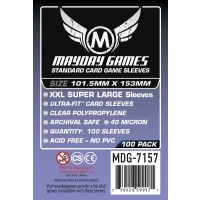
1x
(50 Peças)
1x
(100 Peças)
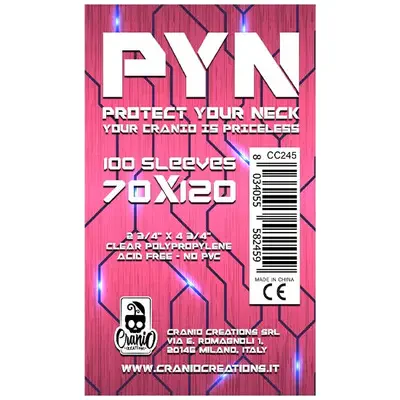
 Descrição
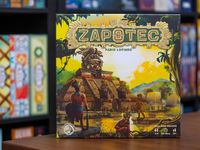
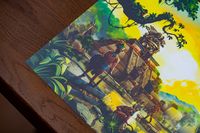
Os zapotecas foram uma civilização pré-colombiana que floresceu no Vale de Oaxaca na Mesoamérica. Evidências arqueológicas revelam que sua cultura remonta a pelo menos 2.500 anos. Restos da antiga cidade de Monte Albán na forma de edifícios, quadras de jogo de bola, tumbas magníficas e joias de ouro finamente trabalhadas testemunham essa grande civilização. Monte Albán foi uma das primeiras grandes cidades da Mesoamérica e o centro do estado zapoteca que dominou grande parte do território que hoje pertence ao estado mexicano de Oaxaca.
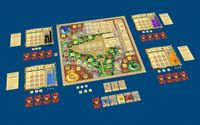
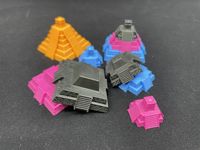
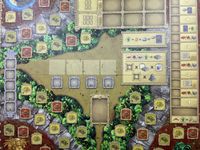
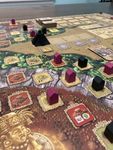
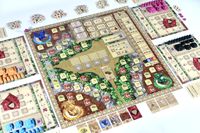
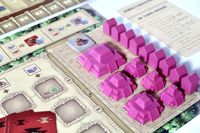
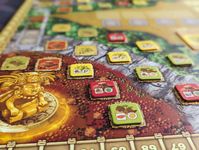
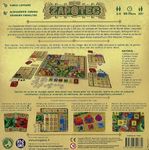
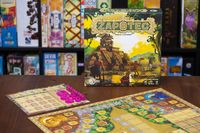
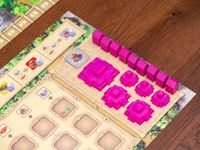
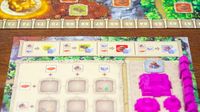
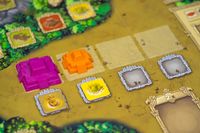
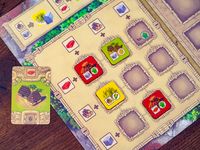
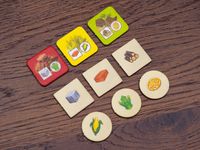
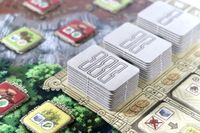
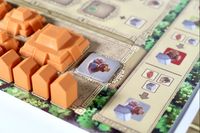
Em um jogo de Zapotec, você constrói templos, campos de milho e vilas nos três vales ao redor da capital para gerar os recursos necessários para construir pirâmides, fazer sacrifícios aos deuses e realizar rituais.
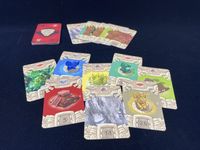
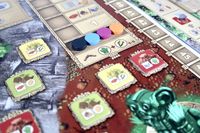
Cada rodada, os jogadores escolhem simultaneamente uma carta de sua mão para determinar a ordem de turno e os recursos que coletam. Os jogadores então realizam turnos individuais e gastam recursos para construir novas casas, ganhar acesso a habilidades especiais, fazer sacrifícios aos deuses e construir pirâmides. A carta de ação jogada determina três aspectos importantes do turno de cada jogador:
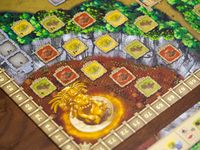
Após cinco rodadas, os jogadores marcam pontos por pirâmides, por sua posição na trilha de sacrifícios e por suas cartas de ritual. O jogador com mais pontos de vitória vence.
Em um jogo de Zapotec, você constrói templos, campos de milho e vilas nos três vales ao redor da capital para gerar os recursos necessários para construir pirâmides, fazer sacrifícios aos deuses e realizar rituais.
Cada rodada, os jogadores escolhem simultaneamente uma carta de sua mão para determinar a ordem de turno e os recursos que coletam. Os jogadores então realizam turnos individuais e gastam recursos para construir novas casas, ganhar acesso a habilidades especiais, fazer sacrifícios aos deuses e construir pirâmides. A carta de ação jogada determina três aspectos importantes do turno de cada jogador:
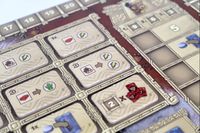
- O recurso impresso na parte superior da carta determina a linha ou coluna a ser ativada na grade de recursos para coletar renda.
- O ícone no meio da carta corresponde a uma das nove propriedades dos espaços de construção no mapa (um de três tipos de edifícios, uma de três regiões ou um de três tipos de terreno). Em seu turno, os jogadores podem construir apenas em espaços que correspondam a esse ícone.
- O número na parte inferior da carta dita a ordem de turno para a rodada quando a carta é jogada.
Após cinco rodadas, os jogadores marcam pontos por pirâmides, por sua posição na trilha de sacrifícios e por suas cartas de ritual. O jogador com mais pontos de vitória vence.
 Informações adicionais
| Mecânica: | Elaboração de cartão Gerenciamento de mãos Seleção de Ação Simultânea |
| Categorias: | Histórico Exploração |
| Nomes alternativos: | |
| BARCODE: | 6425453001178 |
| Em 2 listas de desejos Isso foi visto 3636 vezes | |
Pacote com mangas
- 64 cartões (41.0mmx63.0mm)
- 4 cartões (70.0mmx120.0mm)
=
44,74€
Preço total
52,99€
=
44,74€
Preço total
52,99€
=
46,74€
Preço total
55,49€
Descrição
Os zapotecas foram uma civilização pré-colombiana que floresceu no Vale de Oaxaca na Mesoamérica. Evidências arqueológicas revelam que sua cultura remonta a pelo menos 2.500 anos. Restos da antiga cidade de Monte Albán na forma de edifícios, quadras de jogo de bola, tumbas magníficas e joias de ouro finamente trabalhadas testemunham essa grande civilização. Monte Albán foi uma das primeiras grandes cidades da Mesoamérica e o centro do estado zapoteca que dominou grande parte do território que hoje pertence ao estado mexicano de Oaxaca.
Em um jogo de Zapotec, você constrói templos, campos de milho e vilas nos três vales ao redor da capital para gerar os recursos necessários para construir pirâmides, fazer sacrifícios aos deuses e realizar rituais.
Cada rodada, os jogadores escolhem simultaneamente uma carta de sua mão para determinar a ordem de turno e os recursos que coletam. Os jogadores então realizam turnos individuais e gastam recursos para construir novas casas, ganhar acesso a habilidades especiais, fazer sacrifícios aos deuses e construir pirâmides. A carta de ação jogada determina três aspectos importantes do turno de cada jogador:
Após cinco rodadas, os jogadores marcam pontos por pirâmides, por sua posição na trilha de sacrifícios e por suas cartas de ritual. O jogador com mais pontos de vitória vence.
Em um jogo de Zapotec, você constrói templos, campos de milho e vilas nos três vales ao redor da capital para gerar os recursos necessários para construir pirâmides, fazer sacrifícios aos deuses e realizar rituais.
Cada rodada, os jogadores escolhem simultaneamente uma carta de sua mão para determinar a ordem de turno e os recursos que coletam. Os jogadores então realizam turnos individuais e gastam recursos para construir novas casas, ganhar acesso a habilidades especiais, fazer sacrifícios aos deuses e construir pirâmides. A carta de ação jogada determina três aspectos importantes do turno de cada jogador:
- O recurso impresso na parte superior da carta determina a linha ou coluna a ser ativada na grade de recursos para coletar renda.
- O ícone no meio da carta corresponde a uma das nove propriedades dos espaços de construção no mapa (um de três tipos de edifícios, uma de três regiões ou um de três tipos de terreno). Em seu turno, os jogadores podem construir apenas em espaços que correspondam a esse ícone.
- O número na parte inferior da carta dita a ordem de turno para a rodada quando a carta é jogada.
Após cinco rodadas, os jogadores marcam pontos por pirâmides, por sua posição na trilha de sacrifícios e por suas cartas de ritual. O jogador com mais pontos de vitória vence.
Mangas de cartas neste jogo
64 cartões de 41.0mm largura e 63.0mm de altura
2x
(50 Peças)
2x
(50 Peças)
1x
(100 Peças)
1x
(100 Peças)
1x
(100 Peças)
2x
(50 Peças)
1x
(100 Peças)
1x
(100 Peças)
2x
(50 Peças)
1x
(100 Peças)
1x
(100 Peças)
2x
(50 Peças)
2x
(50 Peças)
1x
(110 Peças)
1x
(110 Peças)
2x
(55 Peças)
2x
(55 Peças)
2x
(50 Peças)
1x
(75 Peças)
2x
(50 Peças)
1x
(75 Peças)
1x
(100 Peças)
2x
(50 Peças)
2x
(50 Peças)
1x
(110 Peças)
1x
(250 Peças)
1x
(100 Peças)
2x
(50 Peças)
4 cartões de 70.0mm largura e 120.0mm de altura
1x
(75 Peças)
1x
(100 Peças)
1x
(100 Peças)
1x
(110 Peças)
1x
(110 Peças)
1x
(110 Peças)
1x
(50 Peças)
1x
(75 Peças)
1x
(100 Peças)
1x
(55 Peças)
1x
(100 Peças)
1x
(50 Peças)
1x
(100 Peças)
Informações adicionais
| Mecânica: | Elaboração de cartão Gerenciamento de mãos Seleção de Ação Simultânea |
| Categorias: | Histórico Exploração |
| Nomes alternativos: | |
| BARCODE: | 6425453001178 |
| Em 2 listas de desejos Isso foi visto 3636 vezes | |
 Frequentemente comprados juntos
O que dizem os jogadores
Avaliações dos utilizadores uplay: Ainda não há avaliações uplay. Seja o primeiro!
A sua avaliação
Os comentários são moderados antes da publicação: sem links, insultos ou conteúdo irrelevante. São aceites opiniões negativas respeitosas.
Inicie sessão para avaliar
CUIDADO! Não é adequado para crianças menores de 3 anos. Contém peças pequenas que podem ser engolidas ou inaladas.