

-
Wählen Sie die Sprache der Website
-
 Deutsch
DE
Deutsch
DE
-
 English
EN
English
EN
-
 Français
FR
Français
FR
-
 Español
ES
Español
ES
-
 Italiano
IT
Italiano
IT
-
 Polski
PL
Polski
PL
-
 Português
PT
Português
PT
-
Land, in das versendet werden soll






-
Wählen Sie die Sprache der Website
-
Deutsch
DE
-
English
EN
-
Français
FR
-
Español
ES
-
Italiano
IT
-
Polski
PL
-
Português
PT
-
Land, in das versendet werden soll


 (+39) 320 073 4588
 KONTAKTIEREN SIE UNS PER E-MAIL
-
Wählen Sie die Sprache der Website
-
Deutsch
DE
-
English
EN
-
Français
FR
-
Español
ES
-
Italiano
IT
-
Polski
PL
-
Português
PT
-
Land, in das versendet werden soll

-
Menue

-
Ränge

-
Brettspiele

-
Rollenspiel

-
Partyspiele

-
CG

-
Zubehör

-
Lego

-
Buecher

-
Comics


|
|
|
2-4
60'
8
Kein notwendiger Text im Spiel
|
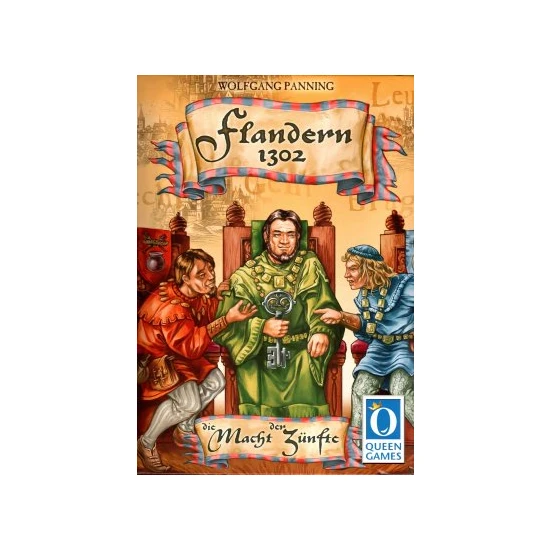
Flandern 1302
Herausgeber: Queen Games
 Möchten Sie Ihr Exemplar dieses Spiels verkaufen?

Nutzen Sie unseren Marktplatz utrade!
Flandern 1302
Kontaktieren Sie uns
Teilen auf
Der Artikel ist nicht verfügbar. Sie können die Benachrichtigung nutzen, um benachrichtigt zu werden, wenn er wieder auf Lager ist.
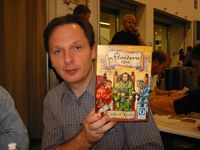
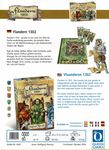
BILDER AUF BGG
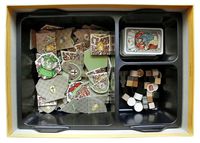
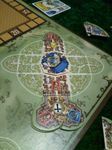
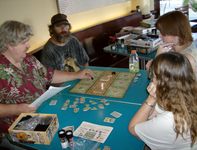
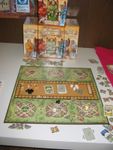
Diese Fotos sind Eigentum von boardgamegeek.com und beziehen sich nicht speziell auf die Ausgabe auf dieser Seite.









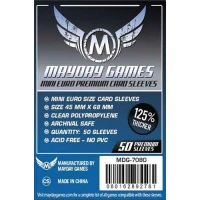
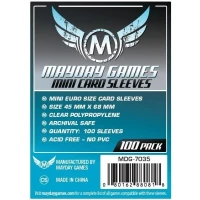
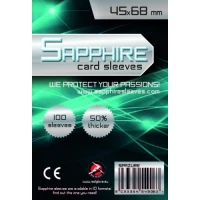
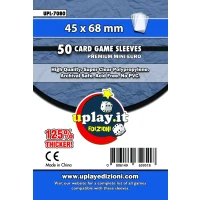
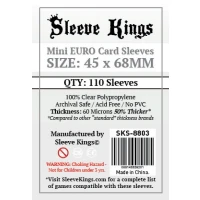
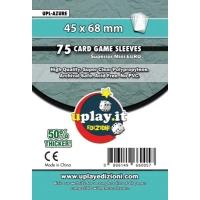
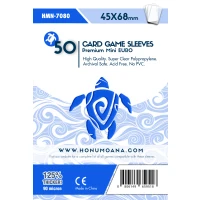
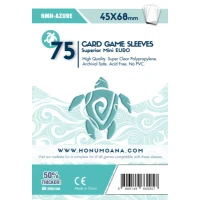
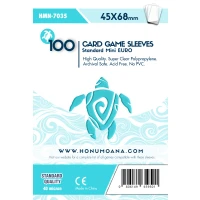
 Kartenhüllen in diesem Spiel
72 Karten mit einer Breite von 45.0mm und einer Höhe von 68.0mm
2x
(50 Stk)
1x
(100 Stk)
1x
(100 Stk)
2x
(50 Stk)
1x
(110 Stk)
2x
(55 Stk)

1x
(75 Stk)
2x
(50 Stk)
1x
(75 Stk)
1x
(100 Stk)
 Beschreibung
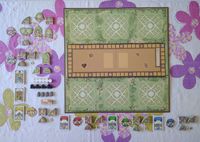
This game is about the struggle for power and influence in cities by the competing guilds of the age. Players represent one city colour & have a set of tiles in 3 shapes in your colour and a set of cards for each city plus 4 action cards. You play a card and place a tile either from your set or from the church or neutral sets. The starting player also first draws a card from a central deck which effectively gives them an extra move. Tiles of the same colour cannot touch and the church tiles allow cities to expand.
When a city is completed, it is scored. The colour with the most tiles gets the 1st score, the second colour gets half that, the next gets 4 points and the fourth colour gets 2 pts. Therefore it is possible for the neutral colour to score more points than players. The score is a total of the tiles in the city, plus one for each church, plus one for each cathedral place.
The action cards let you pick up your discards, place a tile to be fixed later, and go first twice (which are discarded). The draw deck cards can be held to score extra points at the end.
At first the game seems pedestrian, but within a few turns the possibilities become more obvious. Judicious use of the pick-up and turn order cards make a big difference. Not spreading too widely and using the neutral tiles to devalue other cities also matters.
An interesting placement game that the designer Wolfgang Panning took 2 1/2 years to complete. The choice of Flanders mattered to him because the theme is of city guilds, such as Weavers, who fought to control the cities.
 Zusätzliche Informationen
| Mechanik: | Bereichskontrolle/Bereichseinfluss Gleichzeitige Aktionsauswahl |
| Kategorien: | Mittelalterlich |
| Alternative Namen: | Flanderen 1302 Flandern 1302 Flanders 1302 Flandria 1302 Vlaanderen 1302 Flanderen 1302 Flandern 1302 Flanders 1302 Flandria 1302 Vlaanderen 1302 |
| BARCODE: | ????????? |
| In 3__PH_1__ Sammlungen Dies wurde 6239__PH_1__ Mal gesehen | |
Beschreibung
This game is about the struggle for power and influence in cities by the competing guilds of the age. Players represent one city colour & have a set of tiles in 3 shapes in your colour and a set of cards for each city plus 4 action cards. You play a card and place a tile either from your set or from the church or neutral sets. The starting player also first draws a card from a central deck which effectively gives them an extra move. Tiles of the same colour cannot touch and the church tiles allow cities to expand.
When a city is completed, it is scored. The colour with the most tiles gets the 1st score, the second colour gets half that, the next gets 4 points and the fourth colour gets 2 pts. Therefore it is possible for the neutral colour to score more points than players. The score is a total of the tiles in the city, plus one for each church, plus one for each cathedral place.
The action cards let you pick up your discards, place a tile to be fixed later, and go first twice (which are discarded). The draw deck cards can be held to score extra points at the end.
At first the game seems pedestrian, but within a few turns the possibilities become more obvious. Judicious use of the pick-up and turn order cards make a big difference. Not spreading too widely and using the neutral tiles to devalue other cities also matters.
An interesting placement game that the designer Wolfgang Panning took 2 1/2 years to complete. The choice of Flanders mattered to him because the theme is of city guilds, such as Weavers, who fought to control the cities.
Kartenhüllen in diesem Spiel
72 Karten mit einer Breite von 45.0mm und einer Höhe von 68.0mm
2x
(50 Stk)
1x
(100 Stk)
1x
(100 Stk)
2x
(50 Stk)
1x
(110 Stk)
2x
(55 Stk)
1x
(75 Stk)
2x
(50 Stk)
1x
(75 Stk)
1x
(100 Stk)
Zusätzliche Informationen
| Mechanik: | Bereichskontrolle/Bereichseinfluss Gleichzeitige Aktionsauswahl |
| Kategorien: | Mittelalterlich |
| Alternative Namen: | Flanderen 1302 Flandern 1302 Flanders 1302 Flandria 1302 Vlaanderen 1302 Flanderen 1302 Flandern 1302 Flanders 1302 Flandria 1302 Vlaanderen 1302 |
| BARCODE: | ????????? |
| In 3__PH_1__ Sammlungen Dies wurde 6239__PH_1__ Mal gesehen | |
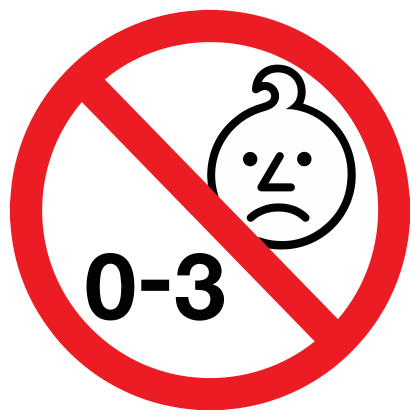
VORSICHT! Nicht für Kinder unter 3 Jahren geeignet. Es enthält Kleinteile, die verschluckt oder eingeatmet werden können.