









Language:
English
Italian
German
French
Portuguese





|
|
|
|
Best with 4 players
4 of 5 votes
Player-recommended age: 8+
5 of 6 votes
2-4
45'
10
Moderate in-game text
|
Prime Climb
Publisher: Math for Love
 Do you want to sell your copy of this game?

Use our marketplace utrade!
Prime Climb
Contact us
Share on
The item is not available, you can use the alert to be notified when it will be back in stock.
PICTURES ON BGG
These photos are the property of boardgamegeek.com and do not refer specifically to the edition on this page.




 Card sleeves in this game
28 cards of 63.5mm width and 88.0mm of height
1x
(100 Pcs)

1x
(100 Pcs)

1x
(50 Pcs)

1x
(100 Pcs)

1x
(100 Pcs)
1x
(100 Pcs)
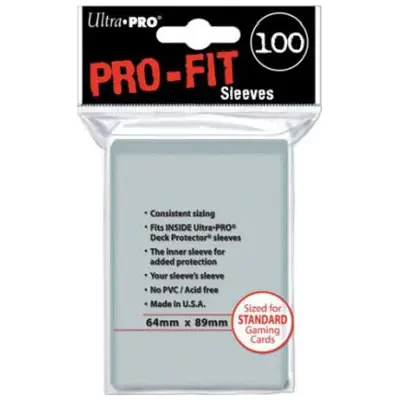
1x
(50 Pcs)

1x
(100 Pcs)

1x
(100 Pcs)
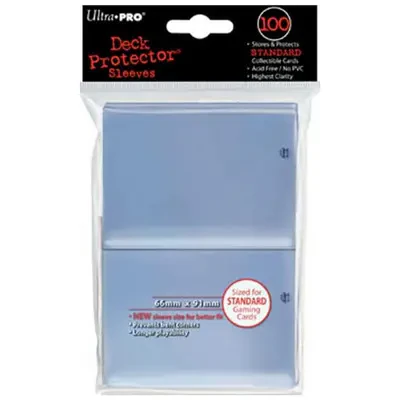
1x
(80 Pcs)
1x
(80 Pcs)
1x
(100 Pcs)

1x
(100 Pcs)
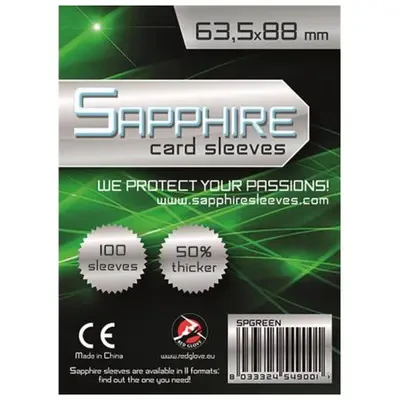
1x
(50 Pcs)
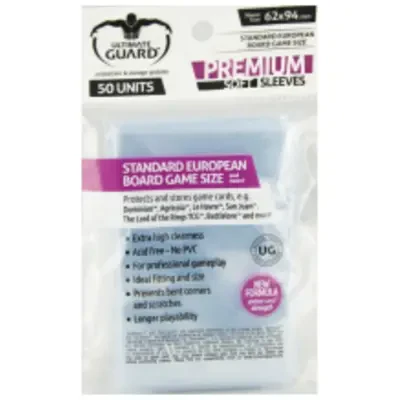
1x
(100 Pcs)

1x
(100 Pcs)
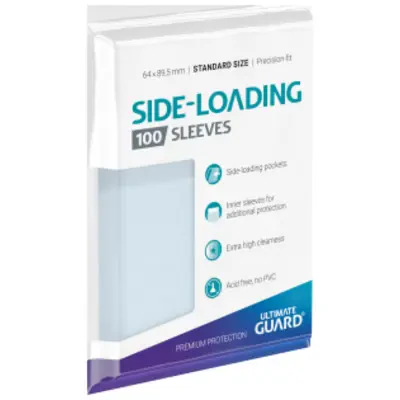
1x
(60 Pcs)
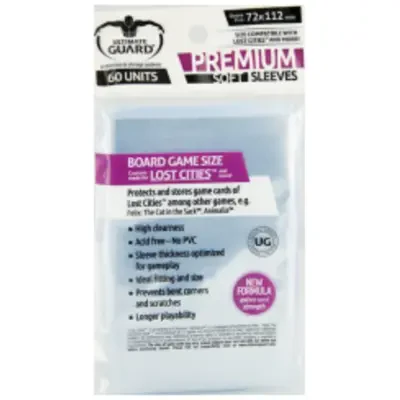
1x
(110 Pcs)
1x
(50 Pcs)
1x
(50 Pcs)

1x
(75 Pcs)
1x
(50 Pcs)
1x
(75 Pcs)
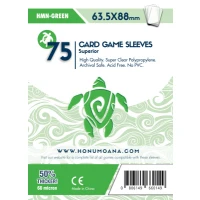
1x
(100 Pcs)
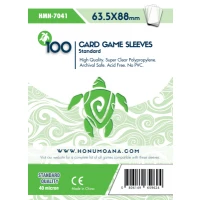
1x
(100 Pcs)

1x
(110 Pcs)
1x
(60 Pcs)
1x
(80 Pcs)

1x
(50 Pcs)
1x
(250 Pcs)
1x
(100 Pcs)

1x
(100 Pcs)

1x
(100 Pcs)
1x
(100 Pcs)
1x
(60 Pcs)

1x
(50 Pcs)

1x
(50 Pcs)
1x
(100 Pcs)

1x
(55 Pcs)
1x
(55 Pcs)
1x
(105 Pcs)
1x
(105 Pcs)
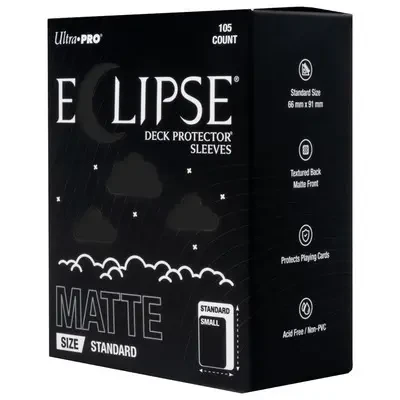
1x
(100 Pcs)
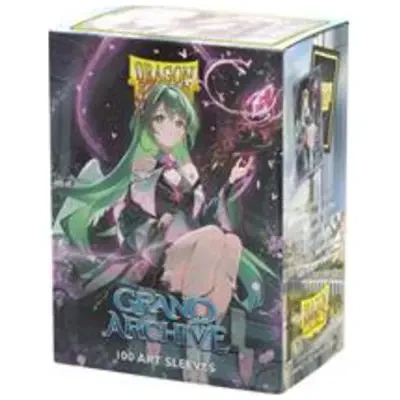
1x
(100 Pcs)

1x
(100 Pcs)
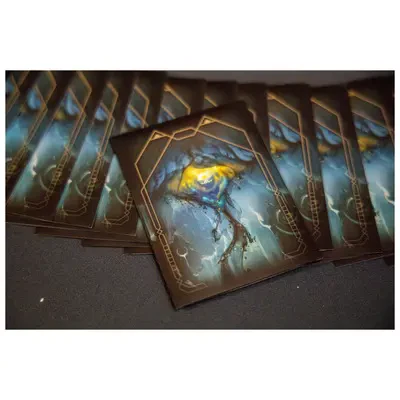
1x
(100 Pcs)

1x
(60 Pcs)
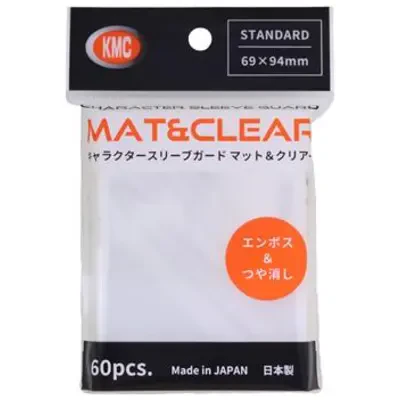
1x
(100 Pcs)
1x
(100 Pcs)
1x
(100 Pcs)

 Description
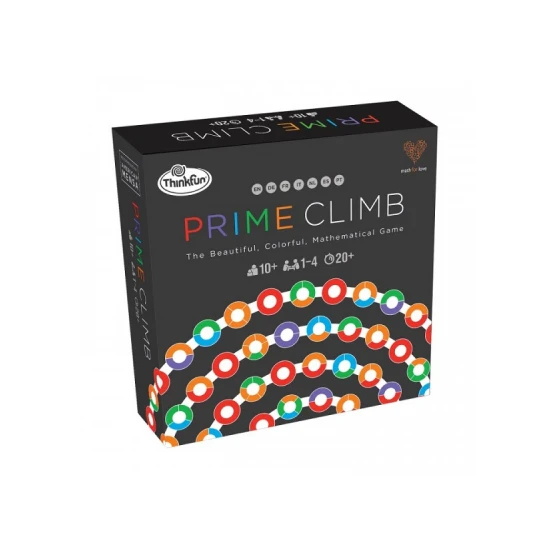
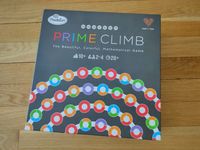
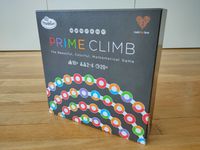
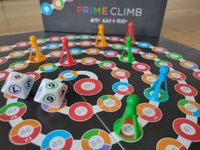
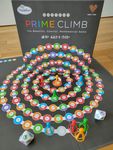
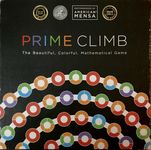
Prime Climb is a new board game that uses arithmetic to open a beautiful world of possibility. Players race to be the first to get to the center of the board while avoiding getting knocked back to the start by other players. Highlighting the power of the prime numbers, Prime Climb is mathematical, deep, creative, and fun.
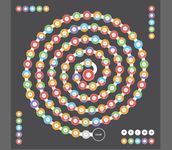
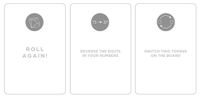
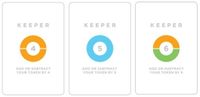
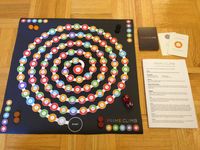
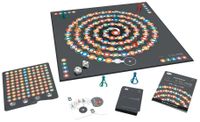
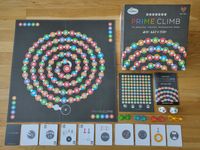
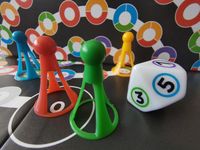
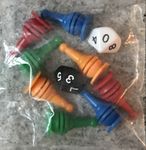
Each player controls two pawns that start at the 0 circle. Players take turns rolling two 10-sided dice and applying the values to their two pawns using any of the four basic arithmetic operations: addition, subtraction, multiplication, and division. The first to get both pawns into the 101 circle exactly wins the game! Be careful: if another player lands on you, you get sent back to the start. Along the way, players who land on the red circles collect Prime cards—some are helpful now, some are helpful later, and a few are trouble!
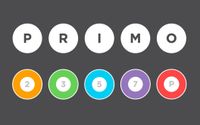
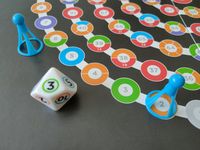
One of the great innovations of Prime Climb is the coloring scheme. Each of the prime numbers less than 10 has its own color: 2 is orange, 3 is green, 5 is blue, and 7 is purple. After 10, each prime number is red. Any number that is not a prime is a mix of colors that corresponds to its prime factors. For example, 14 = 2 x 7, so the 14 circle is half orange and half purple.
The color coding allows players a way to quickly analyze the factors and multiples of the numbers on the board. This helps players check their multiplication and division, and even allows kids who haven't yet learned multiplication to play the game.
Each player controls two pawns that start at the 0 circle. Players take turns rolling two 10-sided dice and applying the values to their two pawns using any of the four basic arithmetic operations: addition, subtraction, multiplication, and division. The first to get both pawns into the 101 circle exactly wins the game! Be careful: if another player lands on you, you get sent back to the start. Along the way, players who land on the red circles collect Prime cards—some are helpful now, some are helpful later, and a few are trouble!
One of the great innovations of Prime Climb is the coloring scheme. Each of the prime numbers less than 10 has its own color: 2 is orange, 3 is green, 5 is blue, and 7 is purple. After 10, each prime number is red. Any number that is not a prime is a mix of colors that corresponds to its prime factors. For example, 14 = 2 x 7, so the 14 circle is half orange and half purple.
The color coding allows players a way to quickly analyze the factors and multiples of the numbers on the board. This helps players check their multiplication and division, and even allows kids who haven't yet learned multiplication to play the game.
 Additional information
| Mechanics: | Dice Rolling |
| Categories: | Educational Strategy |
| Alternative names: | |
| BARCODE: | 4005556764297 |
| In 1 collection This was seen 6977 times | |
Description
Prime Climb is a new board game that uses arithmetic to open a beautiful world of possibility. Players race to be the first to get to the center of the board while avoiding getting knocked back to the start by other players. Highlighting the power of the prime numbers, Prime Climb is mathematical, deep, creative, and fun.
Each player controls two pawns that start at the 0 circle. Players take turns rolling two 10-sided dice and applying the values to their two pawns using any of the four basic arithmetic operations: addition, subtraction, multiplication, and division. The first to get both pawns into the 101 circle exactly wins the game! Be careful: if another player lands on you, you get sent back to the start. Along the way, players who land on the red circles collect Prime cards—some are helpful now, some are helpful later, and a few are trouble!
One of the great innovations of Prime Climb is the coloring scheme. Each of the prime numbers less than 10 has its own color: 2 is orange, 3 is green, 5 is blue, and 7 is purple. After 10, each prime number is red. Any number that is not a prime is a mix of colors that corresponds to its prime factors. For example, 14 = 2 x 7, so the 14 circle is half orange and half purple.
The color coding allows players a way to quickly analyze the factors and multiples of the numbers on the board. This helps players check their multiplication and division, and even allows kids who haven't yet learned multiplication to play the game.
Each player controls two pawns that start at the 0 circle. Players take turns rolling two 10-sided dice and applying the values to their two pawns using any of the four basic arithmetic operations: addition, subtraction, multiplication, and division. The first to get both pawns into the 101 circle exactly wins the game! Be careful: if another player lands on you, you get sent back to the start. Along the way, players who land on the red circles collect Prime cards—some are helpful now, some are helpful later, and a few are trouble!
One of the great innovations of Prime Climb is the coloring scheme. Each of the prime numbers less than 10 has its own color: 2 is orange, 3 is green, 5 is blue, and 7 is purple. After 10, each prime number is red. Any number that is not a prime is a mix of colors that corresponds to its prime factors. For example, 14 = 2 x 7, so the 14 circle is half orange and half purple.
The color coding allows players a way to quickly analyze the factors and multiples of the numbers on the board. This helps players check their multiplication and division, and even allows kids who haven't yet learned multiplication to play the game.
Card sleeves in this game
28 cards of 63.5mm width and 88.0mm of height
1x
(100 Pcs)
1x
(100 Pcs)
1x
(50 Pcs)
1x
(100 Pcs)
1x
(100 Pcs)
1x
(100 Pcs)
1x
(50 Pcs)
1x
(100 Pcs)
1x
(100 Pcs)
1x
(80 Pcs)
1x
(80 Pcs)
1x
(100 Pcs)
1x
(100 Pcs)
1x
(50 Pcs)
1x
(100 Pcs)
1x
(100 Pcs)
1x
(60 Pcs)
1x
(110 Pcs)
1x
(50 Pcs)
1x
(50 Pcs)
1x
(75 Pcs)
1x
(50 Pcs)
1x
(75 Pcs)
1x
(100 Pcs)
1x
(100 Pcs)
1x
(110 Pcs)
1x
(60 Pcs)
1x
(80 Pcs)
1x
(50 Pcs)
1x
(250 Pcs)
1x
(100 Pcs)
1x
(100 Pcs)
1x
(100 Pcs)
1x
(100 Pcs)
1x
(60 Pcs)
1x
(50 Pcs)
1x
(50 Pcs)
1x
(100 Pcs)
1x
(55 Pcs)
1x
(55 Pcs)
1x
(105 Pcs)
1x
(105 Pcs)
1x
(100 Pcs)
1x
(100 Pcs)
1x
(100 Pcs)
1x
(100 Pcs)
1x
(60 Pcs)
1x
(100 Pcs)
1x
(100 Pcs)
1x
(100 Pcs)
Additional information
| Mechanics: | Dice Rolling |
| Categories: | Educational Strategy |
| Alternative names: | |
| BARCODE: | 4005556764297 |
| In 1 collection This was seen 6977 times | |
What players say
How many players it plays best with · 5 votes on BoardGameGeek
- 1 0 0 say it plays best, 1 recommend it, 3 do not recommend it
- 2 1 1 say it plays best, 1 recommend it, 3 do not recommend it
- 3 1 1 say it plays best, 3 recommend it, 0 do not recommend it
- 4 4 4 say it plays best, 1 recommend it, 0 do not recommend it
- 4+ 0 0 say it plays best, 0 recommend it, 4 do not recommend it
Best Suggested Not recommended
uplay user ratings: No uplay reviews yet. Be the first!
Your review
Comments are moderated before publication: no links, insults or unrelated content. Respectful negative opinions are welcome.
Sign in to review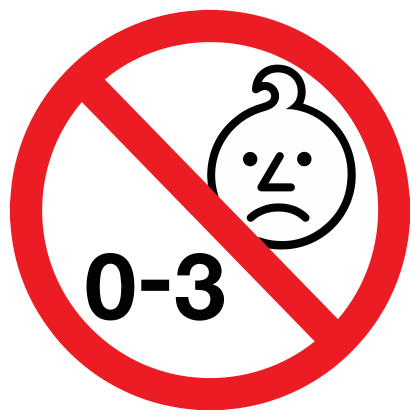
CAUTION! Not suitable for children under 3 years of age. It contains small parts which could be swallowed or inhaled.