









Language:
English
Italian
German
French
Spanish





+2
Dutch
Japanese

|
|
|
|
Best with 5 players
171 of 257 votes
Player-recommended age: 12+
29 of 58 votes
3-5
150'
12
No necessary in-game text
|
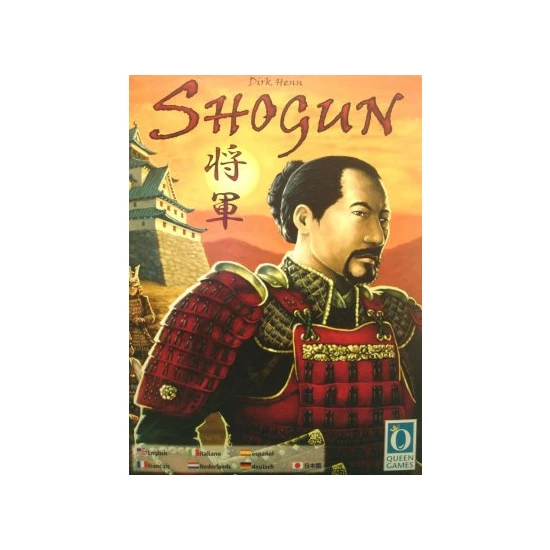
Shogun (Vecchia Edizione)
Publisher: Queen Games
 Do you want to sell your copy of this game?

Use our marketplace utrade!
Shogun (Vecchia Edizione)
Contact us
Share on
The item is not available, you can use the alert to be notified when it will be back in stock.
PICTURES ON BGG
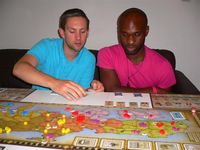
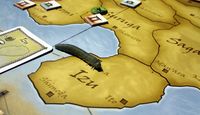
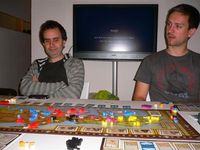
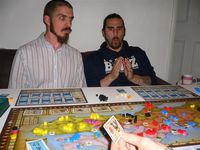
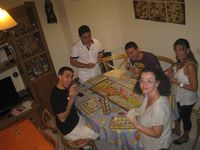
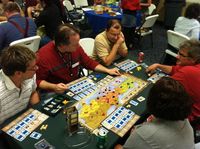
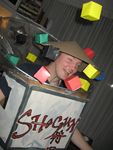
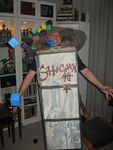
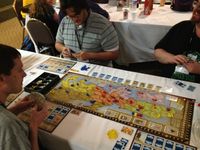
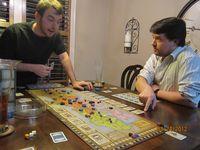
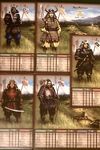
These photos are the property of boardgamegeek.com and do not refer specifically to the edition on this page.





























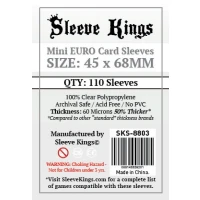
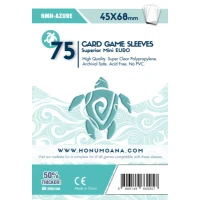
 Card sleeves in this game
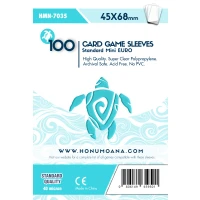
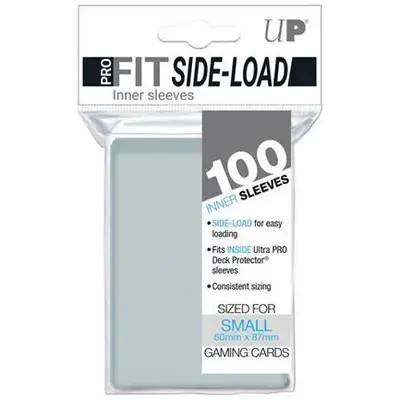
110 cards of 45.0mm width and 68.0mm of height
3x
(50 Pcs)

2x
(100 Pcs)

2x
(100 Pcs)

3x
(50 Pcs)

2x
(100 Pcs)

3x
(50 Pcs)
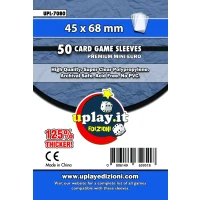
1x
(110 Pcs)
3x
(50 Pcs)

2x
(75 Pcs)

2x
(75 Pcs)
2x
(100 Pcs)
2x
(55 Pcs)
2x
(100 Pcs)
 Description
Shogun is based on the Wallenstein (first edition) game system. The game is set in the Sengoku period (approx 1467-1573) which ends with the inception of the well-known Tokugawa Shogunate.
The game is an international edition with language-independent components and five language-dependent rule booklets.
Japan during the Sengoku or “Warring States” Period: each player assumes the role of a great Daimyo with all his troops. Each Daimyo has the same 10 possible actions to develop his kingdom and secure points. To do so he must deploy his armies with great skill. Each round, the players decide which of the actions are to be played out and in which of their provinces. If battle ensues between opposing armies, the unique Cubetower plays the leading role. The troops from both sides are thrown in together and the cubes that fall out at the bottom show who has won immediately. Owning provinces, temples, theaters, and castles means points when scores are tallied. Whichever Daimyo has the highest number of points after the second tally becomes – SHOGUN!
Re-implements:
The game is an international edition with language-independent components and five language-dependent rule booklets.
Japan during the Sengoku or “Warring States” Period: each player assumes the role of a great Daimyo with all his troops. Each Daimyo has the same 10 possible actions to develop his kingdom and secure points. To do so he must deploy his armies with great skill. Each round, the players decide which of the actions are to be played out and in which of their provinces. If battle ensues between opposing armies, the unique Cubetower plays the leading role. The troops from both sides are thrown in together and the cubes that fall out at the bottom show who has won immediately. Owning provinces, temples, theaters, and castles means points when scores are tallied. Whichever Daimyo has the highest number of points after the second tally becomes – SHOGUN!
Re-implements:
- Wallenstein (first edition)
 Additional information
| Mechanics: | Variable Phase Order Simultaneous Action Selection Area Control/Area Influence |
| Categories: | War Economic |
| Alternative names: | Shogun Szogun 쇼군 Shogun Szogun 쇼군 |
| BARCODE: | NOEAN_120 |
| In 24 wishlists In 42 collections This was seen 10825 times | |
Description
Shogun is based on the Wallenstein (first edition) game system. The game is set in the Sengoku period (approx 1467-1573) which ends with the inception of the well-known Tokugawa Shogunate.
The game is an international edition with language-independent components and five language-dependent rule booklets.
Japan during the Sengoku or “Warring States” Period: each player assumes the role of a great Daimyo with all his troops. Each Daimyo has the same 10 possible actions to develop his kingdom and secure points. To do so he must deploy his armies with great skill. Each round, the players decide which of the actions are to be played out and in which of their provinces. If battle ensues between opposing armies, the unique Cubetower plays the leading role. The troops from both sides are thrown in together and the cubes that fall out at the bottom show who has won immediately. Owning provinces, temples, theaters, and castles means points when scores are tallied. Whichever Daimyo has the highest number of points after the second tally becomes – SHOGUN!
Re-implements:
The game is an international edition with language-independent components and five language-dependent rule booklets.
Japan during the Sengoku or “Warring States” Period: each player assumes the role of a great Daimyo with all his troops. Each Daimyo has the same 10 possible actions to develop his kingdom and secure points. To do so he must deploy his armies with great skill. Each round, the players decide which of the actions are to be played out and in which of their provinces. If battle ensues between opposing armies, the unique Cubetower plays the leading role. The troops from both sides are thrown in together and the cubes that fall out at the bottom show who has won immediately. Owning provinces, temples, theaters, and castles means points when scores are tallied. Whichever Daimyo has the highest number of points after the second tally becomes – SHOGUN!
Re-implements:
- Wallenstein (first edition)
Card sleeves in this game
110 cards of 45.0mm width and 68.0mm of height
3x
(50 Pcs)
2x
(100 Pcs)
2x
(100 Pcs)
3x
(50 Pcs)
2x
(100 Pcs)
3x
(50 Pcs)
1x
(110 Pcs)
3x
(50 Pcs)
2x
(75 Pcs)
2x
(75 Pcs)
2x
(100 Pcs)
2x
(55 Pcs)
2x
(100 Pcs)
Additional information
| Mechanics: | Variable Phase Order Simultaneous Action Selection Area Control/Area Influence |
| Categories: | War Economic |
| Alternative names: | Shogun Szogun 쇼군 Shogun Szogun 쇼군 |
| BARCODE: | NOEAN_120 |
| In 24 wishlists In 42 collections This was seen 10825 times | |
What players say
How many players it plays best with · 257 votes on BoardGameGeek
- 1 0 0 say it plays best, 1 recommend it, 141 do not recommend it
- 2 1 1 say it plays best, 13 recommend it, 136 do not recommend it
- 3 20 20 say it plays best, 124 recommend it, 67 do not recommend it
- 4 124 124 say it plays best, 107 recommend it, 3 do not recommend it
- 5 171 171 say it plays best, 58 recommend it, 7 do not recommend it
- 5+ 0 0 say it plays best, 0 recommend it, 99 do not recommend it
Best Suggested Not recommended
uplay user ratings: No uplay reviews yet. Be the first!
Your review
Comments are moderated before publication: no links, insults or unrelated content. Respectful negative opinions are welcome.
Sign in to review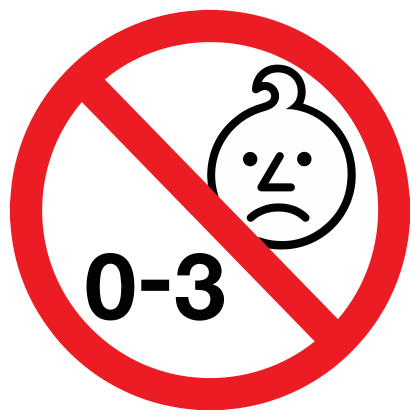
CAUTION! Not suitable for children under 3 years of age. It contains small parts which could be swallowed or inhaled.