

-
Escolha o idioma do site
-
 Deutsch
DE
Deutsch
DE
-
 English
EN
English
EN
-
 Français
FR
Français
FR
-
 Español
ES
Español
ES
-
 Italiano
IT
Italiano
IT
-
 Polski
PL
Polski
PL
-
 Português
PT
Português
PT
-
País para onde enviar






-
Escolha o idioma do site
-
Deutsch
DE
-
English
EN
-
Français
FR
-
Español
ES
-
Italiano
IT
-
Polski
PL
-
Português
PT
-
País para onde enviar


 (+39) 320 073 4588
 ENTRE EM CONTATO CONOSCO VIA E-MAIL
-
Escolha o idioma do site
-
Deutsch
DE
-
English
EN
-
Français
FR
-
Español
ES
-
Italiano
IT
-
Polski
PL
-
Português
PT
-
País para onde enviar

-
Cardápio

-
Classificações

-
Jogo de tabuleiro

-
RPG

-
Party

-
CG

-
Acessórios

-
Lego

-
Livro

-
Quadrinhos


|
|
|
|
3-8
30'
7
Nenhum texto necessário no jogo
|
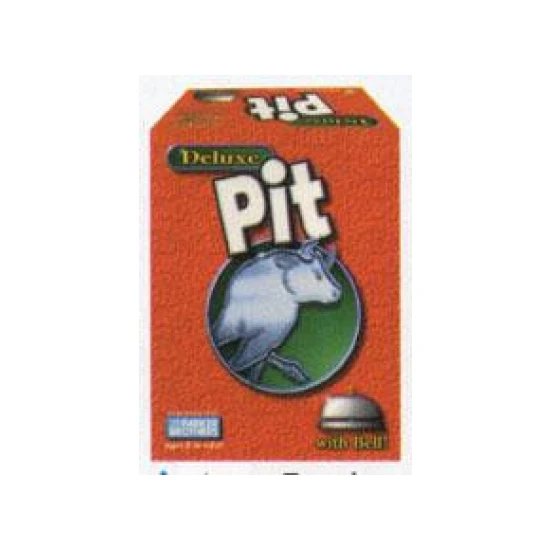
Deluxe Pit
Editora: Hasbro

 Quer vender sua cópia deste jogo?

Use nosso mercado utrade!
Deluxe Pit

FOTOS NO BGG
Estas fotos são propriedade de boardgamegeek.com e não se referem especificamente à edição desta página.















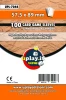
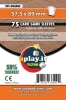
 Pacote com mangas
- 74__PH_1__ cartões (57.0mm__PH_3__x__PH_4__89.0mm__PH_5__)
=
23,42€
Preço total
2,80€
=
23,42€
Preço total
2,80€
=
25,94€
Preço total
5,60€
 Mangas de cartas neste jogo
74 cartões de 57.0mm largura e 89.0mm de altura
2x
(50 Peças)
2x
(50 Peças)
1x
(100 Peças)
1x
(100 Peças)
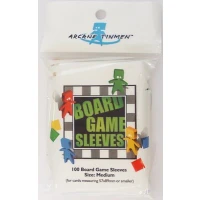
1x
(100 Peças)
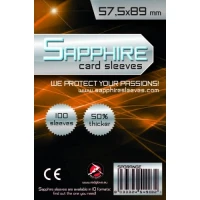
1x
(100 Peças)
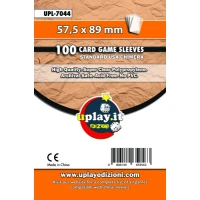
1x
(110 Peças)
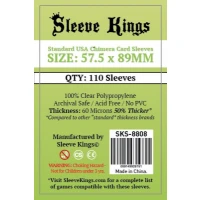
2x
(55 Peças)

1x
(75 Peças)
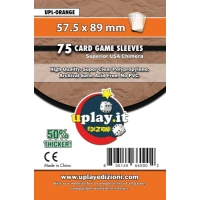
2x
(50 Peças)
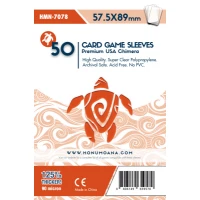
1x
(75 Peças)
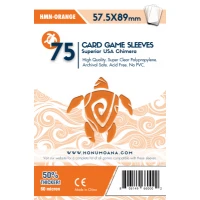
1x
(100 Peças)
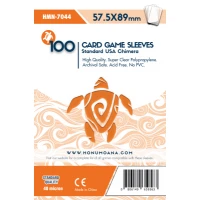
 Descrição
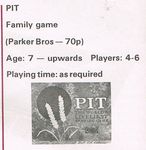
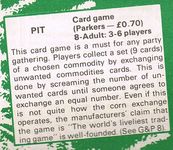
Pit is an open-outcry commodity trading game. The first edition in 1903 had a deck of 63 cards, 9 each of 7 commodities, each with a value (ranging from 40 for Flax to 100 for Wheat). Players offer trades by crying out the number of cards they want to swap (“One! One! One!”, or “Three! Three! Three!”) but not their identity. The winner of the hand is the first to collect all of one commodity, declaring “Corner on Wheat!” or whatever commodity has been collected. The winner of the hand scores points equal to the value of the commodity, and the winner of the game is the first to 500 points.
The 1904 Edition of Pit added much fancier artwork and the famous Bull and Bear cards, which provide wild-card and penalty features. The early editions allowed a maximum of 7 players, but later versions supported 8 and in at least one case up to 10.
Pit’s designer, noted psychic Edgar Cayce, is often accused of having stolen the idea from the game Gavitt’s Stock Exchange (G-S-E) invented by Harry Gavitt. While G-S-E claimed patents dating as early as 1896, it involved trading railway shares, and was only copyrighted and published in 1903, the same year as Pit. In addition, the only related patent assigned to Gavitt is US746492 A, filed October 7, 1903, and granted December 8, 1903. Also hitting the market in 1903 was Bourse, a remarkably similar open-outcry commodity trading game from Flinch Card Co., using an 80-card deck with 10 each of 8 commodities, and Panic, using a 65 card deck with 8 each of 8 commodities and a Panic card, roughly equivalent to the Bull. Pit, however, seems to have cornered the market on open-outcry games, as neither of its competitors were seen again after 1904.
 Informações adicionais
| Mecânica: | Coleção de conjuntos Negociação |
| Categorias: | Jogos de cartas Econômico Jogo de festa Em tempo real |
| Nomes alternativos: | Ben 10 Pit Billionaire Business Cambio Classic Pit Deluxe Pit Ding! Gavitt's Stock Exchange Get Rich Quick La Feria de las Pulgas de Titirilquén NO AGENDA: the Card Game Pit Pit: The Greatest of all Party Games Quick 7 Trading Pitt Zaster Αγελαδοπάζαρο カードゲーム ピット デラックス ピット 핏 딜럭스 |
| BARCODE: | 714043010192 |
| O item está no carrinho 1__PH_1__ Isso foi visto 1094__PH_1__ vezes | |
Pacote com mangas
- 74__PH_1__ cartões (57.0mm__PH_3__x__PH_4__89.0mm__PH_5__)
=
23,42€
Preço total
2,80€
=
23,42€
Preço total
2,80€
=
25,94€
Preço total
5,60€
Descrição
Pit is an open-outcry commodity trading game. The first edition in 1903 had a deck of 63 cards, 9 each of 7 commodities, each with a value (ranging from 40 for Flax to 100 for Wheat). Players offer trades by crying out the number of cards they want to swap (“One! One! One!”, or “Three! Three! Three!”) but not their identity. The winner of the hand is the first to collect all of one commodity, declaring “Corner on Wheat!” or whatever commodity has been collected. The winner of the hand scores points equal to the value of the commodity, and the winner of the game is the first to 500 points.
The 1904 Edition of Pit added much fancier artwork and the famous Bull and Bear cards, which provide wild-card and penalty features. The early editions allowed a maximum of 7 players, but later versions supported 8 and in at least one case up to 10.
Pit’s designer, noted psychic Edgar Cayce, is often accused of having stolen the idea from the game Gavitt’s Stock Exchange (G-S-E) invented by Harry Gavitt. While G-S-E claimed patents dating as early as 1896, it involved trading railway shares, and was only copyrighted and published in 1903, the same year as Pit. In addition, the only related patent assigned to Gavitt is US746492 A, filed October 7, 1903, and granted December 8, 1903. Also hitting the market in 1903 was Bourse, a remarkably similar open-outcry commodity trading game from Flinch Card Co., using an 80-card deck with 10 each of 8 commodities, and Panic, using a 65 card deck with 8 each of 8 commodities and a Panic card, roughly equivalent to the Bull. Pit, however, seems to have cornered the market on open-outcry games, as neither of its competitors were seen again after 1904.
Mangas de cartas neste jogo
74 cartões de 57.0mm largura e 89.0mm de altura
2x
(50 Peças)
2x
(50 Peças)
1x
(100 Peças)
1x
(100 Peças)
1x
(100 Peças)
1x
(100 Peças)
1x
(110 Peças)
2x
(55 Peças)
1x
(75 Peças)
2x
(50 Peças)
1x
(75 Peças)
1x
(100 Peças)
Informações adicionais
| Mecânica: | Coleção de conjuntos Negociação |
| Categorias: | Jogos de cartas Econômico Jogo de festa Em tempo real |
| Nomes alternativos: | Ben 10 Pit Billionaire Business Cambio Classic Pit Deluxe Pit Ding! Gavitt's Stock Exchange Get Rich Quick La Feria de las Pulgas de Titirilquén NO AGENDA: the Card Game Pit Pit: The Greatest of all Party Games Quick 7 Trading Pitt Zaster Αγελαδοπάζαρο カードゲーム ピット デラックス ピット 핏 딜럭스 |
| BARCODE: | 714043010192 |
| O item está no carrinho 1__PH_1__ Isso foi visto 1094__PH_1__ vezes | |

CUIDADO! Não é adequado para crianças menores de 3 anos. Contém peças pequenas que podem ser engolidas ou inaladas.