

Idioma:
Inglês

|
|
|
|
Melhor com 3 jogadores
82 votos de 91
Idade recomendada pelos jogadores: 16+
6 votos de 14
2-3
240'
12
Algum texto necessário
|
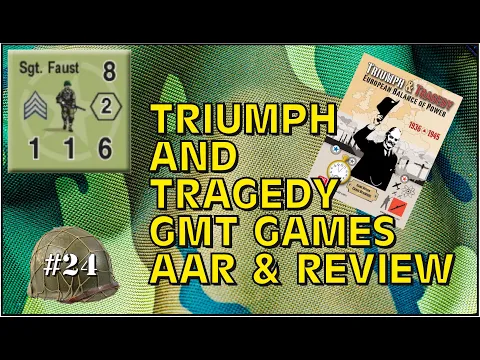
Triumph and Tragedy
Editora: GMT Games
 Quer vender sua cópia deste jogo?

Use nosso mercado utrade!
Triumph and Tragedy
Contate-nos
Compartilhar em
O item não está disponível, você pode usar o alerta para ser avisado quando ele estiver novamente em estoque.
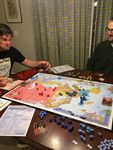
FOTOS NO BGG
Estas fotos são propriedade de boardgamegeek.com e não se referem especificamente à edição desta página.


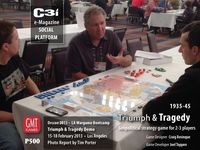
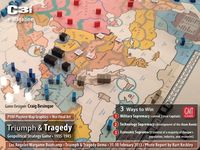

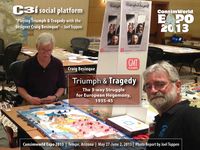
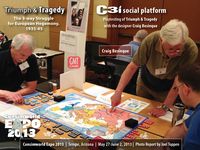






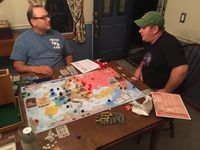
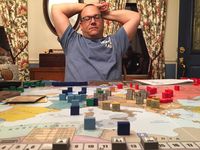


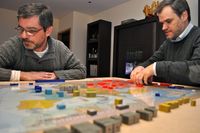
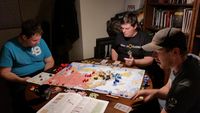



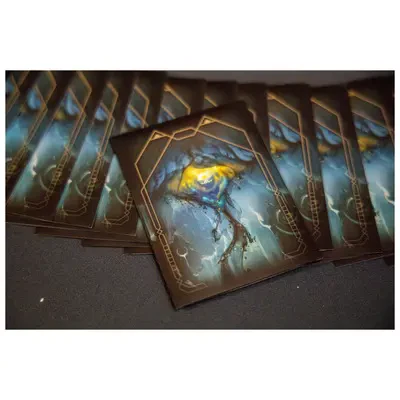
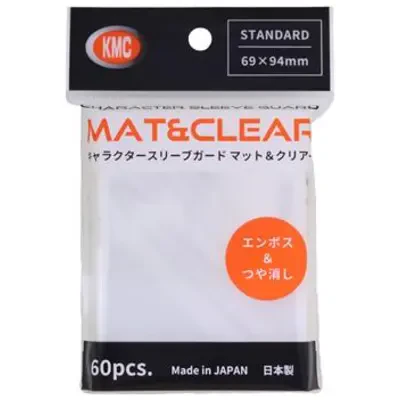
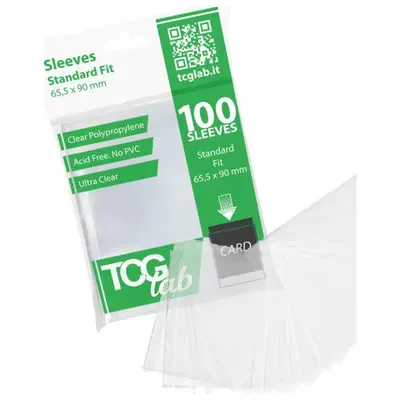
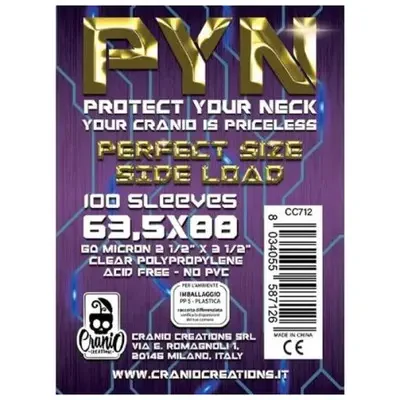
 Mangas de cartas neste jogo
110 cartões de 63.5mm largura e 88.0mm de altura
2x
(100 Peças)

2x
(100 Peças)

3x
(50 Peças)

2x
(100 Peças)

2x
(100 Peças)
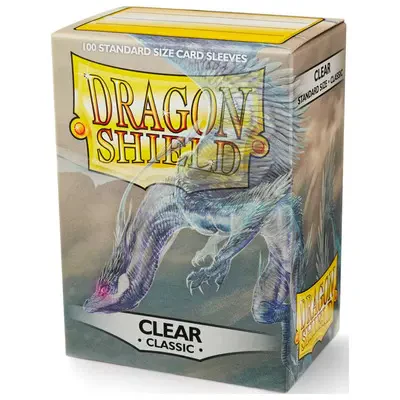
2x
(100 Peças)
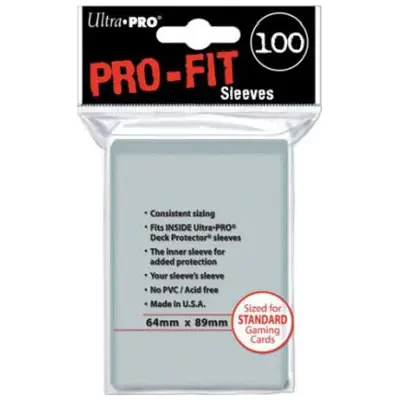
3x
(50 Peças)

2x
(100 Peças)

2x
(100 Peças)
2x
(80 Peças)
2x
(80 Peças)
2x
(100 Peças)

2x
(100 Peças)
3x
(50 Peças)
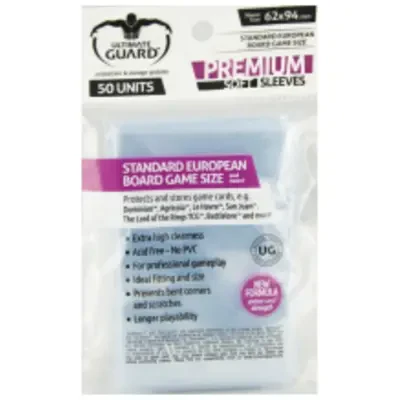
2x
(100 Peças)

2x
(100 Peças)

2x
(60 Peças)
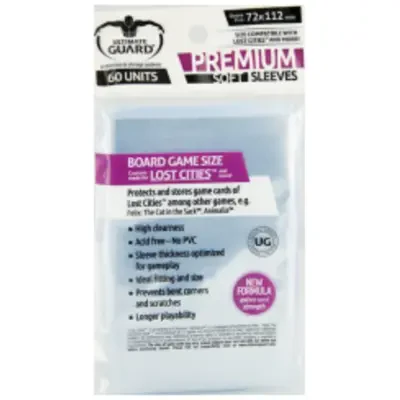
1x
(110 Peças)
3x
(50 Peças)
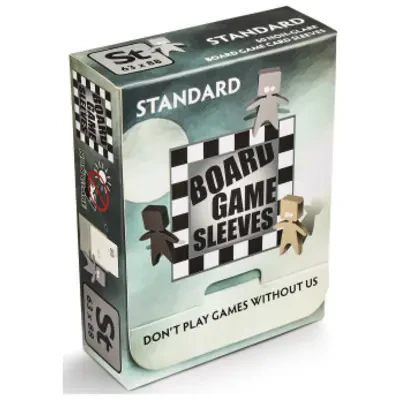
3x
(50 Peças)

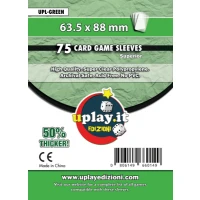
2x
(75 Peças)
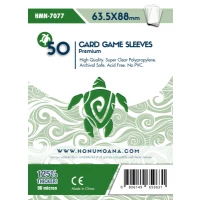
3x
(50 Peças)
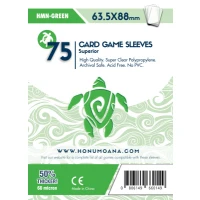
2x
(75 Peças)
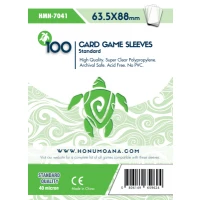
2x
(100 Peças)
2x
(100 Peças)

1x
(110 Peças)
2x
(60 Peças)
2x
(80 Peças)

3x
(50 Peças)
1x
(250 Peças)
2x
(100 Peças)
2x
(100 Peças)

2x
(100 Peças)

2x
(100 Peças)

2x
(60 Peças)
3x
(50 Peças)

3x
(50 Peças)
2x
(100 Peças)
2x
(55 Peças)
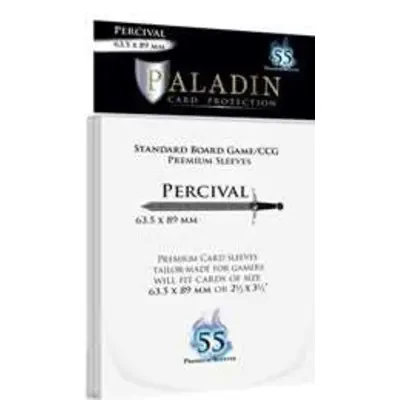
2x
(55 Peças)
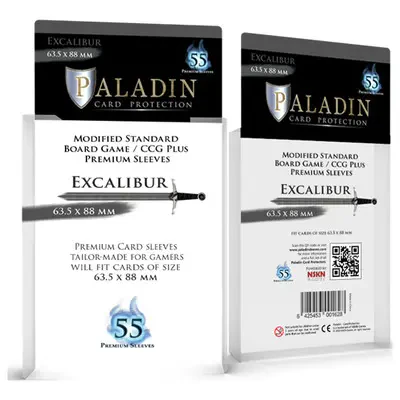
2x
(105 Peças)

2x
(105 Peças)

2x
(100 Peças)
2x
(100 Peças)
2x
(100 Peças)
2x
(100 Peças)

2x
(60 Peças)
2x
(100 Peças)

2x
(100 Peças)
2x
(100 Peças)
 Descrição
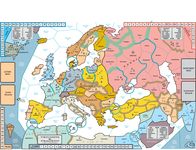
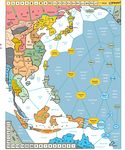
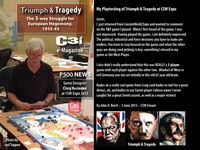
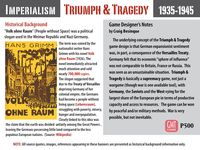
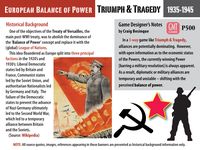
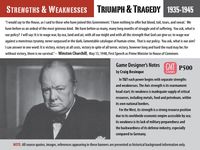
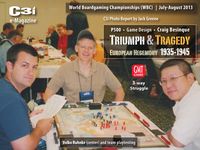
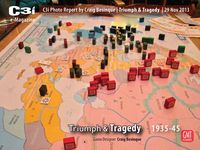
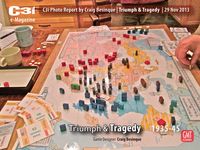
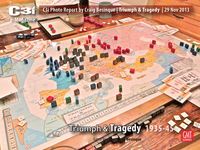
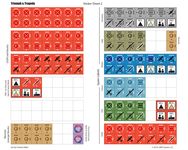
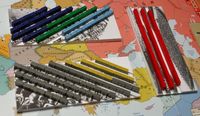
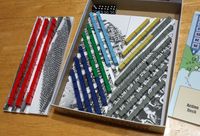
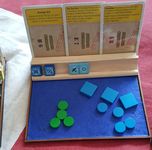
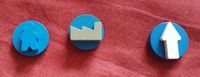
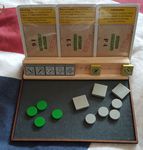
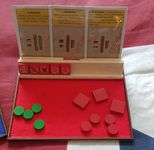
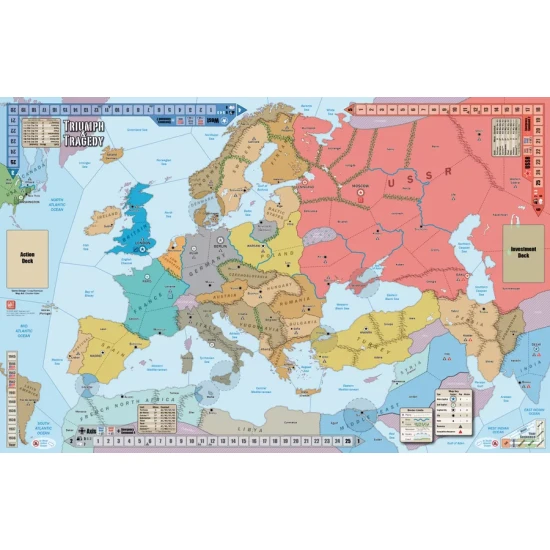
Triumph and Tragedy é um jogo de estratégia geopolítica para 3 jogadores (também jogável por 2) que cobre a competição pela supremacia europeia durante o período de 1935-45 entre o Capitalismo (o Ocidente), o Comunismo (a União Soviética) e o Fascismo (o Eixo). Tem componentes diplomáticos, econômicos, tecnológicos e militares, e pode ser vencido obtendo hegemonia econômica ou supremacia tecnológica (bomba atômica), ou derrotando um rival militarmente. O mapa de área de 22 x 34 cobre a Eurásia até a Índia e os Urais, com as Américas e o império britânico oriental representados de forma abstrata. As unidades militares são blocos de 1/2, de 7 tipos (Infantaria/Tanque/Fortaleza/Aeronaval/Transportadora/Frota/Submarino), em 6 cores diferentes (Alemanha/Itália/Rússia/Reino Unido/França/EUA). A mistura de aproximadamente 200 blocos permite uma grande flexibilidade na composição das forças. Há um baralho de Ação de 55 cartas e um baralho de Investimento de 55 cartas, além de 30 fichas de Dividendo de Paz e 50 marcadores de vários tipos. O jogo começa em 1935, com as 3 Grandes Potências praticamente desarmadas: a Alemanha repudiou o Tratado de Paz de Versalhes, iniciando uma corrida armamentista na Europa. Com blocos, a natureza dos acúmulos militares permanece desconhecida para os rivais até que um conflito militar ecloda. O jogo pode terminar pacificamente ou pode haver guerra. Existem sanções de jogo por atacar menores neutros ou declarar guerra a um oponente, e recompensas por permanecer pacífico (você recebe uma ficha de Dividendo de Paz de valor 0-2 por cada ano que permanecer em Paz). Você pode vencer pacificamente por: Hegemonia Econômica (o total de Produção + valores secretos de Dividendo de Paz é o maior em 1945, ou atinge 25 a qualquer momento) OU Supremacia Tecnológica (construir a bomba atômica que leva 4 estágios). Se houver guerra, você ainda pode vencer por qualquer um dos métodos acima, ou por: Vitória Militar (captura de DUAS capitais inimigas, cada Grande Potência tem 2). A produção econômica está na base de todas as formas de poder no jogo. A produção é o MÍNIMO entre População controlada (cidades), Recursos controlados e Indústria (que começa baixa e pode ser aumentada com cartas de Investimento). As potências podem gastar sua Produção econômica atual em: unidades militares (novas unidades de 1 passo ou passos adicionais em unidades existentes), OU cartas de Ação, que têm valores Diplomáticos (para ganhar População e Recursos sem conflito) e um valor de Comando (para mover unidades militares), OU cartas de Investimento, que têm valores Tecnológicos (para melhorar as habilidades das unidades) e um valor de Fábrica (a única maneira de aumentar os níveis de Indústria). Construir um passo de unidade ou comprar uma carta custa 1 Produção. Simples. Você não pode inspecionar as cartas compradas até depois de ter gasto toda a Produção. Inicialmente, a economia do Eixo é limitada por População/Recursos, mas está à frente na Indústria [bélica], enquanto o Ocidente e a Rússia estão limitados em Indústria, com impérios adequados de População e Recursos. Limitar as economias rivais negando População/Recursos é uma forma chave de competição. Em tempos de paz, isso é feito principalmente por meio da Diplomacia, comprometendo cartas de Ação para obter controle de nações menores e suas Populações/Recursos, ou para negar ou reduzir o controle rival sobre elas. Em guerra, isso pode ser feito de forma mais direta por meio da conquista militar em terra, bloqueio naval/submarino das rotas comerciais no mar e bombardeio estratégico da indústria inimiga pelas forças aéreas. A fase inicial do jogo tende a girar em torno de: lutas diplomáticas (usando cartas de Ação), para ganhar nações menores (Tchecoslováquia, Romênia, etc.) por sua População e Recursos. e acúmulo industrial (por meio de cartas de Investimento), com acúmulos militares (com a natureza das forças em construção sendo desconhecida para os oponentes) e alguns avanços tecnológicos (também por meio de cartas de Investimento), e alguns movimentos militares (usando cartas de Ação para Comando), que podem incluir a violação (ataque) de menores neutros para ganhar População/Recursos quando a Diplomacia falha. Se o jogo continuar pacificamente devido a defesas impostas ou inclinação dos jogadores, a pressão aumenta à medida que os jogadores se aproximam de uma Produção de 20, pois fichas secretas de Dividendo de Paz podem levar alguém além do limite de Vitória de 25. Ou os jogadores podem ter sucesso em desenvolver a bomba atômica e roubar uma vitória dessa forma. Em algum momento, no entanto, uma Potência (vendo uma oportunidade ou necessidade) pode declarar guerra a outra. A vítima obtém benefícios econômicos imediatos em reação, mas a realidade militar vem à tona a partir deste ponto em diante. A terceira parte pode muito bem continuar seu desenvolvimento econômico em paz. Ou não. O movimento das unidades é feito por carta de Comando, que especifica uma letra de Prioridade de Comando que determina a ordem de movimento/combate e um número de Valor de Comando que determina o número máximo de unidades que podem ser movidas. As cartas de Comando são válidas apenas durante uma estação específica (Primavera/Verão/Outono), portanto, uma variedade de cartas de Comando na mão é necessária para que uma Potência possa se mover em cada Estação. Mas os tamanhos das mãos são limitados, então cada jogador deve equilibrar as demandas concorrentes por recursos de cartas com a segurança militar. O combate ocorre quando unidades rivais ocupam a mesma área, e é executado por unidades disparando em ordem por Tipo (os defensores disparam primeiro entre tipos iguais), rolando dados para acertos. As unidades têm diferentes Poderes de Fogo (valores de acerto) dependendo da Classe de unidade que estão mirando (terra, naval, aéreo, submarino). O combate terrestre é uma rodada por Estação, enquanto as batalhas navais são lutadas até a conclusão. Unidades sem uma linha de suprimento perdem 1 passo por Estação e não podem construir (exceto unidades Fortaleza que são imunes a ambos os efeitos, mas não podem se mover). Triumph and Tragedy é um verdadeiro jogo a 3 lados: não há exigência de que o Ocidente e a Rússia estejam do mesmo lado (e, de fato, há razões válidas para se atacarem mutuamente), e apenas UM jogador pode vencer o jogo. A conversa à mesa é permitida (e encorajada), mas os acordos não são executáveis. As alianças estão mudando e a cooperação é pouco confiável. O jogo pode continuar como uma batalha econômica de desgaste ou uma explosão militar repentina pode mudar tudo. Há uma imensa rejogabilidade, pois os jogadores podem buscar a dominação na Europa por meio da superioridade militar terrestre, naval ou aérea, supremacia tecnológica ou hegemonia econômica sem que os rivais percebam sua estratégia até que seja TARDE DEMAIS! É um jogo altamente interativo, tenso, rápido, com pouco tempo de inatividade entre os turnos dos jogadores, cobrindo a década geopolítica crucial do século XX em 4-6 horas. Componentes: • mapa de área de 22x34" • Aproximadamente 200 blocos de 5/8" : • folha de etiquetas (+/- 200 etiquetas de 1/2") • 100 marcadores de corte duplo de 5/8" • baralho de Ação de 55 cartas • baralho de Investimento de 55 cartas • livro de regras de 16 páginas • livro de jogo de 16 páginas • 4 dados
 Informações adicionais
| Mecânica: | Controle de Área/Influência de Área Movimento de Área Gerenciamento de mãos Implantação de Unidade Secreta |
| Categorias: | Econômico Política/Negociação Política/Negociação Exploração Guerra Guerra |
| Nomes alternativos: | |
| BARCODE: | 817054010851 |
| O item está em 2 carrinhos Em 24 listas de desejos Em 3 coleções Isso foi visto 12091 vezes | |
Descrição
Triumph and Tragedy é um jogo de estratégia geopolítica para 3 jogadores (também jogável por 2) que cobre a competição pela supremacia europeia durante o período de 1935-45 entre o Capitalismo (o Ocidente), o Comunismo (a União Soviética) e o Fascismo (o Eixo). Tem componentes diplomáticos, econômicos, tecnológicos e militares, e pode ser vencido obtendo hegemonia econômica ou supremacia tecnológica (bomba atômica), ou derrotando um rival militarmente. O mapa de área de 22 x 34 cobre a Eurásia até a Índia e os Urais, com as Américas e o império britânico oriental representados de forma abstrata. As unidades militares são blocos de 1/2, de 7 tipos (Infantaria/Tanque/Fortaleza/Aeronaval/Transportadora/Frota/Submarino), em 6 cores diferentes (Alemanha/Itália/Rússia/Reino Unido/França/EUA). A mistura de aproximadamente 200 blocos permite uma grande flexibilidade na composição das forças. Há um baralho de Ação de 55 cartas e um baralho de Investimento de 55 cartas, além de 30 fichas de Dividendo de Paz e 50 marcadores de vários tipos. O jogo começa em 1935, com as 3 Grandes Potências praticamente desarmadas: a Alemanha repudiou o Tratado de Paz de Versalhes, iniciando uma corrida armamentista na Europa. Com blocos, a natureza dos acúmulos militares permanece desconhecida para os rivais até que um conflito militar ecloda. O jogo pode terminar pacificamente ou pode haver guerra. Existem sanções de jogo por atacar menores neutros ou declarar guerra a um oponente, e recompensas por permanecer pacífico (você recebe uma ficha de Dividendo de Paz de valor 0-2 por cada ano que permanecer em Paz). Você pode vencer pacificamente por: Hegemonia Econômica (o total de Produção + valores secretos de Dividendo de Paz é o maior em 1945, ou atinge 25 a qualquer momento) OU Supremacia Tecnológica (construir a bomba atômica que leva 4 estágios). Se houver guerra, você ainda pode vencer por qualquer um dos métodos acima, ou por: Vitória Militar (captura de DUAS capitais inimigas, cada Grande Potência tem 2). A produção econômica está na base de todas as formas de poder no jogo. A produção é o MÍNIMO entre População controlada (cidades), Recursos controlados e Indústria (que começa baixa e pode ser aumentada com cartas de Investimento). As potências podem gastar sua Produção econômica atual em: unidades militares (novas unidades de 1 passo ou passos adicionais em unidades existentes), OU cartas de Ação, que têm valores Diplomáticos (para ganhar População e Recursos sem conflito) e um valor de Comando (para mover unidades militares), OU cartas de Investimento, que têm valores Tecnológicos (para melhorar as habilidades das unidades) e um valor de Fábrica (a única maneira de aumentar os níveis de Indústria). Construir um passo de unidade ou comprar uma carta custa 1 Produção. Simples. Você não pode inspecionar as cartas compradas até depois de ter gasto toda a Produção. Inicialmente, a economia do Eixo é limitada por População/Recursos, mas está à frente na Indústria [bélica], enquanto o Ocidente e a Rússia estão limitados em Indústria, com impérios adequados de População e Recursos. Limitar as economias rivais negando População/Recursos é uma forma chave de competição. Em tempos de paz, isso é feito principalmente por meio da Diplomacia, comprometendo cartas de Ação para obter controle de nações menores e suas Populações/Recursos, ou para negar ou reduzir o controle rival sobre elas. Em guerra, isso pode ser feito de forma mais direta por meio da conquista militar em terra, bloqueio naval/submarino das rotas comerciais no mar e bombardeio estratégico da indústria inimiga pelas forças aéreas. A fase inicial do jogo tende a girar em torno de: lutas diplomáticas (usando cartas de Ação), para ganhar nações menores (Tchecoslováquia, Romênia, etc.) por sua População e Recursos. e acúmulo industrial (por meio de cartas de Investimento), com acúmulos militares (com a natureza das forças em construção sendo desconhecida para os oponentes) e alguns avanços tecnológicos (também por meio de cartas de Investimento), e alguns movimentos militares (usando cartas de Ação para Comando), que podem incluir a violação (ataque) de menores neutros para ganhar População/Recursos quando a Diplomacia falha. Se o jogo continuar pacificamente devido a defesas impostas ou inclinação dos jogadores, a pressão aumenta à medida que os jogadores se aproximam de uma Produção de 20, pois fichas secretas de Dividendo de Paz podem levar alguém além do limite de Vitória de 25. Ou os jogadores podem ter sucesso em desenvolver a bomba atômica e roubar uma vitória dessa forma. Em algum momento, no entanto, uma Potência (vendo uma oportunidade ou necessidade) pode declarar guerra a outra. A vítima obtém benefícios econômicos imediatos em reação, mas a realidade militar vem à tona a partir deste ponto em diante. A terceira parte pode muito bem continuar seu desenvolvimento econômico em paz. Ou não. O movimento das unidades é feito por carta de Comando, que especifica uma letra de Prioridade de Comando que determina a ordem de movimento/combate e um número de Valor de Comando que determina o número máximo de unidades que podem ser movidas. As cartas de Comando são válidas apenas durante uma estação específica (Primavera/Verão/Outono), portanto, uma variedade de cartas de Comando na mão é necessária para que uma Potência possa se mover em cada Estação. Mas os tamanhos das mãos são limitados, então cada jogador deve equilibrar as demandas concorrentes por recursos de cartas com a segurança militar. O combate ocorre quando unidades rivais ocupam a mesma área, e é executado por unidades disparando em ordem por Tipo (os defensores disparam primeiro entre tipos iguais), rolando dados para acertos. As unidades têm diferentes Poderes de Fogo (valores de acerto) dependendo da Classe de unidade que estão mirando (terra, naval, aéreo, submarino). O combate terrestre é uma rodada por Estação, enquanto as batalhas navais são lutadas até a conclusão. Unidades sem uma linha de suprimento perdem 1 passo por Estação e não podem construir (exceto unidades Fortaleza que são imunes a ambos os efeitos, mas não podem se mover). Triumph and Tragedy é um verdadeiro jogo a 3 lados: não há exigência de que o Ocidente e a Rússia estejam do mesmo lado (e, de fato, há razões válidas para se atacarem mutuamente), e apenas UM jogador pode vencer o jogo. A conversa à mesa é permitida (e encorajada), mas os acordos não são executáveis. As alianças estão mudando e a cooperação é pouco confiável. O jogo pode continuar como uma batalha econômica de desgaste ou uma explosão militar repentina pode mudar tudo. Há uma imensa rejogabilidade, pois os jogadores podem buscar a dominação na Europa por meio da superioridade militar terrestre, naval ou aérea, supremacia tecnológica ou hegemonia econômica sem que os rivais percebam sua estratégia até que seja TARDE DEMAIS! É um jogo altamente interativo, tenso, rápido, com pouco tempo de inatividade entre os turnos dos jogadores, cobrindo a década geopolítica crucial do século XX em 4-6 horas. Componentes: • mapa de área de 22x34" • Aproximadamente 200 blocos de 5/8" : • folha de etiquetas (+/- 200 etiquetas de 1/2") • 100 marcadores de corte duplo de 5/8" • baralho de Ação de 55 cartas • baralho de Investimento de 55 cartas • livro de regras de 16 páginas • livro de jogo de 16 páginas • 4 dados
Mangas de cartas neste jogo
110 cartões de 63.5mm largura e 88.0mm de altura
2x
(100 Peças)
2x
(100 Peças)
3x
(50 Peças)
2x
(100 Peças)
2x
(100 Peças)
2x
(100 Peças)
3x
(50 Peças)
2x
(100 Peças)
2x
(100 Peças)
2x
(80 Peças)
2x
(80 Peças)
2x
(100 Peças)
2x
(100 Peças)
3x
(50 Peças)
2x
(100 Peças)
2x
(100 Peças)
2x
(60 Peças)
1x
(110 Peças)
3x
(50 Peças)
3x
(50 Peças)
2x
(75 Peças)
3x
(50 Peças)
2x
(75 Peças)
2x
(100 Peças)
2x
(100 Peças)
1x
(110 Peças)
2x
(60 Peças)
2x
(80 Peças)
3x
(50 Peças)
1x
(250 Peças)
2x
(100 Peças)
2x
(100 Peças)
2x
(100 Peças)
2x
(100 Peças)
2x
(60 Peças)
3x
(50 Peças)
3x
(50 Peças)
2x
(100 Peças)
2x
(55 Peças)
2x
(55 Peças)
2x
(105 Peças)
2x
(105 Peças)
2x
(100 Peças)
2x
(100 Peças)
2x
(100 Peças)
2x
(100 Peças)
2x
(60 Peças)
2x
(100 Peças)
2x
(100 Peças)
2x
(100 Peças)
Informações adicionais
| Mecânica: | Controle de Área/Influência de Área Movimento de Área Gerenciamento de mãos Implantação de Unidade Secreta |
| Categorias: | Econômico Política/Negociação Política/Negociação Exploração Guerra Guerra |
| Nomes alternativos: | |
| BARCODE: | 817054010851 |
| O item está em 2 carrinhos Em 24 listas de desejos Em 3 coleções Isso foi visto 12091 vezes | |
 Expansões
 Frequentemente comprados juntos


 Outras versões
O que dizem os jogadores
Com quantos jogadores funciona melhor · 91 votos no BoardGameGeek
- 1 0 0 consideram-no o melhor, 9 recomendam-no, 45 desaconselham-no
- 2 5 5 consideram-no o melhor, 15 recomendam-no, 38 desaconselham-no
- 3 82 82 consideram-no o melhor, 3 recomendam-no, 2 desaconselham-no
- 3+ 1 1 consideram-no o melhor, 1 recomendam-no, 39 desaconselham-no
O melhor Sugerido Não recomendado
Avaliações dos utilizadores uplay: Ainda não há avaliações uplay. Seja o primeiro!
A sua avaliação
Os comentários são moderados antes da publicação: sem links, insultos ou conteúdo irrelevante. São aceites opiniões negativas respeitosas.
Inicie sessão para avaliar
CUIDADO! Não é adequado para crianças menores de 3 anos. Contém peças pequenas que podem ser engolidas ou inaladas.