




In a family, the least experienced person is not always the youngest. A child may spot a combination before an adult, while a confident reader may struggle with unfamiliar symbols. Choosing means looking at what the activity requires: reading independently, planning, spotting details or accepting an unlucky outcome. An age recommendation does not tell you all of this.
I would suggest Carcassonne for building and making choices one step at a time, Pictures for representing images with different materials, and King of Tokyo for a family that enjoys direct competition. Comparing them also helps you work out what to rule out: a creative activity can be difficult for someone who hates showing their work, while a monster game may be too confrontational for someone who cannot stand being eliminated.
What do you need?
- You want to reduce reading during turns
- Carcassonne and Pictures focus decisions on visual elements and physical materials.
- You enjoy making things by hand and comparing interpretations
- Pictures gives everyone the same task with different tools.
- Attacks are part of the fun
- King of Tokyo is a suitable choice if everyone also accepts the risk of elimination.
- Someone needs time to think without rushing
- Favour turn-based choices or an activity that does not test reaction speed; avoid adding pressure beyond the rules.
The suggestions explained

Carcassonne (Edizione 2022)
For building together while making your own choices
Edition language: Italian
See price and buyCarcassonne offers a shared landscape that grows before everyone's eyes. Each tile offers an immediate opportunity, while the meeples introduce an investment decision: use one here or save it for something better. I would choose it for a family that wants less text to read during play and is comfortable competing over positions. It also lends itself to making thought processes visible without turning them into instructions: you can show two legal placements and let the player choose. The linked listing is for the 2022 Italian edition of the base game: before adding other boxes, it is worth exploring the choices this one offers.
The trade-off to know
Drawing the right tile is not guaranteed, and moving close to other players' constructions can create friction. You need space for the landscape and care with the final scoring. If you prefer interpreting an image without competing over placement, Pictures offers a different kind of competition.
Pictures (Edizione Inglese)
For those who enjoy observing and building with different materials
Edition language: English
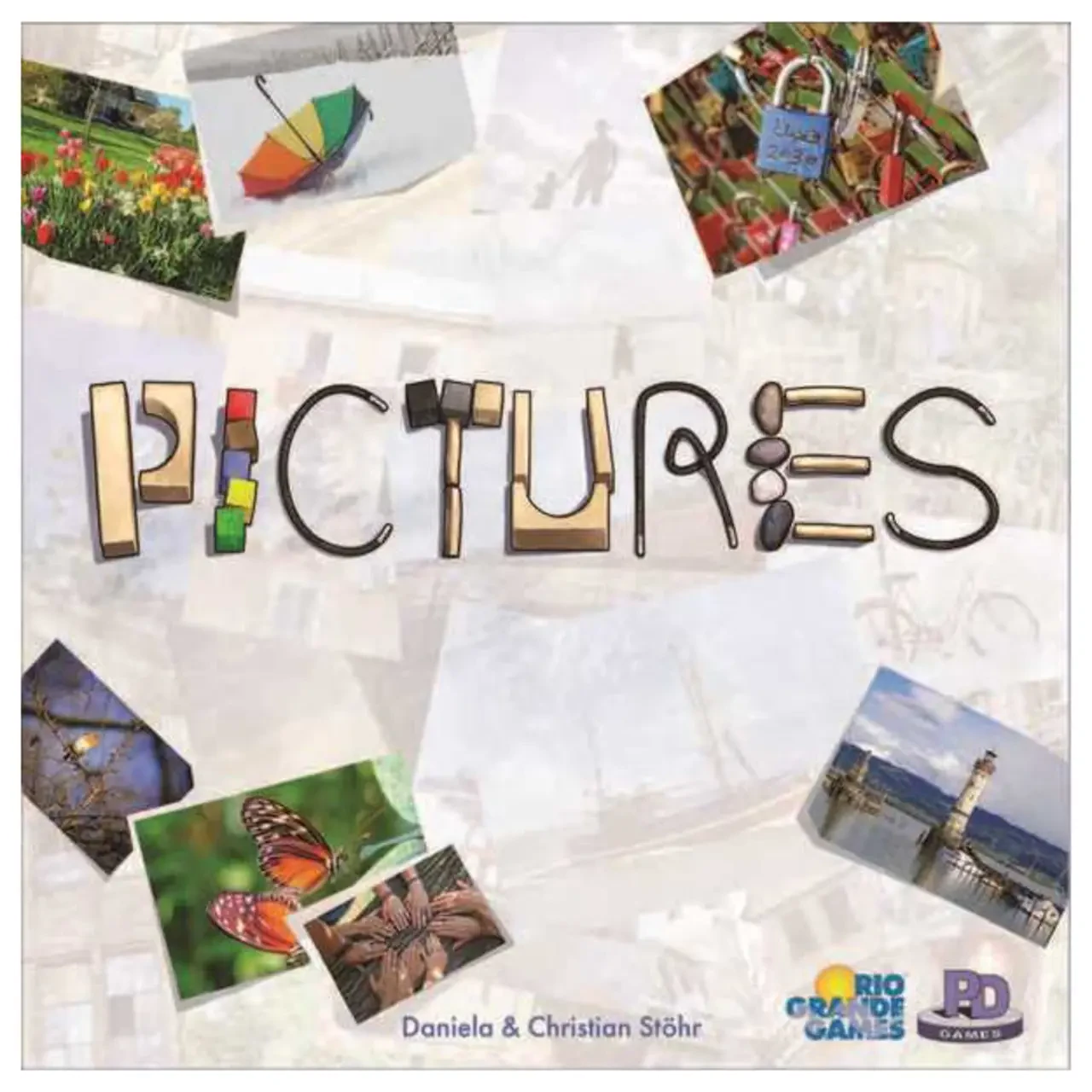
See price and buyPictures shifts the challenge from reading to visual interpretation. Each player tries to get others to recognise a photograph using materials that impose different constraints; those looking must work out which detail has been chosen as a clue. I would suggest it when adults and children enjoy building, making connections and discussing interpretations, without needing to know how to draw. Changing materials also makes it interesting to compare different ways of tackling the same task. The version in this listing is in English: the activity's components are visual, but learning the rules still requires an explanation in the family's language.
The trade-off to know
It requires a clearly laid-out table, space for photographs and creations, and enjoyment of showing others what you have made. I would not automatically describe it as suitable for every shy person. If someone prefers a decision with more explicit effects, I would start with Carcassonne without assuming that everyone has to enjoy creative activities.
King of Tokyo (Nuova Edizione)
For a family that also enjoys attacking one another
Edition language: Italian
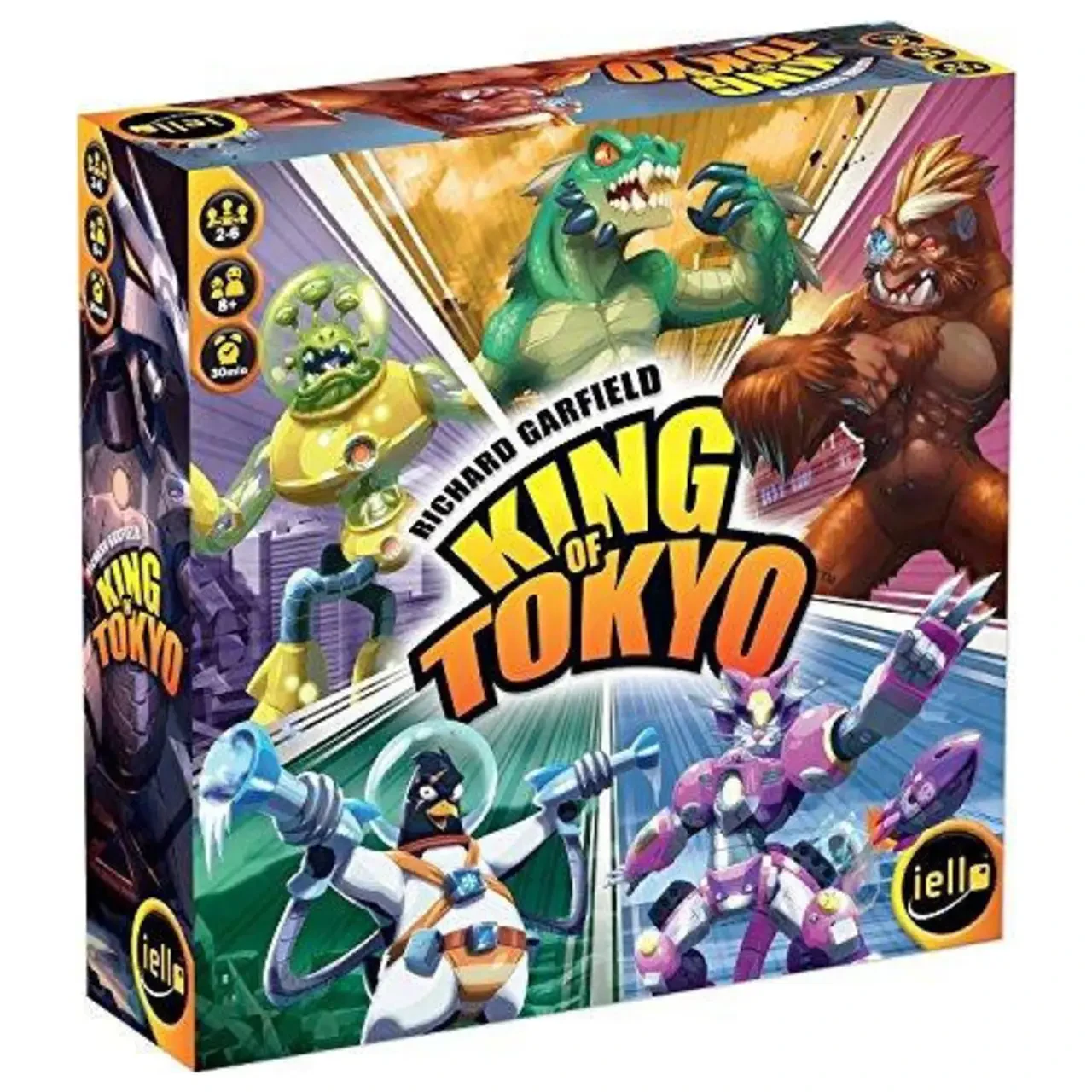
See price and buyI would consider King of Tokyo after making the evening's ground rules clear: the monsters attack one another, and a risky choice can end badly. Dice rolls make the consequences immediate, and the possibility of getting points, energy or other results gives players something to decide beyond simply rolling. It suits a family that takes twists and turns in good humour and enjoys overt rivalry. Power cards add variety, but require players to understand their text and effects: having an adult willing to explain them is still helpful.
The trade-off to know
The element of chance and elimination may be exactly what a family wants to avoid. I would not buy it as a “more grown-up” reward after a gentler game. If the main criterion is for everyone to stay in the game without being targeted, Carcassonne or Pictures are more consistent choices.
Dragomino
For starting out with baby dragons when playing with younger children
Edition language: Italian, English, German, French, Spanish, Dutch
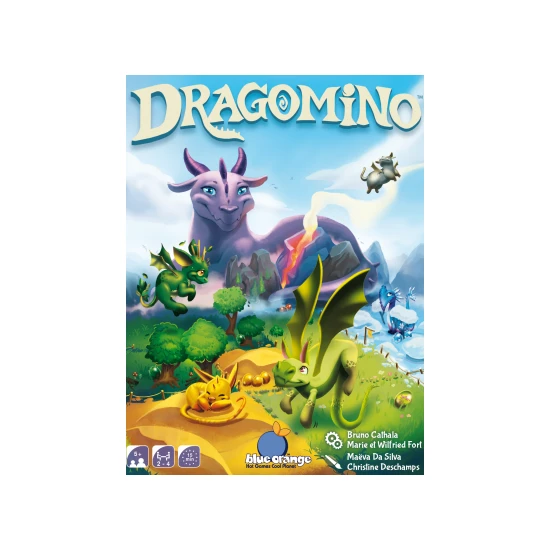
See price and buyDragomino is presented as Kingdomino for younger children: players search the island for baby dragons, with the risk of finding empty shells. I would consider it for a family that wants to start with an illustrated search rather than a series of effects to read. The recommended age is five and the player count is two to four, useful details when comparing it with games aimed at ages eight and up, but not an automatic guarantee of enjoyment.
The trade-off to know
The search for dragons is at the heart of the game: a child who is already interested in planning a kingdom might want Kingdomino. Before choosing, I would also consider how they handle a disappointing discovery, rather than expect the theme to eliminate every frustration.
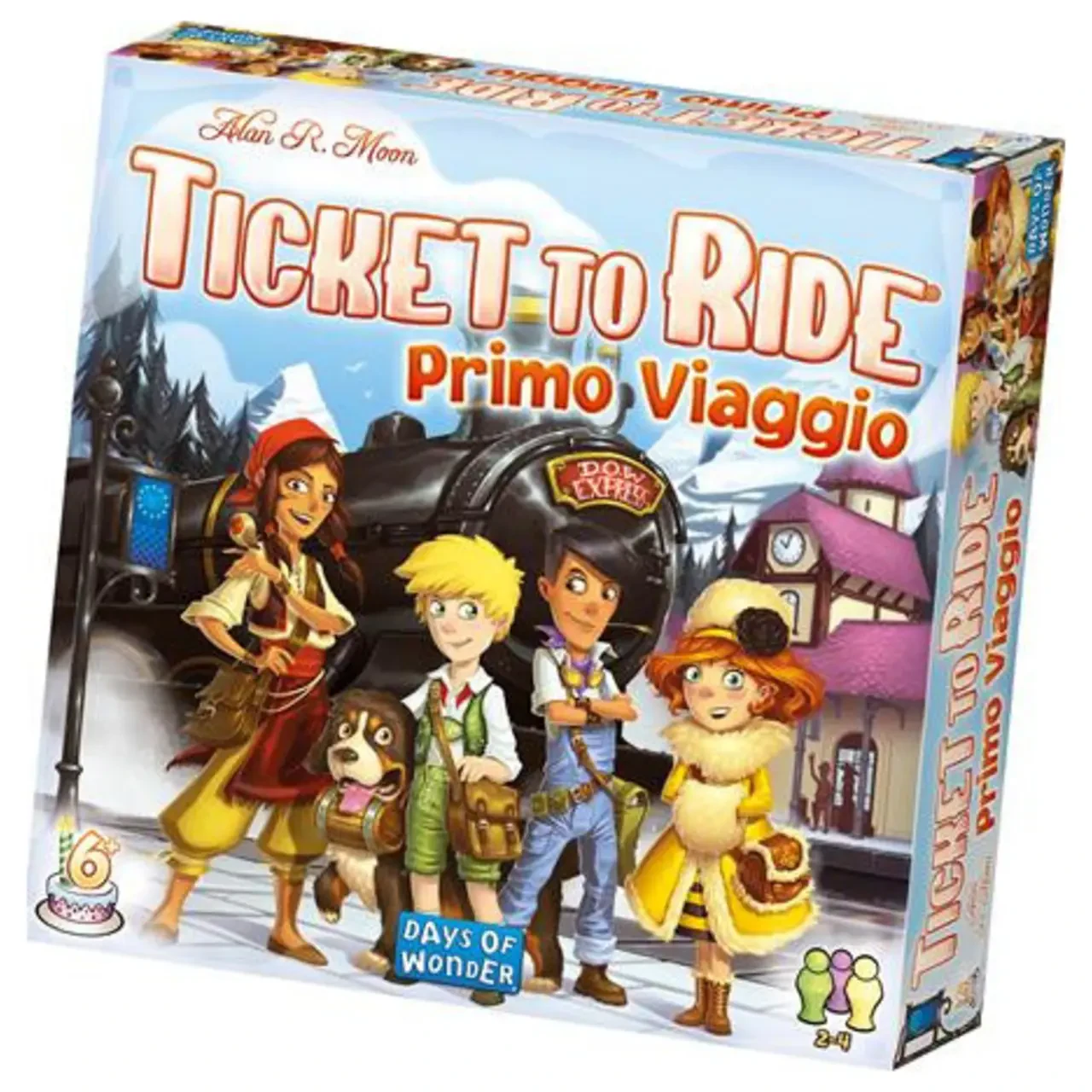
Ticket to Ride: Primo Viaggio
For those ready to collect colours and complete routes
Edition language: Italian
See price and buyTicket to Ride: Primo Viaggio retains a recognisable objective: collect coloured cards, use them on railway routes and complete your tickets. I would suggest it for children who enjoy working towards a destination and want to understand what a card will be used for before spending it. It is a standalone game in the series, recommended for ages six and up and two to four players, allowing families to choose a version designed as a starting point.
The trade-off to know
The presence of trains is no substitute for understanding the objectives and the colours needed. I would not buy a Ticket to Ride expansion expecting it to offer the same introduction: the full title and the contents of the box remain decisive.
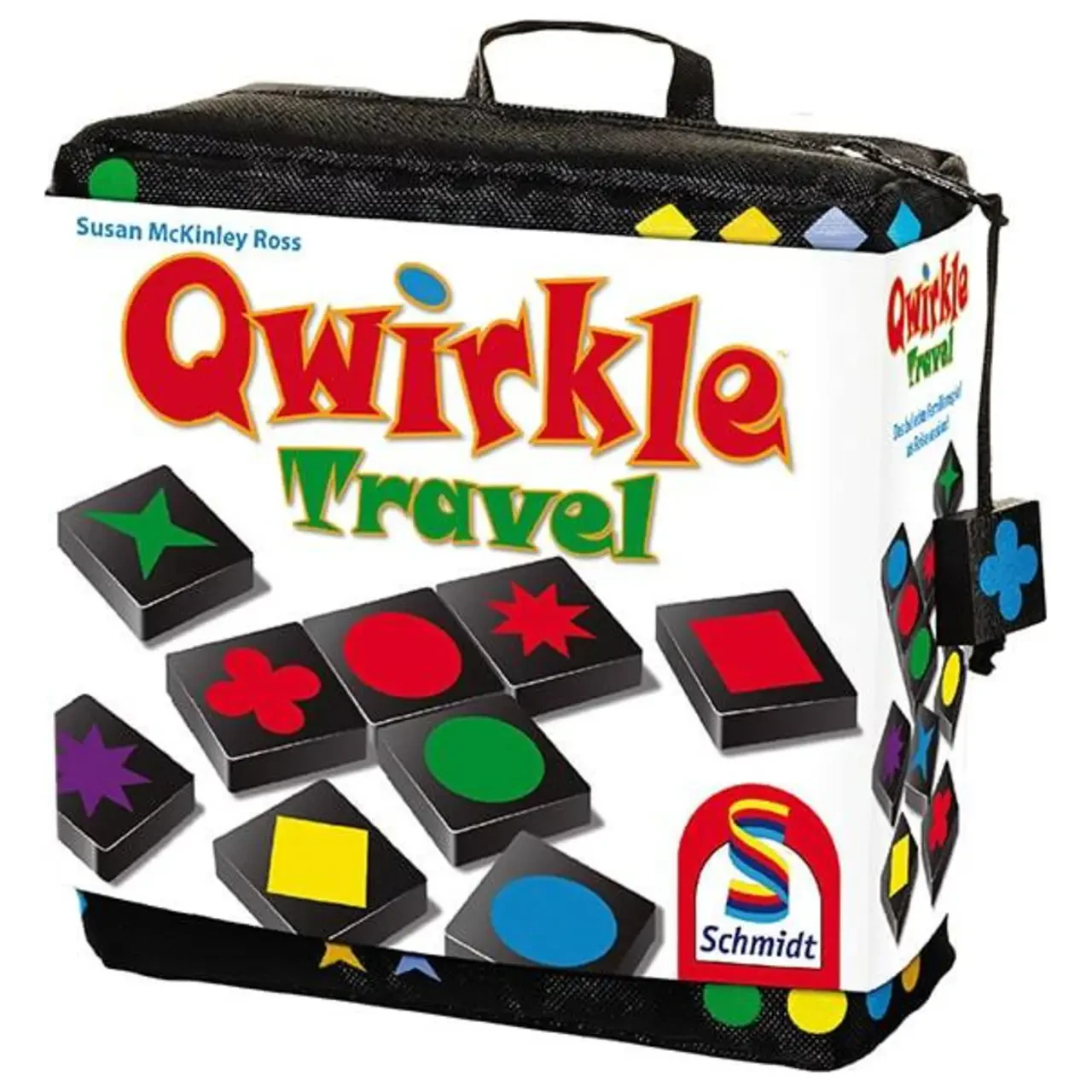
Qwirkle Travel
For thinking about colours and shapes without inventing clues
Edition language: Italian, German, French
See price and buyQwirkle Travel asks you to link tiles in valid shape and colour combinations. The choices are visible on the table: a good placement needs to score points without leaving others too good an opportunity. I would buy it for a family that enjoys spotting patterns and discussing concrete possibilities, but is not looking for a creative representation exercise like Pictures. This Travel edition includes a travel bag; the listing specifies two to four players.
The trade-off to know
Distinguishing shapes and colours and keeping track of the score are part of what it asks of players. The bag identifies the edition, but does not reduce the space needed to lay out the tiles during play: clear the table before choosing this game.
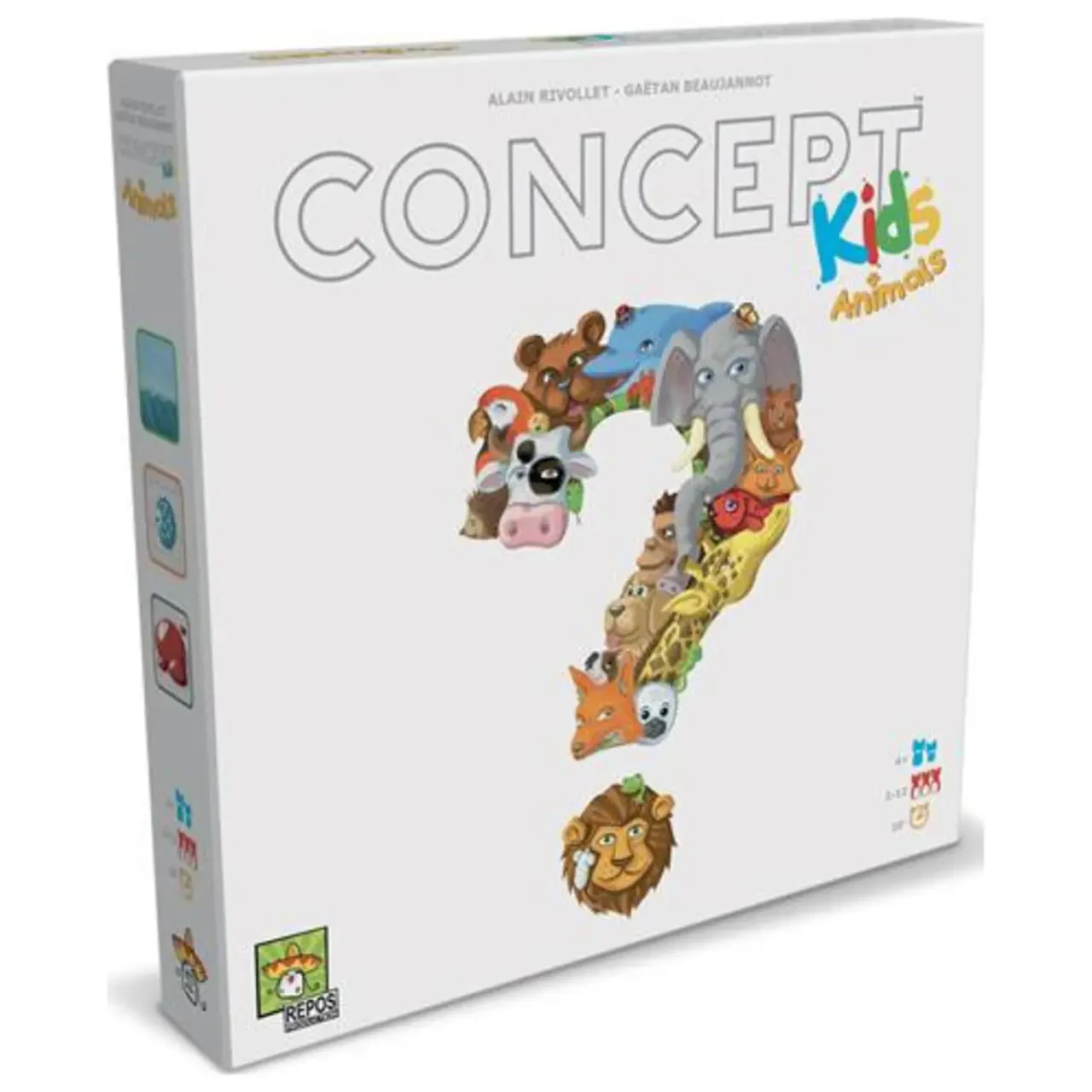
Concept Kids: Animali
For working together to identify animals using icons
Edition language: Italian
See price and buyConcept Kids: Animali is the option for those who want children and adults to work towards the same goal. The listing describes an activity based on the board's icons: use them to help others recognise animals and win together. I would consider it when choosing characteristics to show feels more inviting than competing through attacks or individual scores. The Kids version is for ages four and up and should be distinguished from Concept, which is aimed at an older audience.
The trade-off to know
The clues still need to be understandable: not every child can be assumed to know an animal or its characteristics. An adult can support the discussion, but should leave room for players to choose icons rather than immediately solve the task.
A short rule can involve a difficult decision
Drawing and placing a tile in Carcassonne is a simple action to demonstrate. Judging the value of committing your last meeple is a different matter: it means anticipating when it will become available again. This is where an adult can help without playing on the child's behalf, by showing two possible consequences instead of immediately pointing out the best spot. The choice must remain with the person whose turn it is.
Fields add a longer-term investment, because farmers score at the end and do not normally become available again during the game. For a first try, it makes sense to introduce them separately and make any agreed simplification clear. Adding complexity only once the previous decision has been understood keeps curiosity alive: there is no need to use every option straight away to prove that you are playing “for real”.
Creativity does not mean being good at drawing
Pictures asks you to represent a photograph using an assigned material: coloured cubes, cords, sticks and other tools offer different ways to suggest a detail. The limitations of the materials can become part of the fun. A recognisable image does not have to be a perfect miniature: identifying the feature that sets it apart from the others on the table may be enough.
I would recommend it if your family enjoys interpreting a result and explaining afterwards what they were trying to show. First, though, I would check that everyone can see the photographs clearly and reach the components comfortably. Text-free does not mean barrier-free: size, contrast, handling the pieces and a crowded table can matter more than language. The edition offered is in English, so you still need to provide an explanation everyone can understand.
Handling defeat without undermining the game
King of Tokyo lets you win by accumulating points or being the last monster left in the game. The second route means someone can be eliminated before the end. If a child experiences elimination as being excluded from the evening, I would choose Carcassonne or Pictures rather than try to convince them that they should enjoy it anyway. The maturity level indicated on the box does not measure how much someone enjoys being attacked.
You can lose in the other two games too, but you can keep contributing until the end. I would avoid changing the rules halfway through to rescue anyone who is behind: it makes the consequences of choices harder to understand. Better to have a short learning game, clearly explained objectives and a rematch if requested. The adult's contribution is to make the game understandable, not to eliminate every frustration.
Questions before buying
Can I choose based solely on the recommended age?
Use it as a starting point, then check reading skills, attention, the ability to handle components and reactions to conflict. Two games with the same age recommendation can require very different skills.
Does a text-free game remove adults' advantage?
Not necessarily. Planning, spotting details and familiarity with the rules still matter. It lowers one barrier, but does not make everyone equally experienced.
Is it better to help during a turn or explain afterwards?
Clarify information and rules straight away; for strategic choices, ask whether a suggestion would be welcome. Discussing the game together afterwards leaves more room for independence and makes a rematch meaningful.
Found your direction?
Explore the product pages to compare editions and choose the one for you.
Explore Board games