





A deck can be the entire game, the materials for just one player or a small part of a collection. Before choosing, the useful question is: how many people can sit down and start playing with this product, and what do they need to own already? Words such as “base”, “starter” and “expansion” only help when read alongside the contents and the exact edition.
Among standalone options, the decisive difference is what you do with the cards. In Dominion, you modify the deck you will use on subsequent turns; in Race for the Galaxy, you build a permanent tableau and spend other cards to do so; in Spicy, you choose what to claim, including lying. None of these three activities requires you to arrive at the table with a personal collection built up by buying booster packs.
What do you need?
- You want to improve your deck gradually during the game
- Dominion is the choice for deck-building: constructing your deck from a shared supply.
- You are interested in combinations and trade-offs between multi-use cards
- Race for the Galaxy asks you to choose which cards to build and which to spend.
- You prefer bluffing and immediate interaction
- Spicy offers a complete challenge without preparing personal decks.
- You are giving someone a box bearing the name of a series
- Check whether it is standalone and which edition it is: the contents can change between versions even when the subtitle stays the same.
The suggestions explained

Dominion: Nasce un Regno (Seconda Edizione)
For building your deck during the game
Edition language: Italian
See price and buyDominion: Nasce un Regno, in its Italian Second Edition, is the choice for anyone who wants to see their decisions come back into their hand and have consequences on subsequent turns. The pleasure lies in improving a system of drawing and buying cards, without preparing personal decks before game night. I would choose it if you are interested in understanding why an apparently useful card can slow down a plan, and when it is worth stopping further improvements to pursue points. It is a standalone base game: the many expansions in the series do not make the initial experience incomplete. To learn, I would start with a setup suggested by the rulebook included in the box.
The trade-off to know
It requires space for the shared piles and reading card effects, so it is not simply a deck to pass around a small table. The interaction changes with the cards chosen for the game. If you mainly want to watch your friends and challenge their claims, Spicy is a better fit.
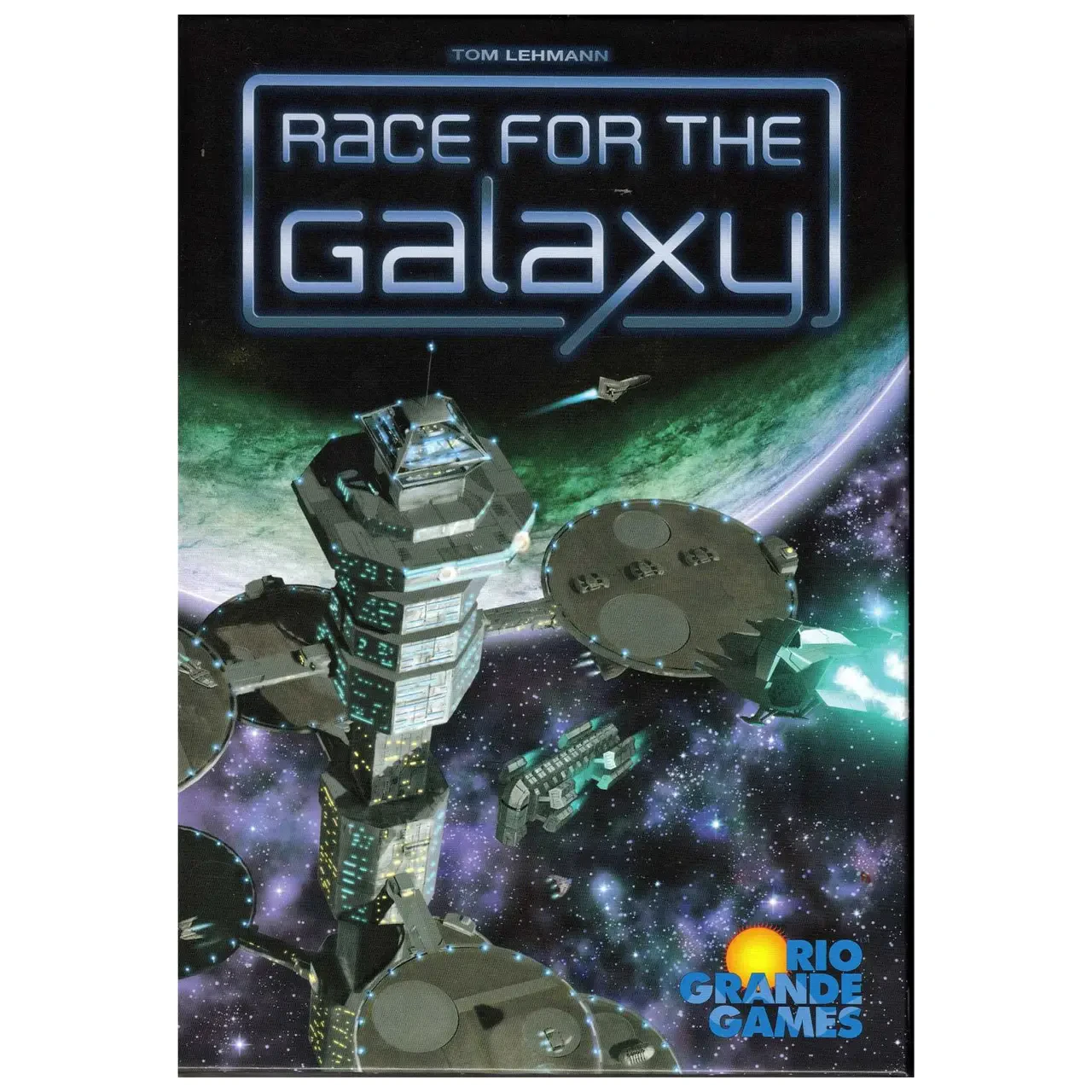
Race for the Galaxy (EDIZIONE INGLESE)
For those who enjoy combinations and choices involving trade-offs
Edition language: English
See price and buyI would choose the English edition of Race for the Galaxy for a player who finds it interesting to decide what not to build. Spending cards to pay for others makes each hand a set of alternatives, while the worlds and developments on the table shape future opportunities. It is a complete option for anyone who wants to explore a system in depth, rather than collect pieces before being able to use it. Learning the symbols takes attention, but helps you quickly read relationships that recur in later games. The base box already lets you compete: knowing about the expansions is not a prerequisite for starting.
The trade-off to know
This box requires you to consult cards and rules in English. The language of the icons and phase selection can be difficult to absorb on the first evening. I would not offer it as an “easy choice because it is only cards”. Dominion offers a different learning path; Spicy is better suited if you want to focus on a few elements and bluffing.

Spicy is a standalone option when you want the cards to create a social situation straight away, without building an economic system. Playing face down and declaring a spice and a number creates two possible targets for a challenge. The interesting part is deciding which truth to leave within a false claim, or when to trust it enough not to intervene. I would get it for friends who enjoy bluffing and want to learn one clear concept, then put it into practice. The box contains what you need for the stated number of players: there is no need for each person to buy a deck of their own.
The trade-off to know
Bluffing is the centre of the experience, not an optional extra you can sidestep. If someone mainly wants to build combinations and control a plan, I would recommend Dominion or Race for the Galaxy. A quick explanation is not enough to make it suitable for people who do not enjoy lying during a game.
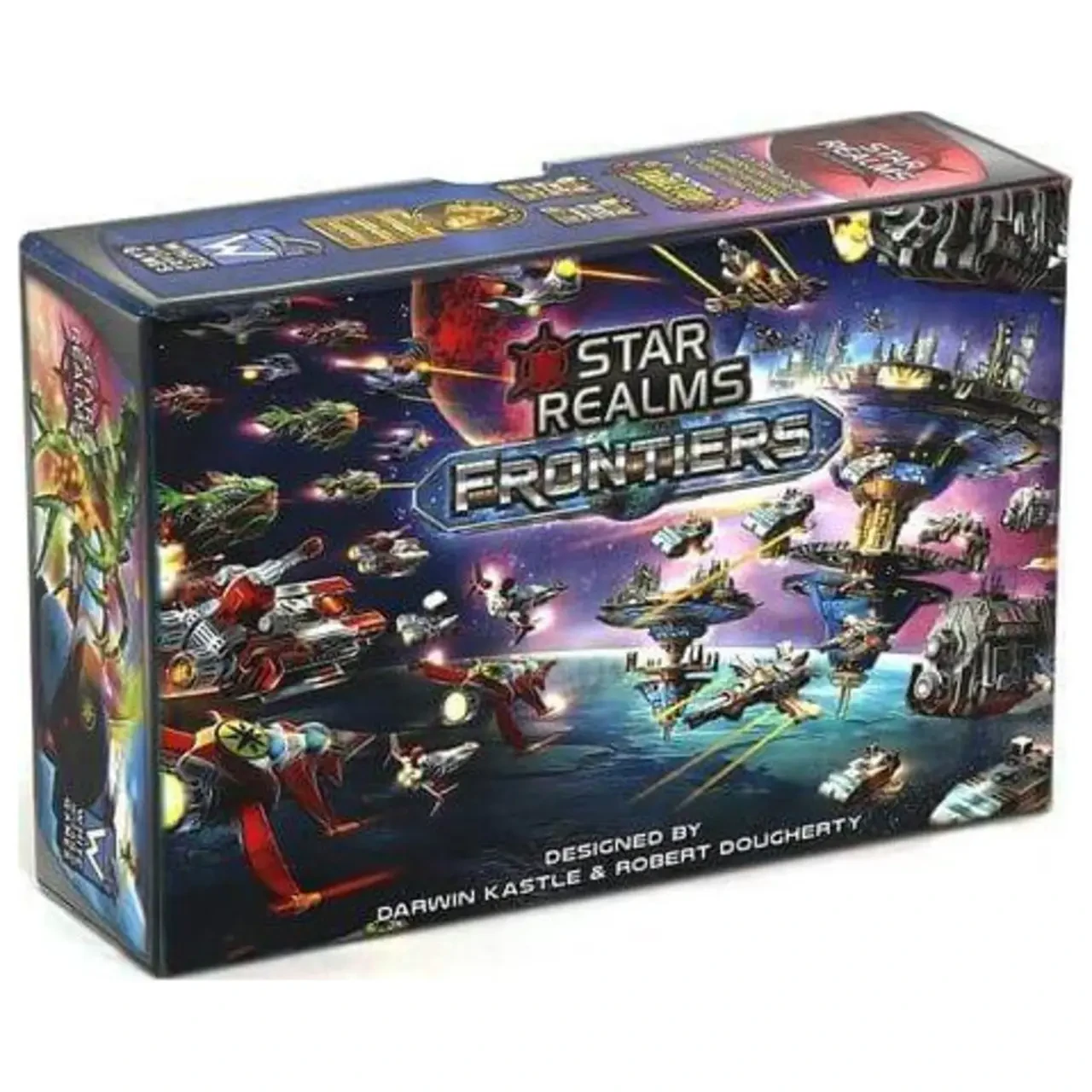
Star Realms: Frontiers
For building your deck and attacking your opponent
Edition language: English
See price and buyStar Realms: Frontiers combines purchases during play with combat between fleets. Ships and bases can generate resources for new purchases or attack power: I would choose it if you want to see the engine you build directly affect your opponent. It is standalone and includes starting decks for four people, as well as the solo and cooperative modes stated in the product listing. The box offered here is in English.
The trade-off to know
The shared market and bases require table space. You do not need to own the original Star Realms for this box, but do not extend that conclusion to every expansion in the series: Frontiers is explicitly a standalone game.

Sushi Go! is the choice for anyone who wants to build combinations through drafting: you choose what to keep as the cards pass between players. The product listing describes sets of dishes and effects that combine, and gives a playing time of around twenty minutes. I would consider it an introduction to this mechanism when the group prefers a small set of recurring rules to a system that takes a long time to study.
The trade-off to know
The combinations need to remain easy to read in front of the players, so you need more space than the deck takes up in a stack. Do not confuse this box with Sushi Go Party!: choosing the menu is a feature of that other product.
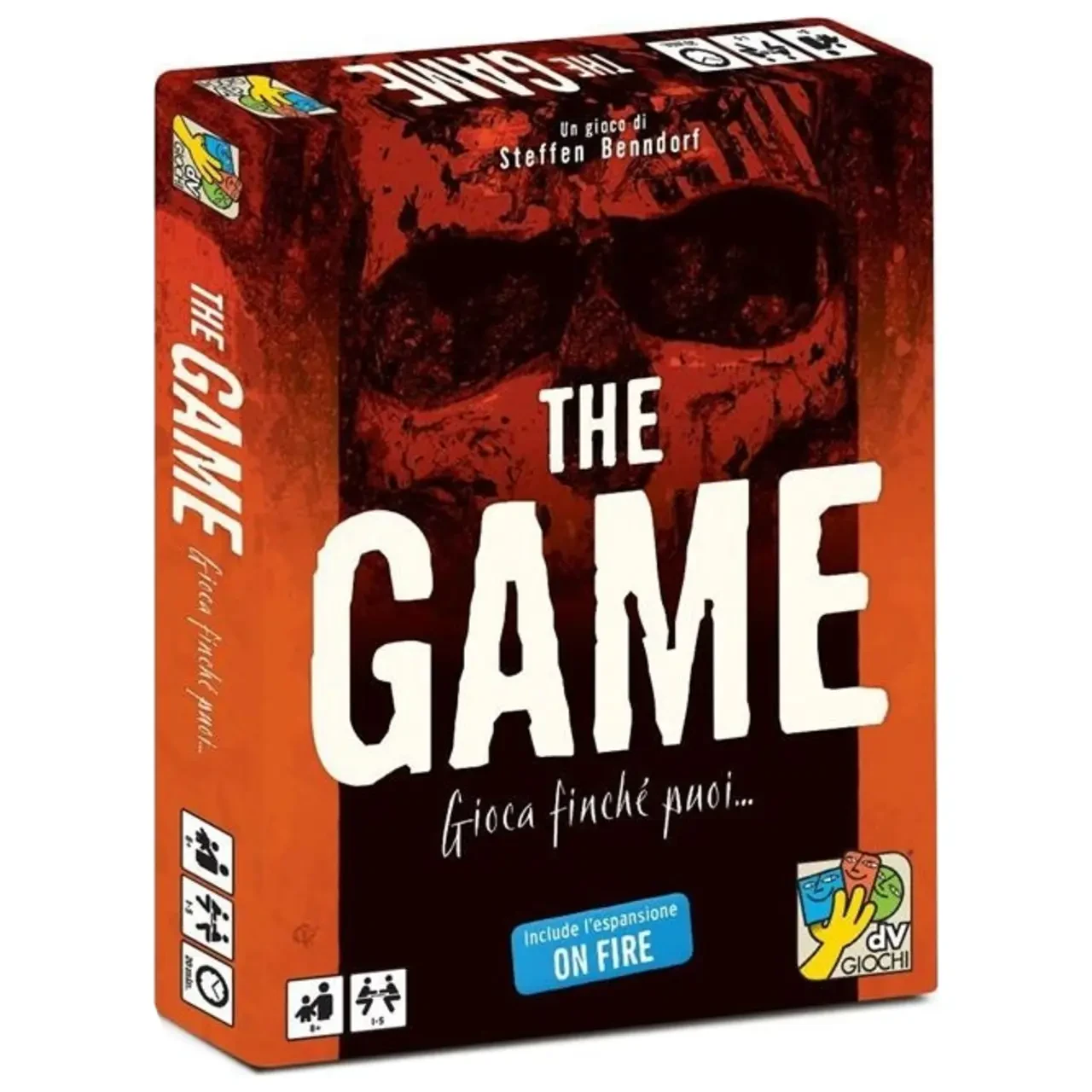
The Game!
For taking on an opponent made of cards together
Edition language: Italian
See price and buyThe Game! changes who you are up against: the group needs to agree on how to play the cards onto the piles. I would choose it for anyone who wants to think together about how to use up a shared resource, without the first game immediately becoming a contest between experts and beginners. The packaging describes a complete game with cards and rules, not material to add to a collection.
The trade-off to know
Cooperating still requires attention to other people's choices. The piles need to remain visible and tidy on the table; I would not choose it just because it has few components if the group prefers to chat without following the shared progress.

RADLANDS (EDIZIONE ITALIANA)
For a duel with contested resources and objectives to defend
Edition language: Italian
See price and buyRadlands is a standalone game for two in which each side defends three camps. Water is used to play characters and events and activate abilities, while cards can also be discarded for an immediate effect. I would consider it if you want direct competition and decisions about what to keep, use or sacrifice, with both players drawing from the same deck.
The trade-off to know
It is a choice for two people and for those who accept that their structures will be attacked. Managing water and effects deserves attention: sharing a deck does not mean there is nothing to learn.
Dominion: you buy your deck during the game, not before you play
The principle of Dominion is to start with a small deck and buy cards from the supply set out on the table. Your purchases enter your draw cycle and change its possibilities. You do not need to prepare a competitive deck list beforehand or find a rare card: players face the same set of opportunities, then choose how to develop.
What makes the decisions interesting is that making your deck bigger does not always make it better. Adding a card changes how often you will see the cards already in it; basic Victory cards contribute to your final score but do not help your turn function as an Action or a Treasure does. I would recommend it to anyone who wants to learn to distinguish between growth, efficiency and the right moment to convert an advantage into points.
Race: building a system means giving up other cards
Race for the Galaxy follows a different logic: many cards can become a world or a development, but they can also be spent to pay for another one. Your hand is not just a list of appealing things to build. It is a budget, and building something requires you to give up other possibilities. I would suggest it to anyone who enjoys the challenge of choosing a feasible plan from competing opportunities.
The other side of the contest lies in the phases selected by the players. Activated phases offer opportunities to the others too, with an advantage for whoever chose them. As a result, a powerful card is not interesting in isolation: what matters is whether the system you are building can use it at the right moment. It would not be my first suggestion for someone who just wants a light game while chatting, because the symbols and combinations take focused effort to learn.
Standalone games, expansions and booster packs answer different questions
A standalone game provides what is needed for its stated gameplay experience. An expansion adds material to something you already own; the contents of a collectible booster pack, by contrast, need to be assessed within the system it belongs to, and it should not automatically be considered enough to get started. Even a preconstructed deck may be intended for just one person: for your first match, you need to know what your opponent will use.
Dominion: Intrigue is a concrete example of why the edition matters. Rio Grande Games specifies that the second edition no longer includes the basic cards needed to play it on its own, which were present in the first edition. So old advice that “Intrigo is standalone” should not be applied to every box. If you want to start without further purchases, choose the base game with its exact edition clearly identified, and leave additions until you know what you want to expand.
Questions before buying
Is deck-building the same as a collectible card game?
No. In Dominion, you build your deck during the game using the supply set up from the box. That is different from preparing a personal deck before meeting your opponent.
Is the word “base” in the product name enough?
No: it could refer to a set of supporting cards rather than the complete game. Read the contents, requirements and number of players that the box provides for.
Is an expansion necessary to make one of these games interesting?
These selections are standalone experiences. Before expanding, play the game several times and identify what you would like to change: new combinations, variety or additional players. Buying more will not fix a mechanic you dislike.
Found your direction?
Explore the product pages to compare editions and choose the one for you.
Explore Card games