





Your first campaign can stall before it even begins: everyone imagines a different character, no one knows who will read the rules and nothing gets scheduled. Before buying, agree on a concrete proposal, such as exploring dangerous places and hunting for treasure, or solving problems as a crew of smugglers. Then plan a self-contained first session, without immediately committing to a campaign lasting months.
The point is not to find the game with the fewest pages. You need a sustainable balance between the decisions players make and the work required of the GM. A short rulebook can leave the GM to improvise a great deal; a more substantial boxed set can guide them encounter by encounter. Check what the product actually contains and ask yourselves which of these two kinds of support you lack.
What do you need?
- No one has ever run a session
- Look for an introduction that teaches the procedures as you play, with characters and an adventure already prepared.
- The group wants to create its own heroes straight away
- Choose a full rulebook, and schedule time for character creation too.
- You only want to try a single session
- Use pre-generated characters and an achievable objective; leave campaign purchases until later.
- You already have an experienced GM
- Choose the tone and the kinds of decisions you want: the GM’s experience can compensate for a less structured introductory guide.
The suggestions explained
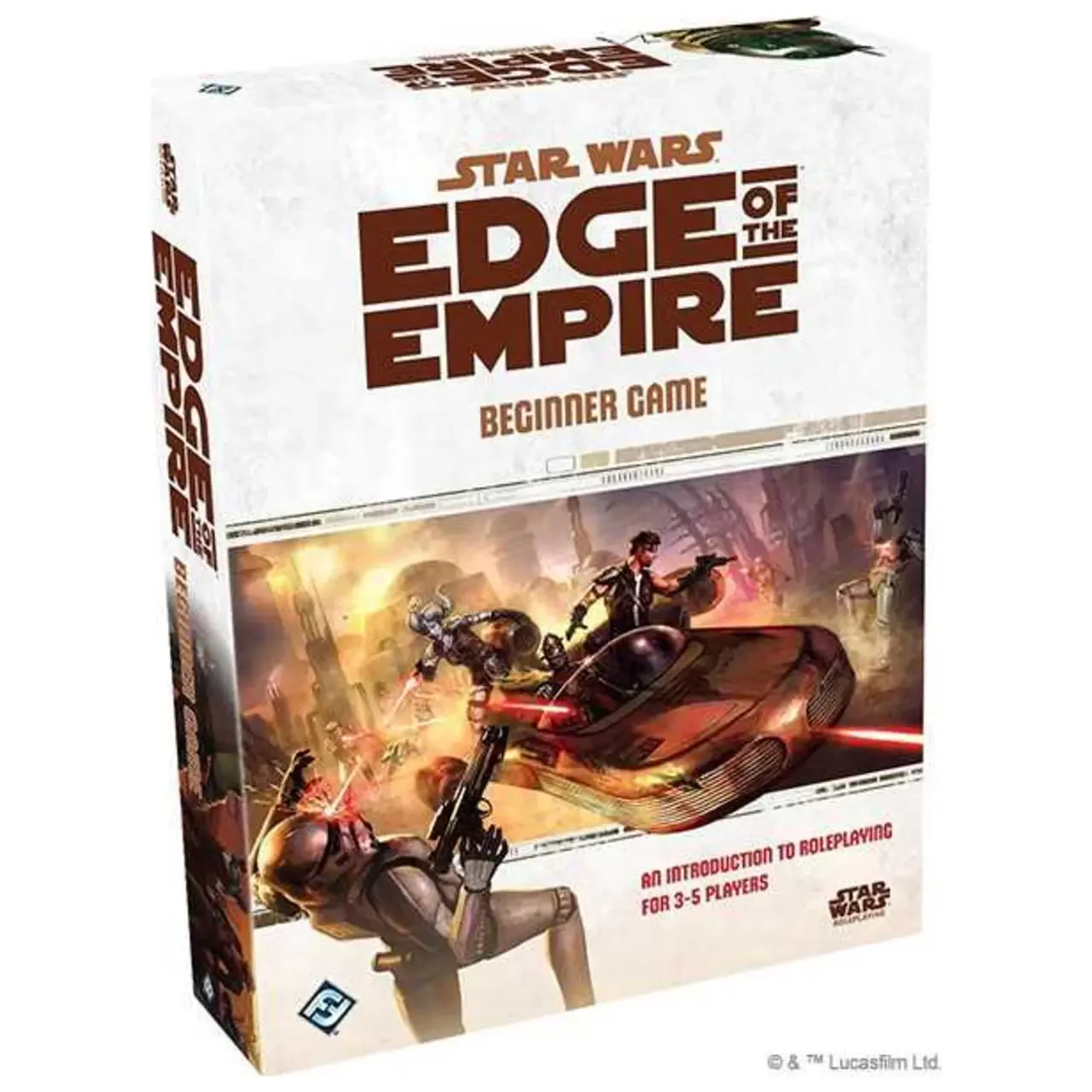
Star Wars: Edge of the Empire Beginner Game's collection (GDR)
To learn through a guided adventure
Edition language: English
See price and buyThe Beginner Game for Star Wars: Edge of the Empire is a sensible entry point when the main obstacle is understanding how a session unfolds. The official overview describes a self-contained experience for three to five people, including a GM, with pre-generated characters and an adventure that introduces the procedures. I would choose it if everyone is already excited by the idea of a crew on the fringes of the galaxy: that shared reference point helps people suggest actions without having to learn about a world from scratch. Before buying, check the language and contents of the specific package listed on the product page.
The trade-off to know
This is an introduction with a set path to follow. If what excites you is creating highly personalised characters straight away and planning an open-ended campaign, the line’s full rulebook is better suited to that need. Do not treat the introductory rules as a substitute for every game option you may want later.
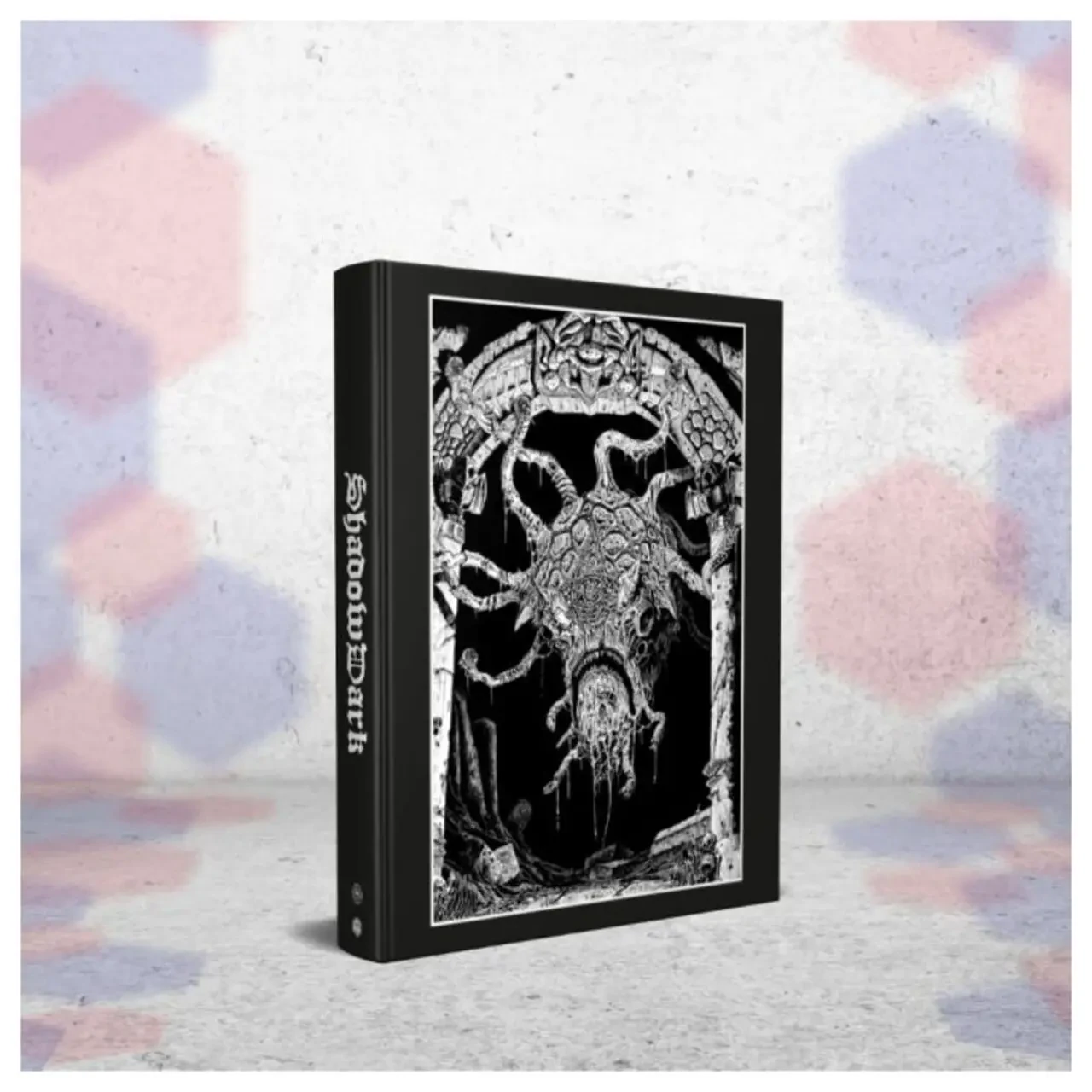
Shadowdark - Manuale Base
For a group that wants to explore and take risks
Edition language: Italian
See price and buyThe Manuale Base for Shadowdark brings together the rules for playing and running adventures. I would buy it for a group drawn to exploring hostile places, where choosing a route, conserving resources and deciding when to retreat are part of the fun. The appeal, in my view, is that a concrete situation can immediately give even people who dislike lengthy backstories something to discuss: do we go down the corridor, look for another entrance or turn back? For the GM, the full rulebook offers a foundation to keep building on after the first trial session.
The trade-off to know
Danger is part of the premise, and the group needs to accept it. If the players mainly want to develop personal arcs without losing their characters because of a risky choice, look for an experience closer to that expectation. The GM still needs to prepare and present situations: a full rulebook does not mean a session ready to run without preparation.

Dragonbane - Manuale Base (GDR)
For starting a fantasy game with d20-based rules
Edition language: Italian
See price and buyDragonbane, in the Manuale Base selected here, covers character creation, skills, combat, magic and travel, alongside the introductory adventure Il Castello del Cavaliere Brigante. I would consider it for anyone who wants familiar fantasy they can start with and keep playing, without choosing a separate setting straight away. The description presents rules geared towards light preparation and challenges that can remain demanding.
The trade-off to know
This product is the rulebook, not the Boxed Set: do not automatically assume that cards, standees or other accessories described for the box are included with the book. The tone allows for light-heartedness, but the product listing also mentions tough challenges for adventurers.

Fabula Ultima (GDR)
For creating a JRPG-inspired world together
Edition language: Italian
See price and buyFabula Ultima is an option for a group that wants to help build the world and tell stories of heroes and antagonists. The rulebook offers the Eight Pillars for the setting and fifteen classes that can be combined, as well as tools for the GM. I would choose it when discussing themes, characters and bonds before the first session is part of the pleasure of starting a campaign.
The trade-off to know
The reference to Japanese role-playing video games is a choice of atmosphere and structure, not a promise that everyone already knows the rules. If your main aim is to follow a ready-made guided adventure, first weigh up how much collaborative creation the group wants to do.

Not The End: Revamped Edition - Manuale Base
For focusing on risk and how characters change
Edition language: Italian
See price and buyNot The End: Revamped Edition uses HexSys, a system in which tokens of different colours are drawn from a bag to resolve important situations. I would consider it for a group that wants to explore what the protagonists are willing to take risks for and how the consequences change them. The Revamped version includes additional content and revised guidance compared with the previous release.
The trade-off to know
The process uses tokens and a bag: a set of polyhedral dice alone does not provide everything you need at the table. Before starting, agree on the tone and situations you want to explore, because the central role of consequences calls for narrative participation from the whole group.

Mausritter (EDIZIONE ITALIANA)
For a mouse-sized adventure with starter materials included
Edition language: Italian
See price and buyMausritter, in its Italian edition, casts the group as little mice in a dangerous world. The box is listed as containing a rulebook, a Game Master screen, the adventure Miele fra le Travi, character sheets and tokens for items and conditions. I would consider it if you want to start with a set of tools already chosen for you and if an inventory represented by tokens makes the kinds of decisions you want to face more tangible.
The trade-off to know
The protagonists’ appearance does not imply a game without danger: the description highlights survival and risky magic. The tokens call for a tidy play area; also clarify whether you would rather explore freely or follow a more guided plot.

Il Richiamo Di Cthulhu - Set Introduttivo Mike Mason (GDR)
For learning an investigative game through an introductory set
Edition language: Italian
See price and buyThe Set Introduttivo for Il Richiamo di Cthulhu offers a learning path that also includes a solo adventure at the start to teach the basics, followed by introductory rules and scenarios for the group. The product listing specifies pre-generated characters, dice and materials for the investigators. I would choose it for anyone who wants to try mystery and horror with support during preparation, before deciding whether to invest in the full rulebook.
The trade-off to know
It is an introduction to the game, not the line’s entire body of rules and options. Check that the group wants an investigative experience and that the GM can read the scenarios before the session: having the materials ready does not remove that step.
What a starter set needs to address
A good introduction makes it clear when to roll the dice, what a player can suggest and how to move forward after an unfavourable outcome. Pre-generated characters keep the evening from being swallowed up by putting character sheets together. They do not prevent roleplaying: two people can use the same sheet and make completely different decisions. When starting out, distinguishing what a character wants from what they can do is more useful than knowing every option in the system.
Check the introductory rules, adventure, character sheets and required materials separately. The word starter does not guarantee that the contents amount to the full rules. In the Beginner Game for Edge of the Empire, the adventure introduces the game gradually, and pre-generated characters and custom dice are included. It is an example of a guided introduction: the value lies in the teaching sequence, not the number of objects in the box.
The first important choice is tone
If some people imagine heroes who take on every monster while others expect vulnerable explorers looking for a way out, buying more rulebooks will not solve the problem. Clarify what makes a scene interesting: winning a fight, finding an ingenious solution, negotiating or uncovering a secret. You can enjoy several things at once, but the first adventure needs to feature at least one that interests everyone.
Shadowdark offers a clear example: danger, exploration and resources matter, and a torch lasts one hour of real time. That rule informs my recommendation: I would suggest it to people who find it engaging to make decisions even with incomplete information. I would avoid it as a first purchase for a group that mainly wants unhurried conversations and characters shielded from consequences. Short rules do not automatically mean a relaxed pace.
Preparing a small-scale but complete session
The GM can prepare a starting location, a visible problem and the intentions of a few important figures. For example: a bridge is closed, a guide knows a way through and someone wants to stop the group from leaving. Establishing what these figures want helps you respond to the group’s ideas without scripting every conversation in advance. If you use a published adventure, look specifically for these elements as you read, as well as the opponents’ stats.
Before the session, agree on its length, tone, topics you would rather leave out and a simple way to ask for a break. If a rule holds up play for too long, note the uncertainty and agree on a provisional ruling. At the end, ask yourselves which scene you would like to repeat and which felt like a chore: that feedback tells you more about which rulebook to buy next than the system’s prestige does.
Questions before buying
Does each player need a rulebook?
To try the game, it is often enough for the group to have access to the rules and for everyone to have their own character sheet. Personal copies become useful when several players frequently look up options or abilities; they are not the first requirement for scheduling a session.
Does a starter set stop being useful after the first adventure?
It depends on the contents. Before buying, check what it lets you create after the introductory scenario and which rulebook you need to continue. Do not judge how long you can use it by the number of components.
What if no one wants to be the GM?
Choose a game that explicitly provides a different division of responsibilities. A game with few rules may still require a GM: the simplicity of the rules and the presence of that role are separate issues.
Found your direction?
Explore the product pages to compare editions and choose the one for you.
Explore Role-playing games