



Speaking a common language at dinner does not mean having the same vocabulary for a word game. Double meanings, associations and cultural references can leave someone on the sidelines even if they understand every rule. For an international group, I would start with what needs interpreting during play: secret text, images, numbers or gestures. Translating at the start and translating throughout are two different commitments.
Pictures lets you communicate through materials; Skull focuses the claim on a quantity; Panic Lab has you look for an image using dice and following a path. I see these as concrete starting points, not titles that are magically accessible to everyone. Before choosing, you still need to establish whether the group prefers creating, bluffing or being faster than everyone else.
What do you need?
- You share little vocabulary and enjoy images
- Pictures shifts the task to visual representation, with an initial explanation for everyone.
- Numbers and a willingness to bluff are enough
- Skull greatly reduces the need to read or translate during play.
- The group enjoys tests of visual attention and speed
- Panic Lab uses dice and illustrated tiles that everyone needs to see clearly at the same time.
- Someone has difficulty recognising colours or details
- Check the components and the conditions at the table: having no words does not remove these barriers.
The suggestions explained
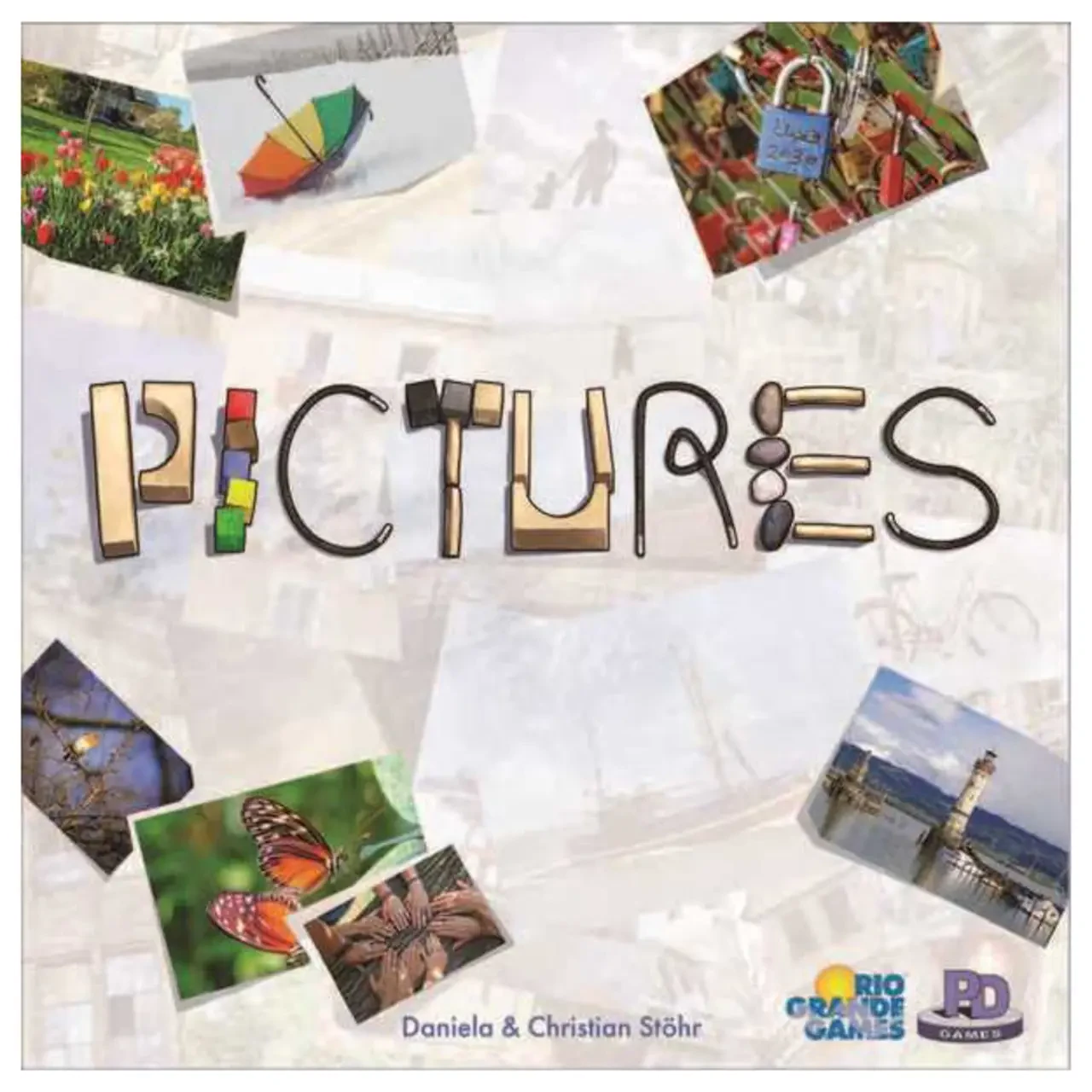
Pictures (Edizione Inglese)
For communicating with shapes and materials
Edition language: English
See price and buyI would suggest Pictures for an international group that wants to share a physical creation. Representing a photo with the material you are assigned reduces the need to find the exact word in a foreign language. Those looking at it search for a recognisable detail and can point to the photograph without having to formulate anything complicated in words. The recommendation still depends on enjoying this activity: not everyone wants to put their own attempt on display. The linked listing is for the English edition; the rules need to be explained or read in a language people understand, while the game’s central task uses images and objects.
The trade-off to know
You need clearly visible photographs, space for the arrangements and ease of handling the materials. Simply removing words is not enough to put everyone on an equal footing. For a group that prefers a bluffing challenge with fewer components to lay out, I would consider Skull.

Skull (Edizione Inglese 2020)
For bluffing with a few symbols and numerical claims
Edition language: English
See price and buySkull is interesting when the group can share an understanding of the rules and the numbers used in bids, but does not share an extensive vocabulary. Choosing a face-down disc, deciding when to start a challenge and whether to raise the bid make for a game that does not need lengthy speeches. I would recommend it to people willing to observe behaviour and accept an unpleasant surprise when a skull appears. The listed version is the 2020 English edition: the language of the booklet does not add text to interpret on the individual discs, but the rules for that specific version must be understood before you start.
The trade-off to know
Reducing the vocabulary does not remove the social element, and bluffing can make people uncomfortable. There is also a risk of elimination. If you want to participate by observing images, without having to assess a lie, Panic Lab or Pictures offer different approaches.

Panic Lab (EDIZIONE ITALIANA)
For those who want a simultaneous visual search
Edition language: Italian
See price and buyI would choose Panic Lab when the group enjoys finding a visual solution before everyone else. The dice indicate what to look for and where to start following the route; the tiles introduce detours and transformations to keep in mind. This focuses the effort on reading images rather than linguistic nuances. The player count goes up to ten, but how well everyone can actually see the table matters more than the stated maximum. The Italian edition listed may make things easier for the person explaining the game; everyone else needs a clear demonstration of the symbols and steps, not continuous translation of the cards.
The trade-off to know
It is a competition that tests speed and visual attention, so it can magnify differences that a turn-based game would make less apparent. Avoid it if the group wants a calm experience or if someone cannot see the layout well. Pictures is a better fit when you want to allow room for interpretation rather than quick visual recognition.
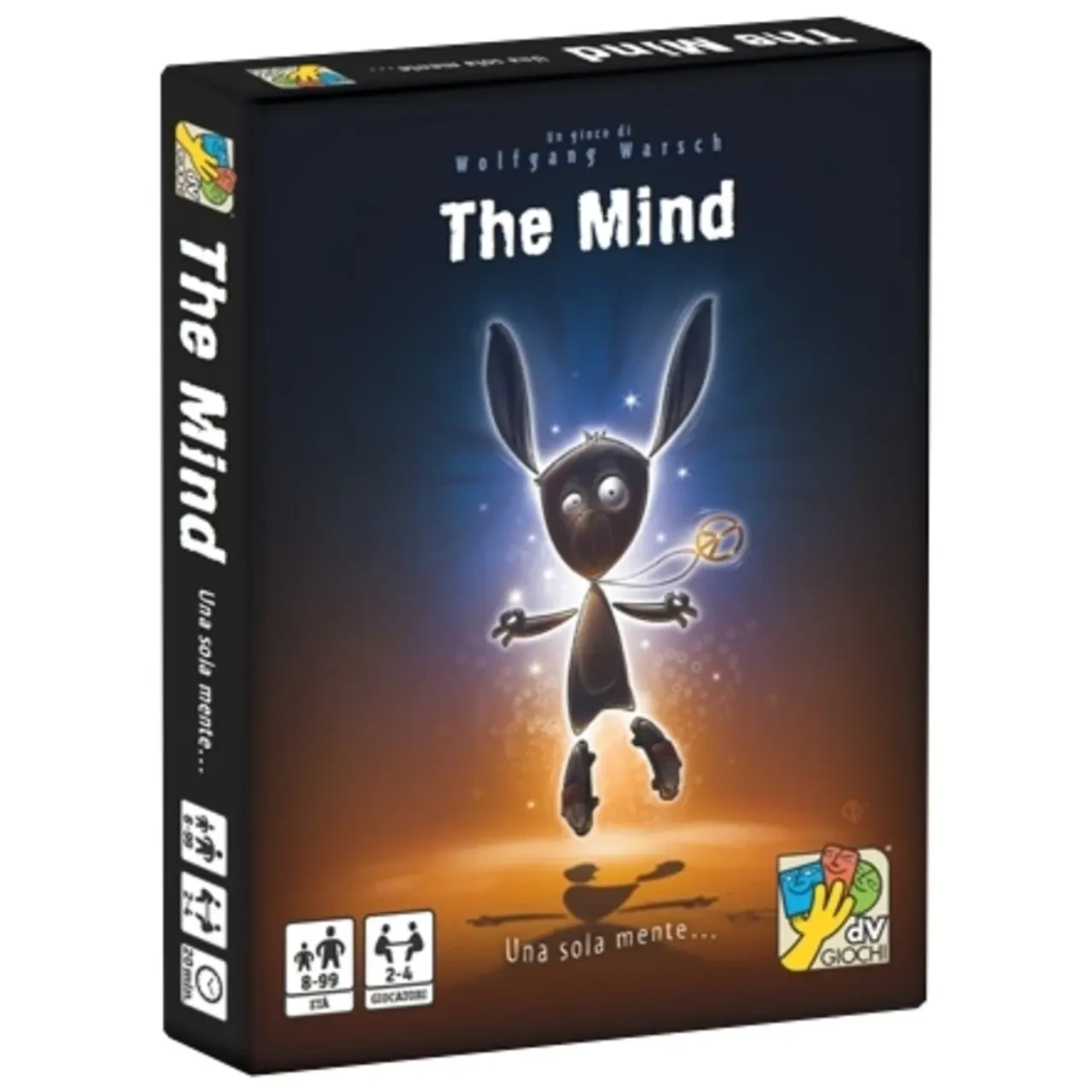
The Mind
For reducing language demands during a coordination task
Edition language: Italian
See price and buyThe Mind uses numbered cards that must be played one at a time in ascending order, without taking turns or exchanging information. I would consider it for a small international group because, once the constraints have been explained to everyone, the central problem is not finding or translating words. The decision concerns when to act in relation to the others. The listing specifies two to four players, so it remains an option for only a small part of the group.
The trade-off to know
Everyone needs to understand in advance what they are not allowed to communicate: the prohibition is no substitute for an accessible explanation. Paying attention to other people’s timing can also create pressure, even though the vocabulary used during the task is limited.
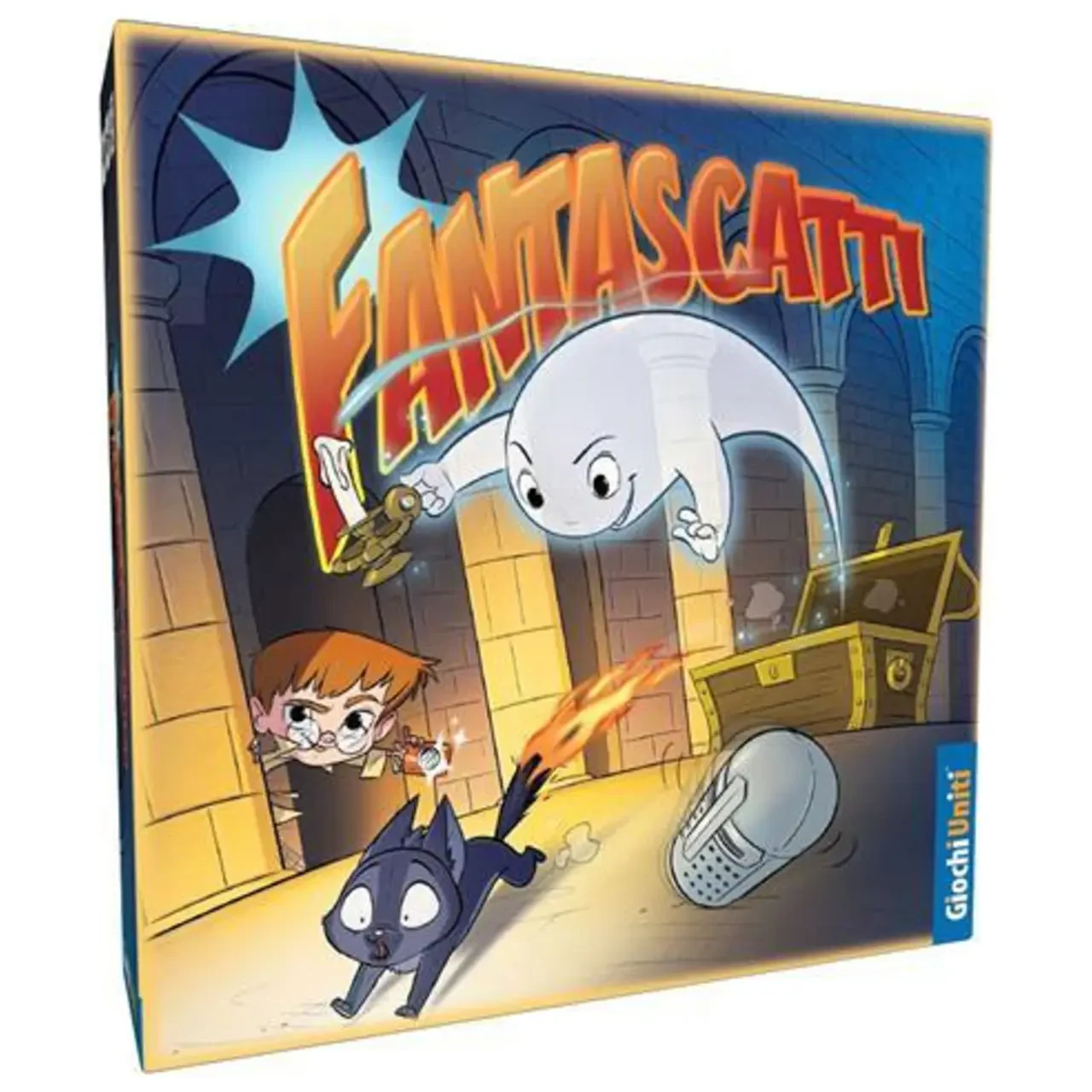
Fantascatti
For a challenge based on recognising an object
Edition language: Italian
See price and buyFantascatti shifts the competition to quick visual recognition: cards are revealed, and you try to identify which object to grab before anyone else. It is an option I would consider when translating jokes and double meanings would be the main obstacle. A demonstration of how recognition works in different situations is more useful than relying solely on a long verbal explanation. The group must actually want that speed, though, not simply a game with little text.
The trade-off to know
Reflexes and how easily people can see and reach the objects affect participation. This is not a way to guarantee equal conditions for people with different needs; if you would prefer time to examine a position, I would consider Tsuro.
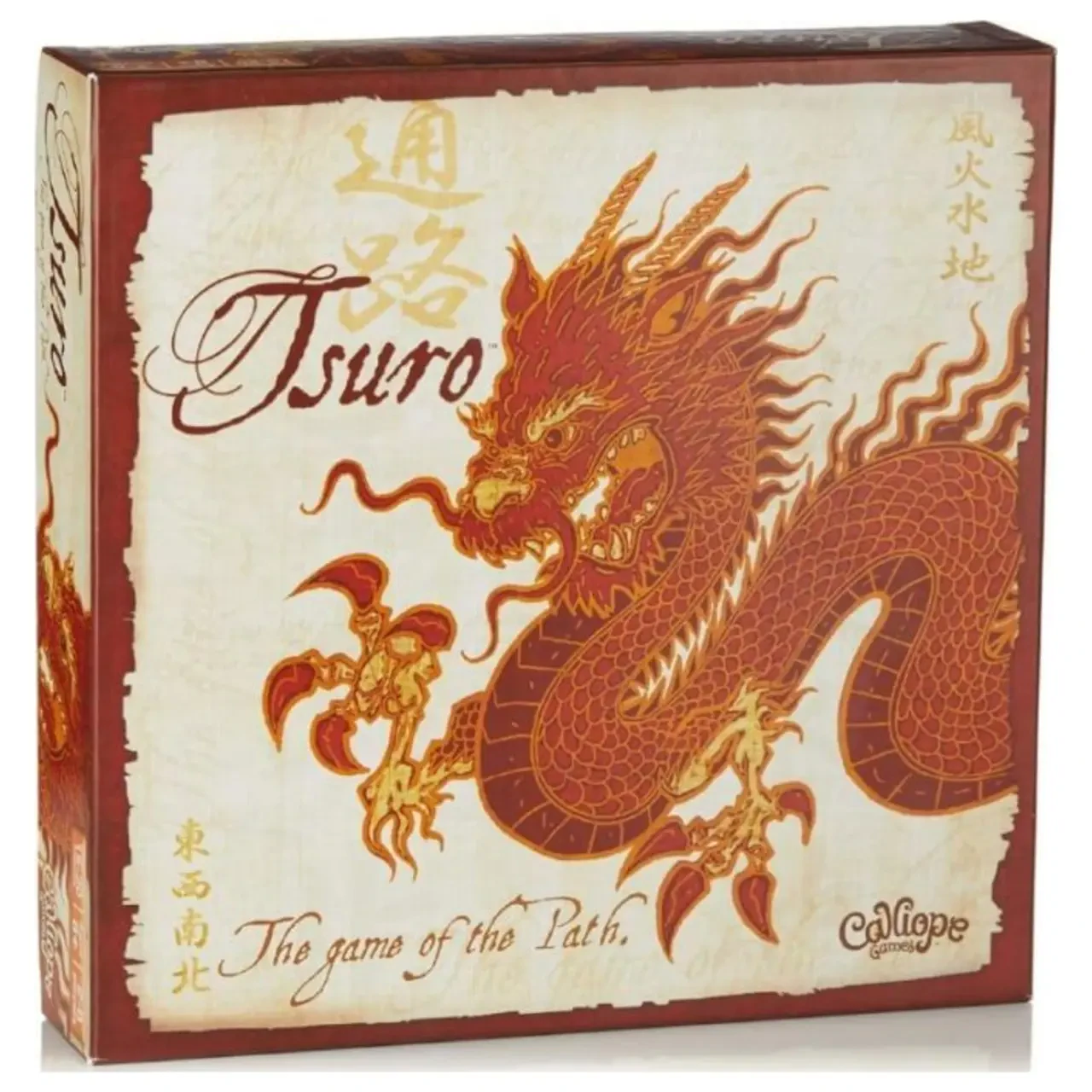
Tsuro
For following shared paths without interpreting verbal clues
Edition language: Italian, English, German, French, Spanish, Dutch
See price and buyTsuro focuses decisions on the paths that take shape and connect on the board. I would suggest it for a mixed-language group when the obstacle is interpreting text or cultural associations: you can point directly to where a tile leads and which paths it meets. The rules still need to be explained in a way everyone understands, but the decisions made at the table are primarily spatial. The listing includes Italian among the languages and gives a player count of up to eight.
The trade-off to know
Following intertwining lines requires a clear view, and other players’ moves can divert your route. Anyone who wants a cooperative experience or dislikes the risk of leaving the board should choose another of these options.

Dobble Beach
For a visual contest with a small, agreed vocabulary
Edition language: Italian
See price and buyDobble Beach asks you to find the symbol shared by two cards, featuring beach imagery and sea animals. I would consider it for an international group willing to learn a limited set of shared names for the symbols. The description requires you to name the symbol aloud, so I would not sell it as entirely language-independent. An initial round of recognising and naming the symbols helps establish whether this smaller challenge remains enjoyable for everyone.
The trade-off to know
Speed can favour those who recognise and name the images more easily, even after the explanation. If pronunciation or response speed becomes the real obstacle, I would choose Tsuro or Pictures rather than hope that a small vocabulary is enough.
A translated rulebook does not translate a hidden hand
In a word-association game, knowing a word’s literal meaning is not always enough to come up with a useful clue. Someone can translate correctly without sharing the same understanding of a nuance or reference that others find obvious. That is why I would not choose a foreign-language edition of a word game just because someone promises to translate: when information is secret, help can also alter the game.
The visual options reduce this ongoing work, but still require a shared understanding of the rules. Showing a full turn and asking the person less familiar with the language to repeat the procedure is a better check than “All clear?”. The aim is to establish whether the person can decide for themselves, not whether they can nod along to an explanation. A practical example also lets you agree on the few terms you need.
Images and numbers call for different skills
In Pictures, players compare interpretations of photographs and arrangements of materials. You do not need to translate a card effect on every move, but you do need to spot a detail and make it recognisable. In a group with different cultural experiences, this can lead to interesting discoveries; it can also show that the same object does not evoke the same association for everyone. I would present that as part of the exploration, rather than looking for a universally correct interpretation.
Skull mainly asks you to understand the challenge and recognise the symbols on the discs. Agreeing on how to say the numbers and how to gesture a pass helps, but the social element must not be stripped away: assessing intentions remains central. Someone who struggles to converse in the language used at the table can still make good decisions; someone who hates bluffing may feel uncomfortable even with perfectly translated rules.
Removing words can make speed matter more
In Panic Lab, the dice indicate the characteristics of the amoeba to look for and the point from which to follow its route. Ducts and mutations make the search more involved than simply comparing two pictures. Everyone plays simultaneously: you do not have to wait for someone else to find a word, but you do need a clear view of the tiles and to work out the sequence quickly.
This structure is a good choice for anyone looking for a test of observation and reflexes; I would avoid it if the group wants to think without pressure or includes people with markedly different abilities to see and reach the components. I would not suggest compensating by secretly moving tiles or giving undisclosed advantages. It is simpler to choose Pictures for communication that depends less on quick reactions, or Skull if social risk appeals.
Questions before buying
Does an English edition necessarily mean the game is unsuitable?
No. Distinguish the language of the rules from the text needed during play. Pictures and Skull require an initial explanation everyone can understand, but their core components do not work like a deck of effect cards that needs translating.
Can we translate a word game on the fly?
Only if everyone accepts the consequences: timing, nuances and sometimes secret information change. If someone has to depend on an interpreter for every choice, I would prefer a visual option.
Does text-free also mean accessible to people who have trouble distinguishing colours?
Not automatically. Look at the symbols, contrast, size and use of colour in each game. Trying out the components is more useful than a blanket promise of language independence.
Found your direction?
Explore the product pages to compare editions and choose the one for you.
Explore Party games