




Someone may be happy to discuss a solution without having any desire to mime an animal. They may love drawings but not want to show their own. Before looking for a game “for shy people”, I would describe the actual action involved: writing a clue, building a shape, choosing which objective to discard. It is a more respectful invitation, and also more useful for finding the right box.
The three suggestions here do not require a theatrical performance. That does not make them pressure-free: So Clover! puts your associations of ideas on show, Pictures displays your interpretation, and Bag of Chips makes your poor choices visible. The difference lies in where the attention falls and how much creative work each individual must do before the group can move on.
What do you need?
- You enjoy thinking about words without having to answer aloud immediately
- So Clover! has an individual writing phase followed by a collective reconstruction phase.
- You enjoy working with objects and images
- Pictures lets you suggest a photograph through materials without having to draw it.
- You do not enjoy inventing clues or showing something you have created
- Bag of Chips offers decisions about objectives, guided by what comes out of the bag.
- The group includes very different levels of language proficiency
- The English edition of So Clover! may be a barrier; consider a visual activity first.
The suggestions explained
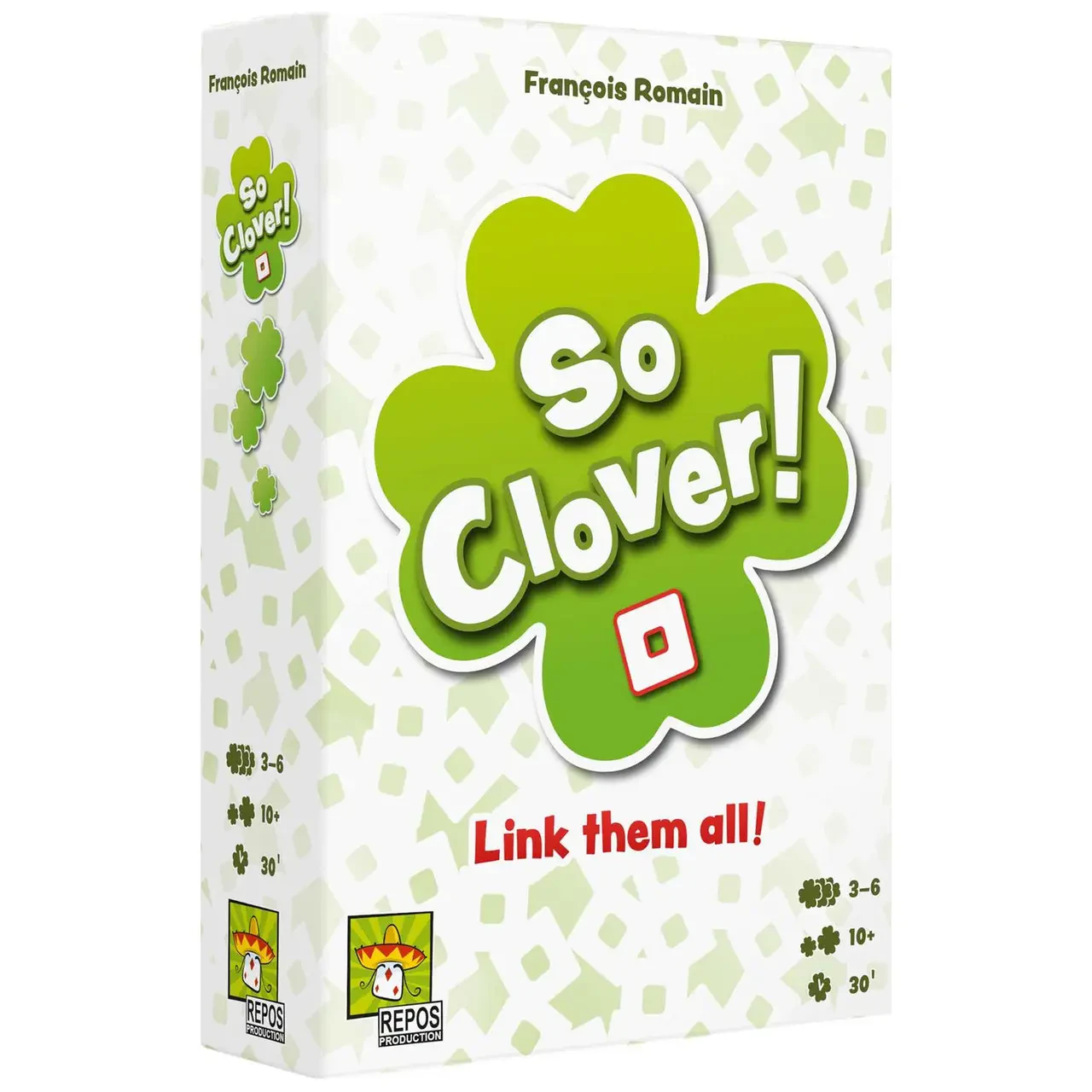
So Clover! (EDIZIONE INGLESE)
For those who prefer to prepare a clue in private
Edition language: English
See price and buyI would choose So Clover! for people who love words and feel more comfortable thinking before sharing. Clues are created individually; when they are read, the group tries to reconstruct the associations without receiving corrections from their author. The conversation concerns a shared problem and can spread the reasoning across several people. It is an interesting way to participate without playing a character or inventing a little scene. However, the linked product is the English edition: the quality of the experience depends on being able to understand and associate the words, not just translate a brief initial explanation.
The trade-off to know
It is not without personal exposure: the others will read your associations and sometimes fail to understand them. Avoid it if the group does not share a good command of English or if creating clues feels like hard work. Pictures reduces the importance of vocabulary; Bag of Chips removes the requirement to produce a creative connection.

Pictures (Edizione Inglese)
To express yourself through materials and photographs
Edition language: English
See price and buyPictures offers a task concrete enough to avoid the blank slate of “invent something funny”. You have a photograph and limited means with which to suggest it: the decision becomes which element to make recognisable. I would recommend it to a group that enjoys shapes, colours and interpretations without wanting a drawing contest. The compositions can become the centre of attention instead of the people and provide talking points after the attempt. The listing is for the English edition, but the work during play is visual: the main requirement is to arrange an initial explanation that everyone understands.
The trade-off to know
It does not promise to remove the discomfort of showing something you have created. It also requires a clear view of the photographs and space to work. If someone does not want to invent a clue in any form, Bag of Chips is a more relevant direction than another creative activity.

Bag of Chips (EDIZIONE ITALIANA)
To choose and take risks without having to entertain anyone
Edition language: Italian
See price and buyI would suggest Bag of Chips when the group wants a light game but not a personal test of imagination. Players watch shared draws and narrow down their objectives: something that looks promising at first may become a choice to abandon. Selecting the negative objective adds a concrete reason to hesitate and comment. The game therefore offers something to do even for those who do not want to act, lie or write clues. The edition in the listing is Italian, and the supported player count goes up to five: it is an option for a small group, not for filling a large party.
The trade-off to know
The draws matter a great deal, and a reasonable choice can turn out badly. If you are looking for a solution to reconstruct precisely, So Clover! offers a different challenge. Compact packaging does not mean it takes up no space: personal cards and drawn chips must remain visible without overlapping.
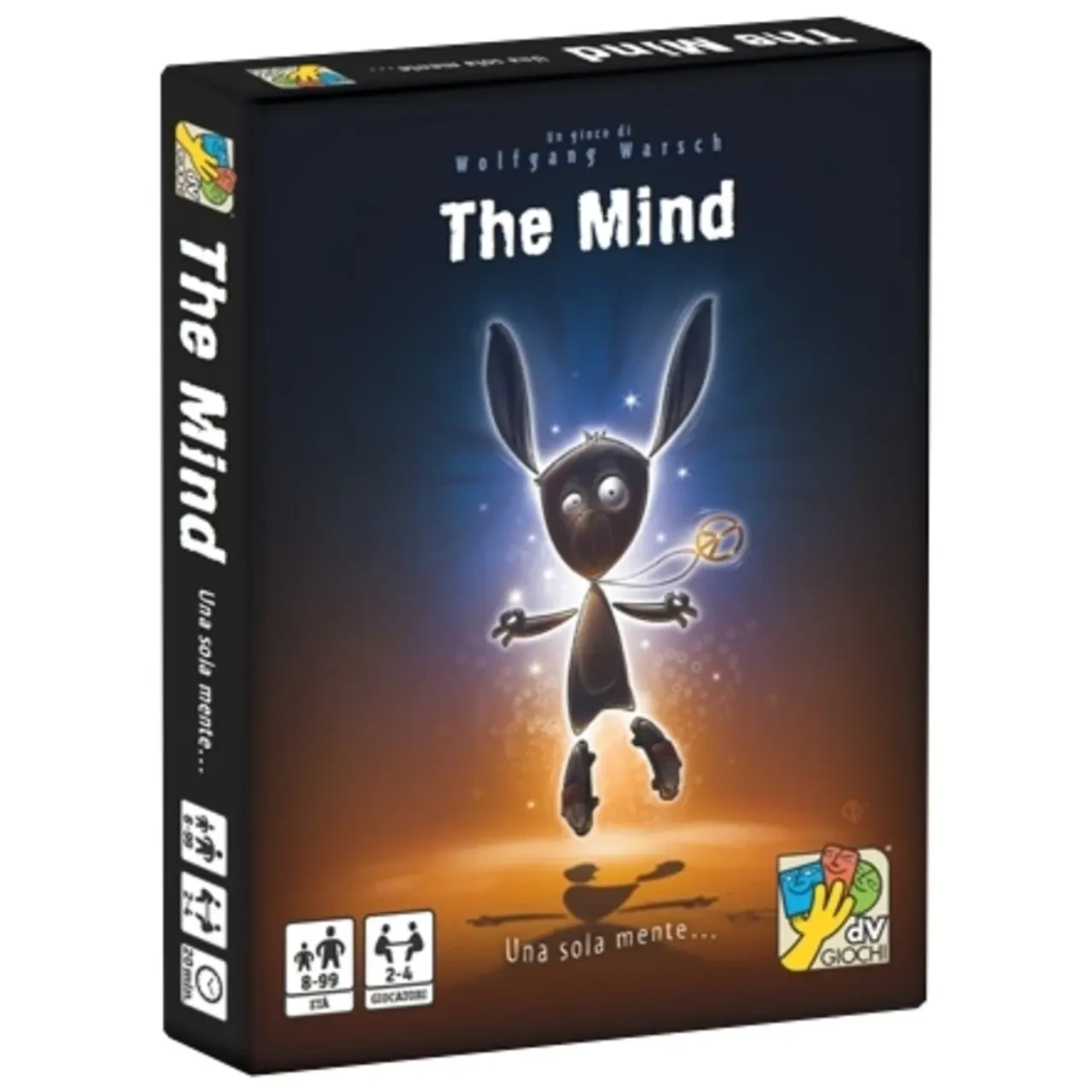
The Mind
For those who prefer a shared problem without clues to invent
Edition language: Italian
See price and buyThe Mind shifts attention to numbered cards that must be played in ascending order. There are no turns, and players are not allowed to exchange information or make agreements: each person’s task is to decide when to play their card into a shared sequence. I would consider it for two to four people who do not want to act, lie or create a brilliant answer, but find it interesting to try to coordinate within a specific constraint.
The trade-off to know
Silence does not mean an absence of pressure: choosing the wrong moment can leave someone feeling exposed. I would not present it as an automatic solution to shyness, and I would avoid it when someone wants to be able to ask for confirmation before every action.

Sushi Go!
To participate by choosing cards rather than performing
Edition language: Italian
See price and buySushi Go! offers a concrete individual goal: combine dishes and seek points through card selection. I would suggest it to anyone who wants to be involved in the game without having to persuade an audience or make friends laugh. Drafting and sushi combinations keep the conversation close to the choices on the table, and the deck’s illustrations let you distinguish what you are trying to collect.
The trade-off to know
Understanding the different scoring methods remains necessary, and not everyone feels comfortable making choices while others watch. The version offered here accommodates up to five people: for a larger group, consider a different box rather than improvising an extra hand.
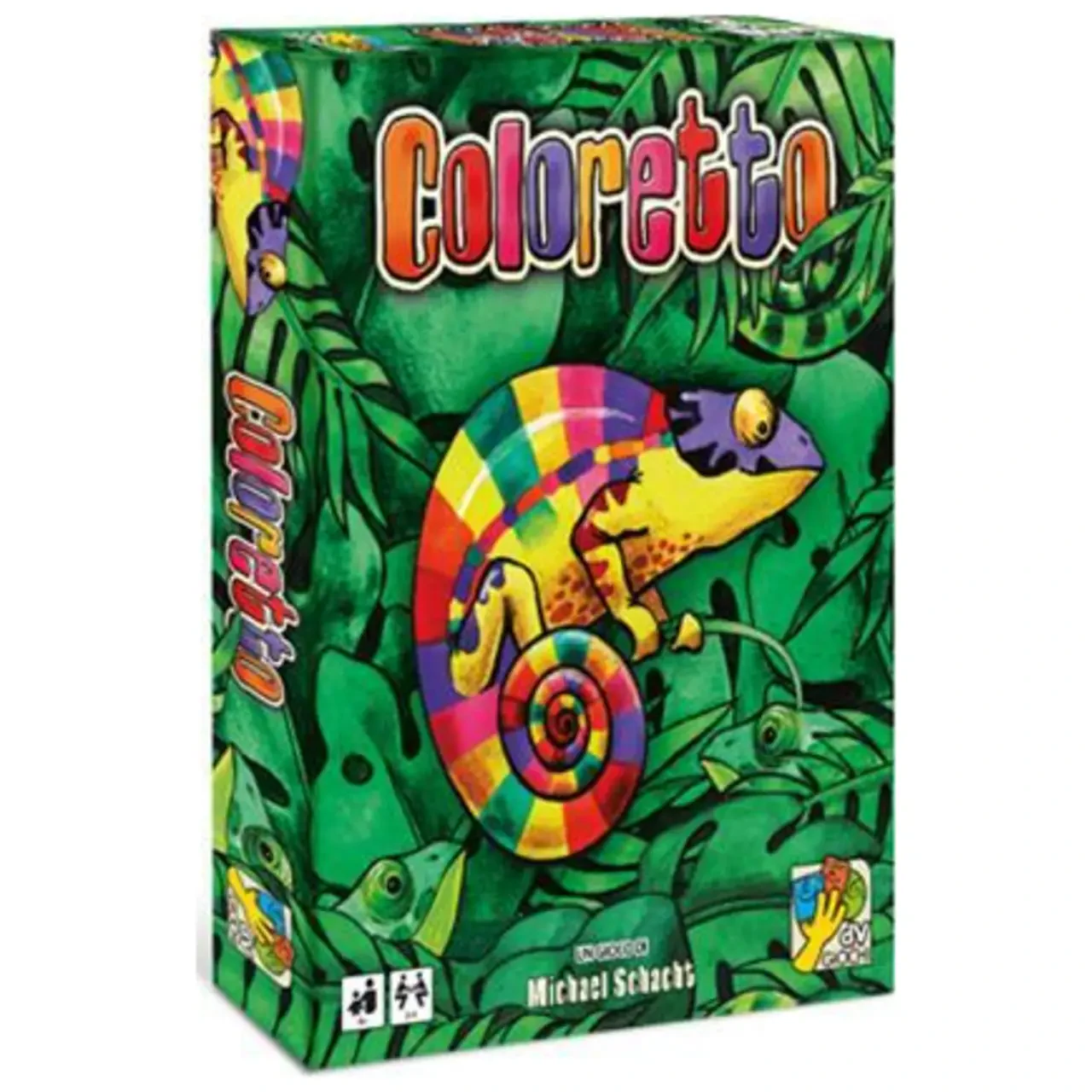
Coloretto
For competition over the available cards, without creative challenges
Edition language: Italian
See price and buyColoretto offers two clear options: draw a chameleon card and place it in a row, or take a row from the table. The colour that makes a collection appealing to you may create a different temptation or problem for someone else. I would choose it for those who prefer making decisions about visible elements to producing a clue, a story or a lie, while retaining a clear element of competition.
The trade-off to know
Players need to distinguish colours and accept that a useful row may also contain unwanted cards. Individual results are still subject to a comparison of scores: if any competition between people is the problem, I would consider a cooperative game first.

Similo: Animali
To build a clue by choosing an existing image
Edition language: Italian
See price and buySimilo: Animali offers cooperative deduction based on an illustrated deck. The clues are other cards, used to suggest similarities or differences in relation to the secret animal among those on display. I would pick it for a group that prefers discussing an observable detail to asking someone to invent a joke: creativity is still needed, but it starts from concrete material already on the table.
The trade-off to know
The clue-giver still watches the group interpret their choice, and discarding the secret card makes everyone lose. I would not describe it as free from personal exposure; it also requires space for twelve cards and a clear view of the illustrations.
Having time to prepare changes the experience
So Clover! separates two stages: players individually look for connections between pairs of words, then the others reconstruct the arrangement of the cards. Writing before speaking can help those who struggle to improvise while everyone watches. The answer already exists when the group encounters it, so there is no need to invent it while being observed. It is this structure, more than the cooperative label alone, that makes me consider the game relevant.
During reconstruction, whoever wrote the clues must remain silent. The group reasons things through, tries combinations and interprets what it finds. Listening to other people’s thought processes can be entertaining; seeing a mistake without being able to correct it can also be frustrating. I would explain this beforehand: no one should feel obliged to defend a clue on the spot, but they must accept that it may be interpreted differently from how they imagined.
An object can take the spotlight off the person
In Pictures, the table looks at a composition made with limited materials and tries to identify the photograph it refers to. The constraints help shift the focus of judgement: the question is not who is an artist, but which detail has been made recognisable with those tools. I would present it as a visual communication challenge, avoiding the idea of a contest to build the most beautiful thing.
There is still a personal creation to show, though. For some people, that is entirely enjoyable; for others, it is not. If the specific request is to avoid having any creative invention scrutinised, Bag of Chips offers a different kind of distance: the decision concerns objectives and probabilities, not self-expression. There is no need to persuade someone to be more creative; simply choose a form of participation they already enjoy.
Reducing pressure without taking away decisions
Bag of Chips has everyone watch the same draws while each player selects which objectives to keep. Part of the tension comes from assigning an objective to the negative side: if it is fulfilled, it can penalise rather than reward you. This creates choices to comment on without having to invent a joke. I would make a point of explaining this step clearly, as it distinguishes the game from simply getting a lucky draw.
The way the evening is run matters too. Letting everyone finish making their choice and commenting on the result afterwards reduces the weight of other people’s attention without changing the rules. A cooperative game alone does not guarantee a relaxed atmosphere if one person corrects everything; a competitive game can be light-hearted if mistakes remain part of the game. The box helps, but the group must leave room for individual decisions.
Questions before buying
Is a cooperative game always less embarrassing?
No. It may require personal clues, taking turns to speak or defending a solution. Look at the action required and how the group reacts to mistakes, as well as the shared goal.
Does Pictures require drawing skills?
No: players use assigned materials to suggest a photograph. What matters is choosing a recognisable detail, but you still need to enjoy showing others your attempt.
Which option also avoids creative clues?
Bag of Chips. The main contribution is evaluating objectives in light of the draws, while accepting a strong element of chance and the five-player limit.
Found your direction?
Explore the product pages to compare editions and choose the one for you.
Explore Party games