





The after-dinner table has its own particular geography: glasses to reach for, plates still in place, people getting up and a conversation already under way. A suitable game needs to fit into this situation without fading into the background. A small box is not enough: what matters is where the cards go, which information needs to stay organised and whether everyone can follow each turn.
Skull focuses the contest on small piles in front of the players. Spicy uses a central pile, but asks you to listen to claims and challenge them. Bag of Chips has everyone watch the same draws, with personal objective cards to lay out. I see these as three useful options after dinner, provided you really clear the space they need and do not treat the components as part of the tableware.
What do you need?
- There are three to six of you and you enjoy provoking a challenge
- Skull puts a declaration of confidence and the intentions hidden beneath the discs at the heart of play.
- You want cards in hand and quick challenges
- Spicy requires you to distinguish a lie about the number from one about the spice.
- There are no more than five of you and you want to follow shared draws
- Bag of Chips gives everyone personal decisions to make around the same outcome.
- Conversation keeps interrupting the game
- Take a break between complete games or rounds: piecing together claims you missed is less enjoyable than waiting.
The suggestions explained

Skull (Edizione Inglese 2020)
For pared-back bluffing with three to six people
Edition language: English
See price and buySkull would be my choice for friends who want a challenge focused on decisions and their expectations of one another. Each face-down disc added to the pile can change how others read the situation; announcing a challenge forces you to take a position. Having to reveal your own discs first prevents you from completely separating what you claim from what you have played. The structure lends itself to short discussions and rematches, without needing cards with lengthy effects. The featured listing is for the 2020 English edition, so the rulebook in the box remains the reference for the details of that version.
The trade-off to know
You can lose discs until you are eliminated, and anyone who dislikes bluffing will not find an alternative activity in the same box. The discs must not be used as coasters. For risk tied to draws rather than your friends’ intentions, I would choose Bag of Chips.

Spicy
For those who appreciate the difference between a lie and a half-truth
Edition language: Italian
See price and buySpicy gives doubt a precise structure. You announce a spice and a number, but whoever challenges you must say which piece of information they are disputing. I would choose it for a group that enjoys thinking through claims and does not want a long story to follow. All you need is cards and a tidy shared area, without a personal grid that grows each turn. The situation has immediate consequences: challenging the true part of a partially false claim is still a mistake. It is this kind of ambiguity, more than the feline theme or the look of the packaging, that makes it worth choosing.
The trade-off to know
You need to hear the claims and stay engaged even while others are playing. It is not suited to a conversation that constantly drowns out the game. If the group mainly wants to watch and comment on shared draws, Bag of Chips requires a different kind of attention, without anyone having to pretend.

Bag of Chips (EDIZIONE ITALIANA)
For a small group that wants to take risks together
Edition language: Italian
See price and buyI would suggest Bag of Chips after dinner for up to five people who prefer betting on possible outcomes to betting on their friends’ lies. The draws are shared, but the objectives give everyone a personal stake: the same chip can be good news for one person and a complication for another. This creates natural reasons to follow what happens. Choosing objectives preserves an element of decision-making even in an experience heavily governed by chance. It is a sensible alternative if someone wants to join in without putting themselves on the line with a bluff or making up answers in front of everyone.
The trade-off to know
You need to clear space for the chips and the players’ cards; the compact packaging does not reflect the full footprint. Sound judgement does not guarantee the outcome, either. If you are looking for a challenge based mainly on your opponents’ behaviour, Skull or Spicy are more relevant choices.
Cinque Cetrioli
For those who know trick-taking and want a different objective
Edition language: Italian
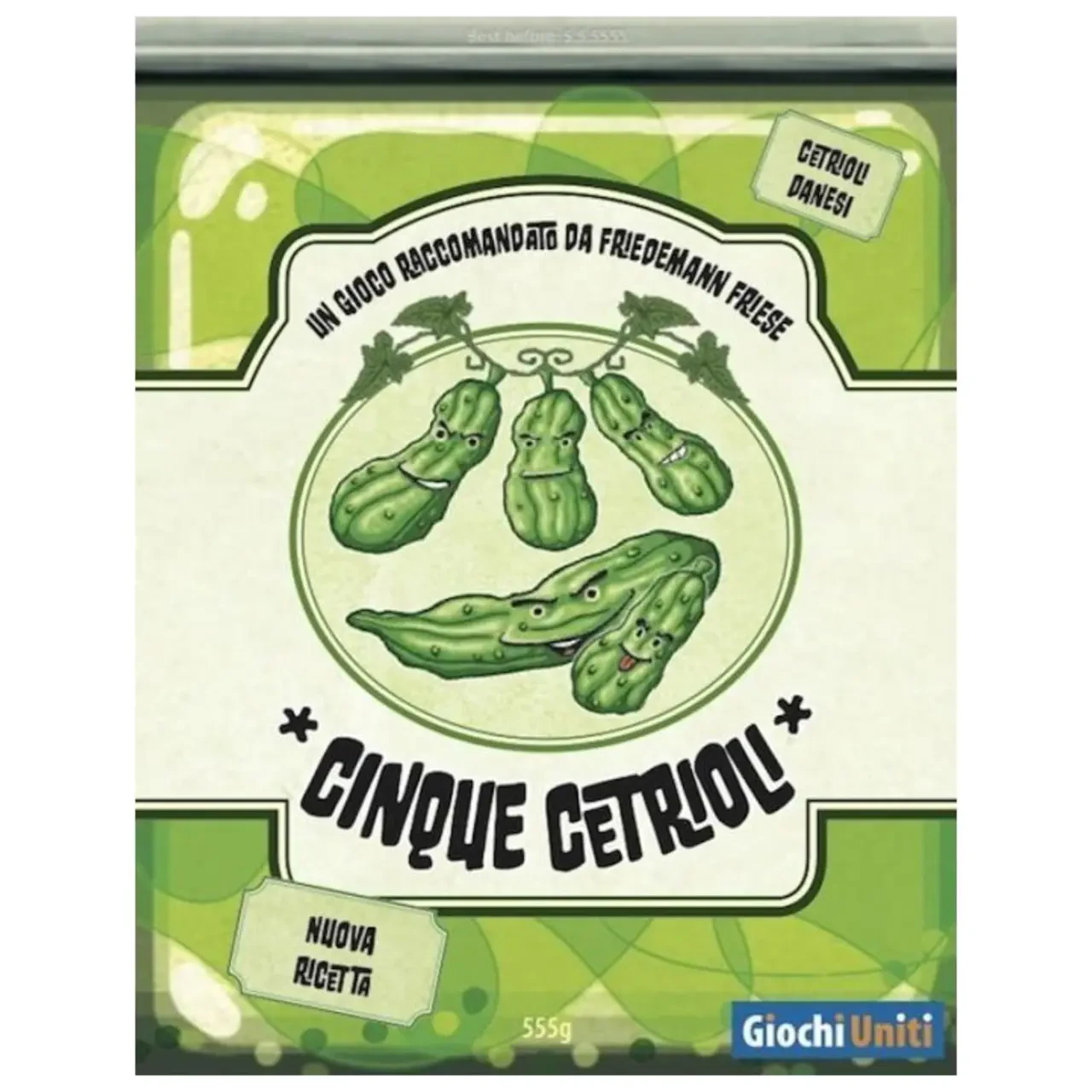
See price and buyCinque Cetrioli is an interesting option after dinner for anyone comfortable with a deck of cards who wants a challenge other than bluffing. It is a trick-taking game whose stated objective is not to take the final trick: high cards help you control key moments, but holding on to a low card does not solve the problem on its own. I would suggest it for a group of up to six people who still feel like following the course of a hand.
The trade-off to know
Knowing other card games can help you grasp the idea of trick-taking, but it does not mean you can apply their rules. You need to make clear when to play a high card and when to discard a low one; if friends keep getting up from the table, I would postpone starting the hand.
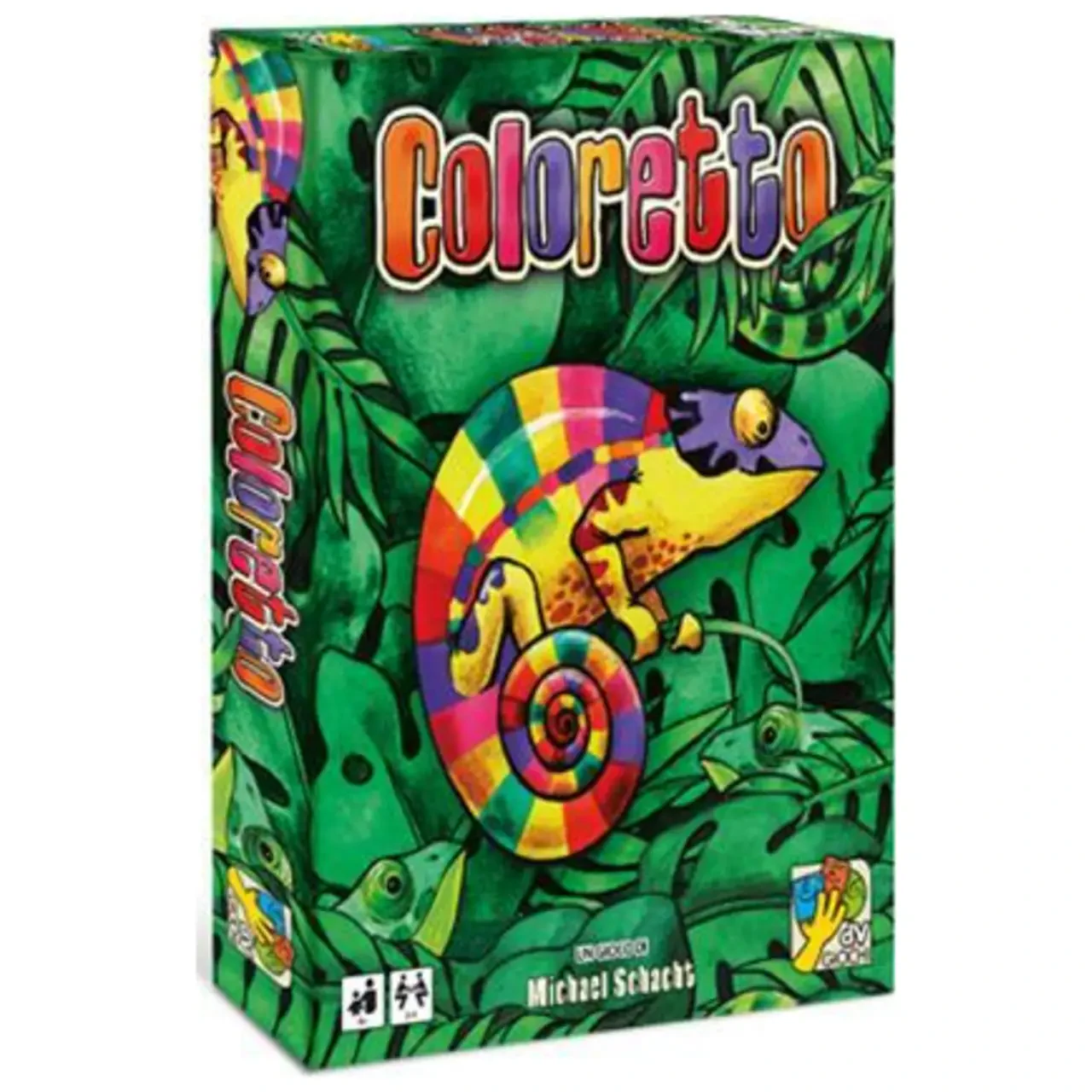
Coloretto works as an after-dinner option when you want a contest based on visible opportunities: add a card to the rows or take an available set. Some colours earn points and others lose them, so a row can become appealing and awkward at the same time. I would choose it for up to five people who prefer weighing up that trade-off to putting themselves on the line with a lie, as in Spicy.
The trade-off to know
You need a clear central area for the rows of cards, and you have to follow how they change. Being able to hold the deck in your hand is not enough: glasses and plates among the sets make it harder to read precisely the part on which decisions depend.

Sushi Go!
For a small group that wants to put together its own menu
Edition language: Italian
See price and buySushi Go! connects the after-dinner setting with a selection of dishes on cards, but the reason to suggest it is the way you choose combinations through drafting. Each type of sushi shapes the scoring differently, so you can discuss opportunities you let pass without having to play a character. I would choose it for two to five people when the group is willing to hear an initial explanation of the dishes and feels like playing a card game.
The trade-off to know
The food theme does not mean you can play without clearing some space: the combinations need to stay in front of each player. If you do not want to pay attention to how the different dishes score, the link to dinner alone is not a good reason to choose it.

The Game: Quick & Easy
For continuing the evening on the same side of the table
Edition language: Italian
See price and buyThe Game: Quick & Easy replaces individual rivalry with a shared objective: discard all the cards onto two piles, one ascending and one descending. The colours allow a backwards move, so there are opportunities to consider even when the number looks awkward. I would choose it for a group of two to five people who want to cooperate after dinner and prefer numbers and colours to words for others to guess.
The trade-off to know
A conversation that draws half the table’s attention elsewhere makes the piles harder to follow. The wording Quick & Easy identifies this version and does not imply a guaranteed win: the colour exception also needs to be clearly demonstrated before the first hand.
Bluffing works when a claim comes at a cost
In Skull, the challenge concerns how many discs you think you can turn over without finding a skull. The crucial step is starting with your own: you cannot announce a number without taking into account what you have put in your pile. This small rule gives bluffing meaning, because someone who seems confident may be trying to push someone else into exposing themselves. Very little material is needed at the table, but intentions become the real subject of the conversation.
I would choose it if the group enjoys keeping a straight face and accepts being deceived. I would not introduce it by saying that the best talker wins: the choice of disc and the timing of the challenge matter even without a lengthy performance. It is still a game of risk, with the possibility of losing discs and being eliminated. If you want to avoid this kind of exclusion, I would look at the other options.
In Spicy, “you’re lying” is not a sufficient challenge
Spicy asks you to announce the number and spice on the card you play face down. Anyone challenging must choose which of the two they believe is false. You can therefore state the correct number with the wrong spice and win a challenge aimed at the number. It is a small detail to explain but crucial to enjoying the game: the half-truth becomes a tool, not an accident.
After dinner, this structure produces short, clear exchanges without setting up a board. It does require listening, though: if half the table misses the latest claim, the challenge is no longer based on an informed choice. I would save it for when everyone is seated, rather than use it as a side activity while clearing the table. Simple components do not make paying attention to others unnecessary.
Choosing how much to risk without reading faces
Bag of Chips offers a different kind of risk. Chips are drawn from a bag, and everyone reassesses their objectives based on the same sequence. You do not have to decide whether a friend is lying, but which possibilities to keep open as more information becomes available. For anyone who enjoys commenting on an unexpected outcome but dislikes bluffing, this is a useful distinction to know before buying.
You need room for the shared draws and the personal cards used for scoring. I would not describe it as a game to play in an already crowded corner: if components are moved to pass a plate, the situation can easily become hard to read. The game also consists of several rounds. A single round can be an agreed trial, but it should not be passed off as the full experience just to squeeze it into the time you have left.
Questions before buying
Which takes up the least space during play?
Skull uses compact individual piles, while Spicy uses a central area with players holding their cards. Bag of Chips needs the draws and objectives to remain easy to read. In all cases, check that everyone can reach and see the shared area.
Is Spicy a test of reflexes?
The main point is deciding whether to challenge the announced number or spice. You need to stay alert when a challenge is made, but choosing the wrong piece of information makes you lose even if part of the claim was false.
Can someone join halfway through?
I would prefer to wait for a new game. In bluffing games, what each person has seen matters, and joining without knowing the situation can disadvantage both the newcomer and everyone else.
Found your direction?
Explore the product pages to compare editions and choose the one for you.
Explore Party games