








Idioma:
ingles
alemán
francés




|
|
|
|
Mejor con 2 jugadores
5 votos de 5
2
15'
10
No es necesario texto en el juego.
|
HATSUDEN
Editor: itten
 ¿Quieres vender tu copia de este juego?

¡Utilice nuestro mercado utrade!
HATSUDEN
Contáctenos
Compartir en
El artículo no está disponible, puede utilizar la alerta para recibir una notificación cuando volverá a estar disponible.
FOTOS EN BGG
Estas fotos son propiedad de boardgamegeek.com y no se refieren específicamente a la edición de esta página.


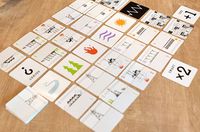
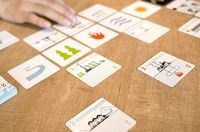
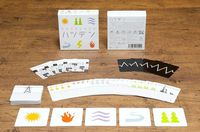
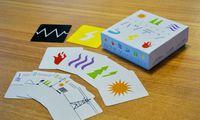

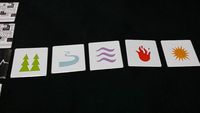
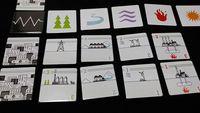
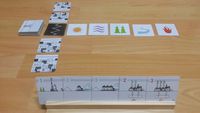
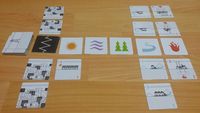
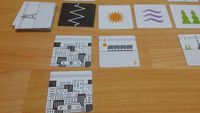
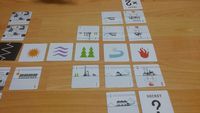
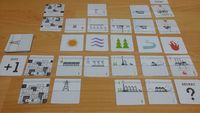
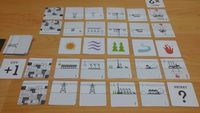
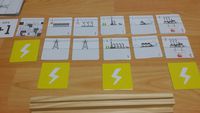
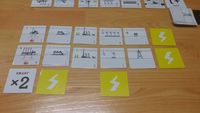
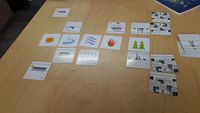
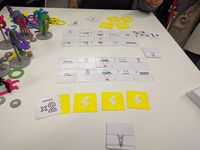
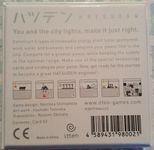
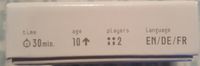
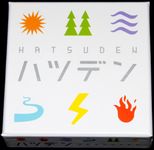
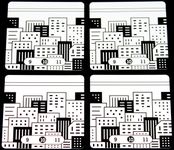

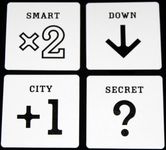
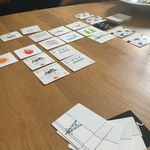
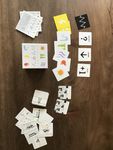
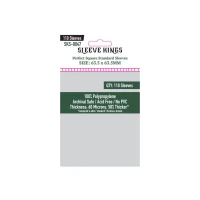
 Fundas de cartas en este juego.
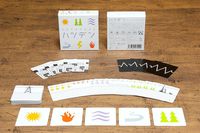
53 tarjetas de 60.0mm de ancho y 60.0mm de alto
1x
(110 PC)
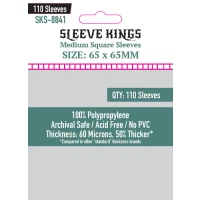
1x
(110 PC)
 Descripción
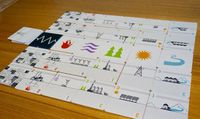
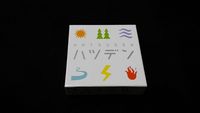
HATSUDEN es un juego para dos jugadores con un tema de suministro de electricidad. Aunque es mínimo en sistema y tiempo de juego, tiene una trama de juego emocionante y los resultados nunca son predecibles. Este es un juego para jugadores de todos los niveles. Por favor, inténtalo.
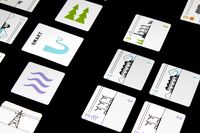
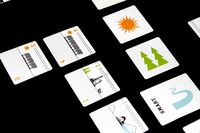
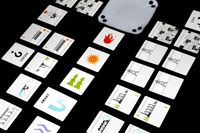
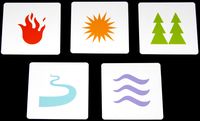
Construye 5 tipos de plantas de energía renovable (Solar, Geotérmica, Eólica, Hidroeléctrica, Biomasa) y completa tu suministro a la ciudad. Compite por una mayor electricidad, asegurándote también de mantener la cantidad justa para la demanda de tu ciudad. Las cartas de tecnología especiales también juegan un gran papel a medida que se desarrolla el juego. Ahora, sal a la aventura para convertirte en un gran ingeniero de "HATSUDEN".
Objetivo del juego
En HATSUDEN, los jugadores compiten por 1. una mayor generación de energía renovable, y 2. un suministro óptimo de energía a las ciudades.
Procedimientos generales
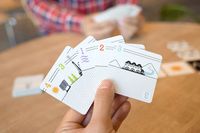
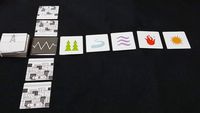
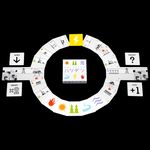
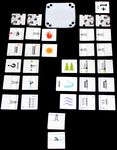
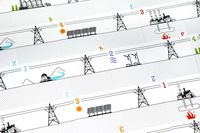
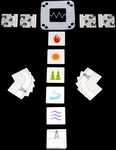
Elige un espacio abierto. Coloca una carta de planta de energía correspondiente al tipo de energía renovable indicado en la parte superior de la columna. Una vez que hayas colocado una carta de planta, ahora has adquirido un suministro de energía equivalente al número marcado en la carta.
Todas las plantas de energía suministran electricidad a la ciudad al final de la fila. Una ciudad necesita un total de 10 suministros, y 9 o 11 también serían permisibles. Si la suma del suministro se convierte en 12 o más después de la construcción o mejora de una planta de energía, debes voltear una (o más) de las otras cartas de plantas de energía en la misma fila y convertirla en un pilón, para que el nivel de suministro se mantenga en 11 o menos.
Cuando cualquiera de los jugadores completa los diez espacios, otro jugador toma el último turno para terminar el juego. Si el último jugador no puede completar los 10 espacios, los espacios restantes se llenarán con pilones.
Cálculo de puntos
Primero, los jugadores calculan la generación para cada energía renovable (solar, geotérmica, eólica, hidráulica y biomasa). Las cartas en los dos espacios de la columna se suman, y las sumas de los niveles de generación se comparan entre los jugadores. El jugador con un nivel de generación mayor toma la carta de energía renovable boca abajo. Esto contará como 1 punto. Si hay un empate, ninguno obtiene un punto.
Calcula el suministro total a la ciudad sumando la generación de las plantas en la fila. Si tienes un total de 10 suministros para la ciudad, puedes tomar la carta de la ciudad boca abajo. Esto contará como 1 punto. Si el suministro total es de 8 o menos, perderás 1 punto.
Quien obtenga un puntaje total más alto es el ganador del juego. Si hay un empate, los puntos totales de las ciudades (1 punto por marcar 10, y -1 por marcar 8 o menos) determinarán al ganador. Si esto también está empatado, el jugador que juega segundo será el ganador.
 Información adicional
| mecanica: | Área de control/área de influencia Manejo de manos |
| Categorías: | Industria/Manufactura |
| Nombres alternativos: | HATSUDEN ハツデン |
| BARCODE: | 4589431980021 |
| En 2 listas de deseos Esto fue visto 1215 veces | |
Descripción
HATSUDEN es un juego para dos jugadores con un tema de suministro de electricidad. Aunque es mínimo en sistema y tiempo de juego, tiene una trama de juego emocionante y los resultados nunca son predecibles. Este es un juego para jugadores de todos los niveles. Por favor, inténtalo.
Construye 5 tipos de plantas de energía renovable (Solar, Geotérmica, Eólica, Hidroeléctrica, Biomasa) y completa tu suministro a la ciudad. Compite por una mayor electricidad, asegurándote también de mantener la cantidad justa para la demanda de tu ciudad. Las cartas de tecnología especiales también juegan un gran papel a medida que se desarrolla el juego. Ahora, sal a la aventura para convertirte en un gran ingeniero de "HATSUDEN".
Objetivo del juego
En HATSUDEN, los jugadores compiten por 1. una mayor generación de energía renovable, y 2. un suministro óptimo de energía a las ciudades.
Procedimientos generales
Elige un espacio abierto. Coloca una carta de planta de energía correspondiente al tipo de energía renovable indicado en la parte superior de la columna. Una vez que hayas colocado una carta de planta, ahora has adquirido un suministro de energía equivalente al número marcado en la carta.
Todas las plantas de energía suministran electricidad a la ciudad al final de la fila. Una ciudad necesita un total de 10 suministros, y 9 o 11 también serían permisibles. Si la suma del suministro se convierte en 12 o más después de la construcción o mejora de una planta de energía, debes voltear una (o más) de las otras cartas de plantas de energía en la misma fila y convertirla en un pilón, para que el nivel de suministro se mantenga en 11 o menos.
Cuando cualquiera de los jugadores completa los diez espacios, otro jugador toma el último turno para terminar el juego. Si el último jugador no puede completar los 10 espacios, los espacios restantes se llenarán con pilones.
Cálculo de puntos
Primero, los jugadores calculan la generación para cada energía renovable (solar, geotérmica, eólica, hidráulica y biomasa). Las cartas en los dos espacios de la columna se suman, y las sumas de los niveles de generación se comparan entre los jugadores. El jugador con un nivel de generación mayor toma la carta de energía renovable boca abajo. Esto contará como 1 punto. Si hay un empate, ninguno obtiene un punto.
Calcula el suministro total a la ciudad sumando la generación de las plantas en la fila. Si tienes un total de 10 suministros para la ciudad, puedes tomar la carta de la ciudad boca abajo. Esto contará como 1 punto. Si el suministro total es de 8 o menos, perderás 1 punto.
Quien obtenga un puntaje total más alto es el ganador del juego. Si hay un empate, los puntos totales de las ciudades (1 punto por marcar 10, y -1 por marcar 8 o menos) determinarán al ganador. Si esto también está empatado, el jugador que juega segundo será el ganador.
Fundas de cartas en este juego.
53 tarjetas de 60.0mm de ancho y 60.0mm de alto
1x
(110 PC)
1x
(110 PC)
Información adicional
| mecanica: | Área de control/área de influencia Manejo de manos |
| Categorías: | Industria/Manufactura |
| Nombres alternativos: | HATSUDEN ハツデン |
| BARCODE: | 4589431980021 |
| En 2 listas de deseos Esto fue visto 1215 veces | |
Lo que dicen los jugadores · datos y reseñas publicados por los usuarios de BoardGameGeek
Con cuántos jugadores funciona mejor · 5 votos en BoardGameGeek
- 1 0 0 lo consideran el mejor, 0 lo recomiendan, 5 lo desaconsejan
- 2 5 5 lo consideran el mejor, 0 lo recomiendan, 0 lo desaconsejan
- 2+ 0 0 lo consideran el mejor, 0 lo recomiendan, 5 lo desaconsejan
El mejor Sugerido No recomendado
¡PRECAUCIÓN! No apto para niños menores de 3 años. Contiene piezas pequeñas que podrían tragarse o inhalarse.