








Langue:
Anglais


|
|
|
|
|
Sleuth Gryphon Bookshelf Edition
Éditeur: Eagle & Gryphon Games
 Voulez-vous vendre votre copie de ce jeu ?

Utilisez notre marché utrade !
Sleuth Gryphon Bookshelf Edition
Contactez-nous
Partager sur
L'article n'est pas disponible, vous pouvez utiliser l'alerte pour être averti lorsqu'il sera de nouveau en stock.
 Descriptif
Dans Sleuth, un jeu de déduction classique du maître designer Sid Sackson, les joueurs recherchent une gemme cachée, l'une des 36 cartes gemmes cachées avant le début du jeu. Le reste de ce paquet de gemmes - chaque carte montrant 1-3 diamants, perles ou opales dans l'une des quatre couleurs - est distribué également entre les joueurs, avec les cartes restantes mises face visible. Ainsi, vous et les autres commencez avec des informations sur ce qui ne manque pas. Un deuxième paquet contient 54 cartes de recherche, chacune montrant un ou deux éléments, tels que des diamants, des paires, des opales bleues, des perles rouges ou un élément de votre choix. Chaque joueur reçoit quatre cartes de recherche face visible ; à votre tour, vous choisissez l'une de ces cartes et demandez à un adversaire combien de cartes gemmes il a du type montré. Si vous demandez, par exemple, des paires, le joueur doit vous dire combien de paires il possède mais pas quelles paires spécifiques ; si vous demandez quelque chose de plus spécifique, par exemple, des diamants rouges, le joueur révèle à tout le monde combien de telles cartes il possède pendant que vous pouvez les regarder en secret. Les joueurs suivent les informations sur une feuille de score. Vous pouvez deviner la gemme cachée à tout moment, ou à votre tour, vous pouvez poser une question à n'importe qui, indépendamment des cartes de recherche que vous avez, puis immédiatement faire une supposition en marquant votre feuille et en vérifiant la carte gemme cachée. Si vous avez tort, vous continuez à jouer mais vous ne pouvez que répondre à des questions ; si vous avez raison, vous gagnez. La simplicité des règles et des cartes cache la complexité du jeu. Dans certains cas, vous voyez des cartes, tandis que dans d'autres, vous entendez seulement le nombre de cartes qu'un adversaire possède, ce qui rend la déduction difficile. Tout système de notation que vous développez doit être à la fois flexible et fiable, enregistrant des informations négatives ainsi que positives pour exclure les possibilités une par une...
 Informations supplémentaires
| Mécanique: | |
| Catégories: | |
| Noms alternatifs: | |
| BARCODE: | ????????? |
| Cela a été vu 490 fois | |
Descriptif
Dans Sleuth, un jeu de déduction classique du maître designer Sid Sackson, les joueurs recherchent une gemme cachée, l'une des 36 cartes gemmes cachées avant le début du jeu. Le reste de ce paquet de gemmes - chaque carte montrant 1-3 diamants, perles ou opales dans l'une des quatre couleurs - est distribué également entre les joueurs, avec les cartes restantes mises face visible. Ainsi, vous et les autres commencez avec des informations sur ce qui ne manque pas. Un deuxième paquet contient 54 cartes de recherche, chacune montrant un ou deux éléments, tels que des diamants, des paires, des opales bleues, des perles rouges ou un élément de votre choix. Chaque joueur reçoit quatre cartes de recherche face visible ; à votre tour, vous choisissez l'une de ces cartes et demandez à un adversaire combien de cartes gemmes il a du type montré. Si vous demandez, par exemple, des paires, le joueur doit vous dire combien de paires il possède mais pas quelles paires spécifiques ; si vous demandez quelque chose de plus spécifique, par exemple, des diamants rouges, le joueur révèle à tout le monde combien de telles cartes il possède pendant que vous pouvez les regarder en secret. Les joueurs suivent les informations sur une feuille de score. Vous pouvez deviner la gemme cachée à tout moment, ou à votre tour, vous pouvez poser une question à n'importe qui, indépendamment des cartes de recherche que vous avez, puis immédiatement faire une supposition en marquant votre feuille et en vérifiant la carte gemme cachée. Si vous avez tort, vous continuez à jouer mais vous ne pouvez que répondre à des questions ; si vous avez raison, vous gagnez. La simplicité des règles et des cartes cache la complexité du jeu. Dans certains cas, vous voyez des cartes, tandis que dans d'autres, vous entendez seulement le nombre de cartes qu'un adversaire possède, ce qui rend la déduction difficile. Tout système de notation que vous développez doit être à la fois flexible et fiable, enregistrant des informations négatives ainsi que positives pour exclure les possibilités une par une...
Informations supplémentaires
| Mécanique: | |
| Catégories: | |
| Noms alternatifs: | |
| BARCODE: | ????????? |
| Cela a été vu 490 fois | |
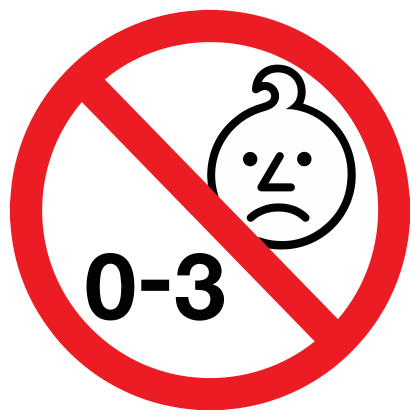
ATTENTION ! Ne convient pas aux enfants de moins de 3 ans. Il contient de petites pièces qui pourraient être avalées ou inhalées.