










|
|
|
|
3-6
180'
12
Moderater Text im Spiel
|
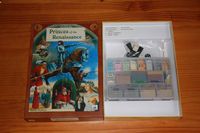
Principi del Rinascimento
Assuma o papel de um príncipe condottiere na fascinante Itália do Renascimento e governe seu principado. Estratégia, diplomacia e controle territorial se entrelaçam neste jogo profundo e envolvente para 3-6 jogadores. Com uma duração de aproximadamente 3 horas, Principi del Rinascimento oferece uma experiência de jogo rica e complexa, ideal para quem adora jogos de estratégia e história europeia. Para jogadores a partir de 12 anos.
 Quer vender sua cópia deste jogo?

 In einem externen Lager verfügbar.
Versand in etwa 2/5 Tagen





















 Descrição
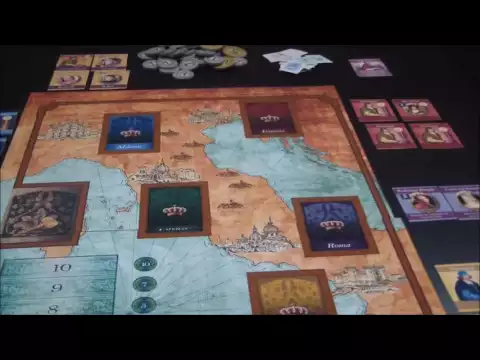
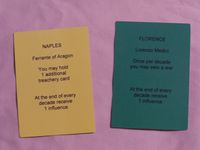
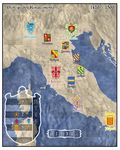
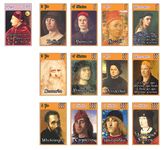
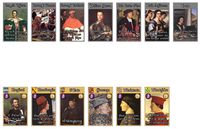
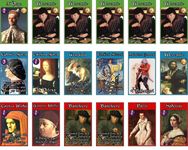
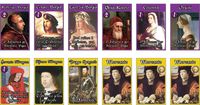
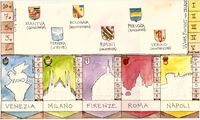
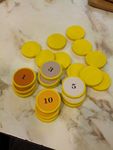
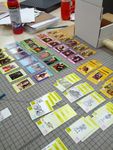
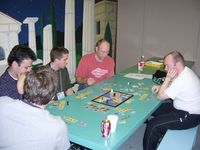
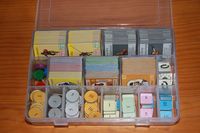
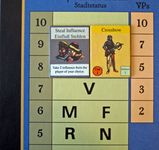
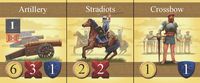
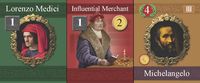
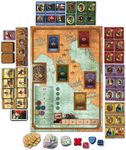
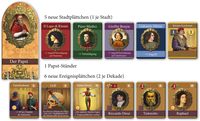
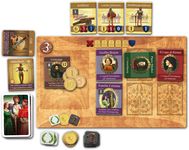
Príncipes do Renascimento se passa na Itália do Renascimento. Cada jogador assume o papel de um dos príncipes condottiere menores, como os Gonzagas ou os d'Estes. Depois, há as cinco grandes cidades: Veneza, Milão, Florença, Roma e Nápoles. Estas não são controladas por jogadores individuais, mas os jogadores ganharão 'interesses' nelas à medida que o jogo avança. Cada cidade tem seis peças, a maioria das quais representam um personagem famoso como Lucrezia Borgia ou Lorenzo Medici. Cada peça tem suas próprias propriedades especiais que estão ligadas ao personagem na peça. Assim, Cesare Borgia ajudará você a se tornar mais traiçoeiro, enquanto um comerciante veneziano aumentará sua renda. Essas peças também valem pontos de vitória, dependendo do status da cidade no final do jogo. O status de uma cidade mudará como resultado da guerra. Quando duas cidades lutam, cada uma precisará de um Condottiere para lutar por elas. Os jogadores fazem lances, usando pontos de influência, para decidir quem representará cada cidade. O resultado da guerra dependerá de um pouco de sorte e do tamanho do exército de cada jogador. Cada jogador também é pago por lutar, não importa qual seja o resultado da guerra. Assim, os jogadores podem transformar influência em ouro, que por sua vez pode ser usado para comprar mais peças de cidade. Nenhum jogo sobre o Renascimento italiano estaria completo sem um elemento de traição. Os jogadores podem ser abertamente traiçoeiros comprando peças de traição, o que lhes permitirá fazer coisas desagradáveis como roubar influência, subornar tropas ou eliminar jogadores de um leilão. No entanto, o jogo permite que os jogadores sejam astutos de outras maneiras, que ainda permanecem legais. Garantir que uma guerra vá na direção que você deseja é uma parte importante do jogo, e não é sempre o jogador com o melhor exército que acaba lutando. Quer que uma cidade perca? Bem, torne-se Condottiere para eles e certifique-se de ter um exército realmente ruim, ou use peças de traição para subornar suas próprias tropas para não lutarem. Em algum momento, algum jogador se tornará o Papa, o que significa que ele pode formar uma Liga Santa (ou seja, juntar-se a um lado em uma batalha). Quer ter certeza de que o Papa está do 'lado certo'? Bem, por que não suborná-lo? O que os jogadores negociam depende deles. O jogo não força a negociação e funciona perfeitamente bem sem ela, mas continua sendo uma avenida que os jogadores podem explorar.
 Informações adicionais
| Mecânica: | Controle de Área/Influência de Área Leilão/Licitação Lançamento de dados Poderes variáveis do jogador |
| Categorias: | Econômico Política/Negociação Renascença |
| Nomes alternativos: | Fürsten der Renaissance I Principi del Rinascimento Princes of the Renaissance |
| BARCODE: | 8033532950422 |
| Em 14 listas de desejos Em 6 coleções Isso foi visto 17376 vezes | |
Descrição
Príncipes do Renascimento se passa na Itália do Renascimento. Cada jogador assume o papel de um dos príncipes condottiere menores, como os Gonzagas ou os d'Estes. Depois, há as cinco grandes cidades: Veneza, Milão, Florença, Roma e Nápoles. Estas não são controladas por jogadores individuais, mas os jogadores ganharão 'interesses' nelas à medida que o jogo avança. Cada cidade tem seis peças, a maioria das quais representam um personagem famoso como Lucrezia Borgia ou Lorenzo Medici. Cada peça tem suas próprias propriedades especiais que estão ligadas ao personagem na peça. Assim, Cesare Borgia ajudará você a se tornar mais traiçoeiro, enquanto um comerciante veneziano aumentará sua renda. Essas peças também valem pontos de vitória, dependendo do status da cidade no final do jogo. O status de uma cidade mudará como resultado da guerra. Quando duas cidades lutam, cada uma precisará de um Condottiere para lutar por elas. Os jogadores fazem lances, usando pontos de influência, para decidir quem representará cada cidade. O resultado da guerra dependerá de um pouco de sorte e do tamanho do exército de cada jogador. Cada jogador também é pago por lutar, não importa qual seja o resultado da guerra. Assim, os jogadores podem transformar influência em ouro, que por sua vez pode ser usado para comprar mais peças de cidade. Nenhum jogo sobre o Renascimento italiano estaria completo sem um elemento de traição. Os jogadores podem ser abertamente traiçoeiros comprando peças de traição, o que lhes permitirá fazer coisas desagradáveis como roubar influência, subornar tropas ou eliminar jogadores de um leilão. No entanto, o jogo permite que os jogadores sejam astutos de outras maneiras, que ainda permanecem legais. Garantir que uma guerra vá na direção que você deseja é uma parte importante do jogo, e não é sempre o jogador com o melhor exército que acaba lutando. Quer que uma cidade perca? Bem, torne-se Condottiere para eles e certifique-se de ter um exército realmente ruim, ou use peças de traição para subornar suas próprias tropas para não lutarem. Em algum momento, algum jogador se tornará o Papa, o que significa que ele pode formar uma Liga Santa (ou seja, juntar-se a um lado em uma batalha). Quer ter certeza de que o Papa está do 'lado certo'? Bem, por que não suborná-lo? O que os jogadores negociam depende deles. O jogo não força a negociação e funciona perfeitamente bem sem ela, mas continua sendo uma avenida que os jogadores podem explorar.
Informações adicionais
| Mecânica: | Controle de Área/Influência de Área Leilão/Licitação Lançamento de dados Poderes variáveis do jogador |
| Categorias: | Econômico Política/Negociação Renascença |
| Nomes alternativos: | Fürsten der Renaissance I Principi del Rinascimento Princes of the Renaissance |
| BARCODE: | 8033532950422 |
| Em 14 listas de desejos Em 6 coleções Isso foi visto 17376 vezes | |
 Frequentemente comprados juntos

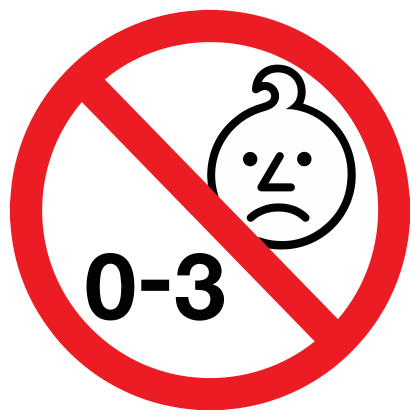
CUIDADO! Não é adequado para crianças menores de 3 anos. Contém peças pequenas que podem ser engolidas ou inaladas.