









Język:
język-UK


|
|
|
|
Najlepiej w 2 graczy
18 z 20 głosów
Wiek zalecany przez graczy: 14+
4 z 8 głosów
2
240'
Szerokie wykorzystanie tekstu w grze
|
Unhappy King Charles!
Wydawca: GMT Games

 Czy chcesz sprzedać swój egzemplarz tej gry?

Skorzystaj z naszego rynku utrade!
Unhappy King Charles!
Skontaktuj się z nami
udostępnij
Artykuł nie jest dostępny. Możesz skorzystać z naszego systemu powiadomień e-mailowych, aby dowiedzieć się, kiedy będzie można go ponownie zamówić.
ZDJĘCIA NA BGG
bggpicszastrzeżenie


 Rękawy na karty w tej grze
Karty 110: 63.5mm szerokie i 88.0mm wysokie (63.5x88.0)
2x
(100 Pz)

2x
(100 Pz)

3x
(50 Pz)

2x
(100 Pz)

2x
(100 Pz)
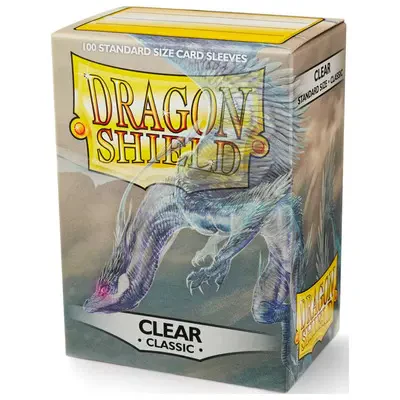
2x
(100 Pz)

3x
(50 Pz)

2x
(100 Pz)

2x
(100 Pz)

2x
(80 Pz)

2x
(80 Pz)
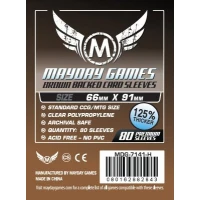
2x
(100 Pz)

2x
(100 Pz)

2x
(100 Pz)

2x
(100 Pz)

2x
(60 Pz)
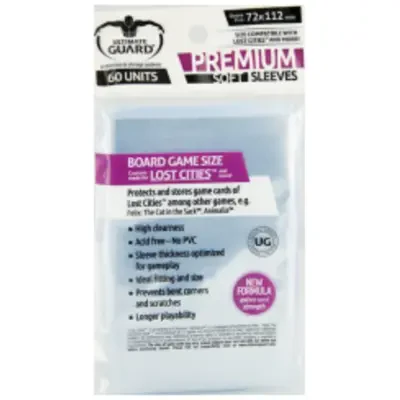
1x
(110 Pz)

3x
(50 Pz)
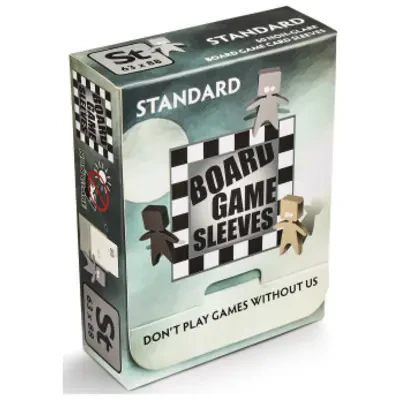
3x
(50 Pz)

2x
(75 Pz)

3x
(50 Pz)

2x
(75 Pz)

2x
(100 Pz)

2x
(100 Pz)

1x
(110 Pz)

2x
(60 Pz)
2x
(80 Pz)

3x
(50 Pz)
1x
(250 Pz)
2x
(100 Pz)

2x
(100 Pz)

2x
(100 Pz)

2x
(100 Pz)

2x
(60 Pz)

3x
(50 Pz)

3x
(50 Pz)

2x
(100 Pz)

2x
(55 Pz)

2x
(55 Pz)
2x
(105 Pz)

2x
(105 Pz)

2x
(100 Pz)
2x
(100 Pz)

2x
(100 Pz)
2x
(100 Pz)

2x
(60 Pz)

2x
(100 Pz)

2x
(100 Pz)

2x
(100 Pz)

 Opis
Opis
Unhappy King Charles! pozwala dwóm graczom zdecydować, czy Commons, czy Kawalerowie powinni rządzić w Anglii. Obaj starają się ustanowić kontrolę nad krajem i jego strukturami gospodarczymi. Starają się nie tylko pokonać swoich przeciwników w bitwie, ale także przejąć kontrolę nad lokalnym rządem Anglii i Walii. Gra oparta jest na We the People, genialnej grze Marka Hermana o późniejszym buncie. Ponieważ organizacja armii i państw była często chaotyczna, karty nie oferują szerokiego zakresu wyborów. Gracze w Unhappy King Charles! muszą zadowolić się tym, co mają. Trzy talie kart - Wczesna (1642-1643), Środkowa (1644) i Późna (1645) - zostały opracowane, aby oddać odpowiednie odczucie wczesnej, środkowej i późnej wojny, oparte na technikach storyboardowych. Jak przystało na wojnę domową, na kartach występują zdrady, odwaga i głupota. Unhappy King Charles! rozgrywa się przez jedenaście tur, z których każda reprezentuje około czterech miesięcy. Brygady wojsk są używane do formowania Armii lub garnizonów fortec. Tylko nieprowadzone Brygady znajdują się na mapie; pozostałe są umieszczane w pudełku swojego Generała. Generałowie poruszają się po mapach. Armie w Unhappy King Charles! to tymczasowe zgromadzenia wojsk, które mają tyle wspólnego z feudalnymi armiami, co z nowoczesnymi rewolucjonistami. Przy niewystarczających zapasach i słabym wyposażeniu nie jest zaskoczeniem, że te armie cierpią na ciągłe dezercje; a korzystając z nich, musisz upewnić się, że wędrują po mapie, zbierając nowych rekrutów. Armie mogą liczyć ponad 30 000 w przypadku kluczowego oblężenia lub bitwy lub 3 000 twardych kawalerzystów pod wodzą księcia Ruporta lub Black Toma Fairfaxa. Aktywacje ruchu są inicjowane za pomocą numerowanej karty Ops i są oparte na wielkości Armii. Im mniejsza Armia, tym szybciej może się poruszać. Ruch po mapie odbywa się za pomocą Obszarów połączonych liniami ruchu. Kontrola obszarów może się zmieniać podczas ruchu, jeśli wydane zostaną punkty ruchu. Armie, które się nie poruszają, mogą próbować przechwycenia, stając na drodze poruszającej się Armii, aby spowodować Bitwę. Podstawową jednostką walki w grze jest Brygada, która występuje w dwóch typach: Weterani i milicja. Zazwyczaj jednostki milicji muszą być rekrutowane przed weteranami z danej regionu. Obszary i Brygady każdego Regionu używają tego samego podstawowego systemu kolorów. Świeże Brygady są pozyskiwane przez Rekrutację, która zazwyczaj jest ograniczona do regionu pochodzenia jednostki. Brygady stracone w walce nie są dostępne do rekrutacji; inne straty są dostępne. Liczniki liderów to albo Generałowie, albo Lokalne Notabli. Generałowie mogą być Generałami Polowymi lub Generałami Regionalnymi, którzy mogą ponosić straty, gdy są poza swoim Regionem. Generałowie nie mogą przenosić Brygad do innych Generałów. Brygady pozostają z ich oryginalnym Generałem, aż do śmierci, rozproszenia lub dezercji. Lokalne Notabli mogą przenosić Brygady do innych przyjaznych Generałów. Bitwy wykorzystują Wartość Walki Brygad, Oceny Walki Generałów i Karty Walki do rozwiązania walki. Ale zanim jakakolwiek Bitwa zostanie stoczona, jedna strona może spróbować unikać lub rozproszyć się. Straty w walce nie są dostępne do rekrutacji. Remisy i Decydujące Zwycięstwa najpierw zabiją Weteranów Brygad. Przegrany musi się wycofać i może ponieść dalsze straty, jeśli wycofa się przez wrogie znaczniki PC. Zwycięstwa Główne i Decydujące przynoszą dodatkowe Karty. Fortece obejmują szeroki zakres lokalizacji. Są klasyfikowane według klasy i muszą być zmuszone do poddania się przez Oblężenie lub Kartę Wydarzenia. Oblężenie wymaga uwagi Armii przez jakiś czas. Jeśli w tym czasie zostanie zaatakowany, oblężający może musieć porzucić Oblężenie. Można próbować ataków. Gra może być wygrana przez Automatyczne Zwycięstwo, jeśli jedna strona nie kontroluje wystarczającej liczby Obszarów, lub na koniec jedenastej tury. Dla tych graczy, którzy lubią pewne kontrfakty, dostarczany jest pakiet wydarzeń. Teraz gracze mogą używać holenderskich eskadr do zablokowania Króla, wezwać księcia Lotaryngii lub spowodować powstanie w Londynie. Jako opcjonalna zasada, cztery wydarzenia są losowane w każdej grze i mieszane w środkowych i późnych taliach.
 Dalsze informacje
| Mechanika: | Kampania/bitwa oparta na kartach Rzut kostką Ruch od punktu do punktu |
| Kategorie: | Wojna Wojna |
| Alternatywne nazwy: | |
| BARCODE: | ????????? |
| W kolekcjach 1__TOK_1__ Obejrzano go 1959__TOK_1__ razy | |
Opis
Unhappy King Charles! pozwala dwóm graczom zdecydować, czy Commons, czy Kawalerowie powinni rządzić w Anglii. Obaj starają się ustanowić kontrolę nad krajem i jego strukturami gospodarczymi. Starają się nie tylko pokonać swoich przeciwników w bitwie, ale także przejąć kontrolę nad lokalnym rządem Anglii i Walii. Gra oparta jest na We the People, genialnej grze Marka Hermana o późniejszym buncie. Ponieważ organizacja armii i państw była często chaotyczna, karty nie oferują szerokiego zakresu wyborów. Gracze w Unhappy King Charles! muszą zadowolić się tym, co mają. Trzy talie kart - Wczesna (1642-1643), Środkowa (1644) i Późna (1645) - zostały opracowane, aby oddać odpowiednie odczucie wczesnej, środkowej i późnej wojny, oparte na technikach storyboardowych. Jak przystało na wojnę domową, na kartach występują zdrady, odwaga i głupota. Unhappy King Charles! rozgrywa się przez jedenaście tur, z których każda reprezentuje około czterech miesięcy. Brygady wojsk są używane do formowania Armii lub garnizonów fortec. Tylko nieprowadzone Brygady znajdują się na mapie; pozostałe są umieszczane w pudełku swojego Generała. Generałowie poruszają się po mapach. Armie w Unhappy King Charles! to tymczasowe zgromadzenia wojsk, które mają tyle wspólnego z feudalnymi armiami, co z nowoczesnymi rewolucjonistami. Przy niewystarczających zapasach i słabym wyposażeniu nie jest zaskoczeniem, że te armie cierpią na ciągłe dezercje; a korzystając z nich, musisz upewnić się, że wędrują po mapie, zbierając nowych rekrutów. Armie mogą liczyć ponad 30 000 w przypadku kluczowego oblężenia lub bitwy lub 3 000 twardych kawalerzystów pod wodzą księcia Ruporta lub Black Toma Fairfaxa. Aktywacje ruchu są inicjowane za pomocą numerowanej karty Ops i są oparte na wielkości Armii. Im mniejsza Armia, tym szybciej może się poruszać. Ruch po mapie odbywa się za pomocą Obszarów połączonych liniami ruchu. Kontrola obszarów może się zmieniać podczas ruchu, jeśli wydane zostaną punkty ruchu. Armie, które się nie poruszają, mogą próbować przechwycenia, stając na drodze poruszającej się Armii, aby spowodować Bitwę. Podstawową jednostką walki w grze jest Brygada, która występuje w dwóch typach: Weterani i milicja. Zazwyczaj jednostki milicji muszą być rekrutowane przed weteranami z danej regionu. Obszary i Brygady każdego Regionu używają tego samego podstawowego systemu kolorów. Świeże Brygady są pozyskiwane przez Rekrutację, która zazwyczaj jest ograniczona do regionu pochodzenia jednostki. Brygady stracone w walce nie są dostępne do rekrutacji; inne straty są dostępne. Liczniki liderów to albo Generałowie, albo Lokalne Notabli. Generałowie mogą być Generałami Polowymi lub Generałami Regionalnymi, którzy mogą ponosić straty, gdy są poza swoim Regionem. Generałowie nie mogą przenosić Brygad do innych Generałów. Brygady pozostają z ich oryginalnym Generałem, aż do śmierci, rozproszenia lub dezercji. Lokalne Notabli mogą przenosić Brygady do innych przyjaznych Generałów. Bitwy wykorzystują Wartość Walki Brygad, Oceny Walki Generałów i Karty Walki do rozwiązania walki. Ale zanim jakakolwiek Bitwa zostanie stoczona, jedna strona może spróbować unikać lub rozproszyć się. Straty w walce nie są dostępne do rekrutacji. Remisy i Decydujące Zwycięstwa najpierw zabiją Weteranów Brygad. Przegrany musi się wycofać i może ponieść dalsze straty, jeśli wycofa się przez wrogie znaczniki PC. Zwycięstwa Główne i Decydujące przynoszą dodatkowe Karty. Fortece obejmują szeroki zakres lokalizacji. Są klasyfikowane według klasy i muszą być zmuszone do poddania się przez Oblężenie lub Kartę Wydarzenia. Oblężenie wymaga uwagi Armii przez jakiś czas. Jeśli w tym czasie zostanie zaatakowany, oblężający może musieć porzucić Oblężenie. Można próbować ataków. Gra może być wygrana przez Automatyczne Zwycięstwo, jeśli jedna strona nie kontroluje wystarczającej liczby Obszarów, lub na koniec jedenastej tury. Dla tych graczy, którzy lubią pewne kontrfakty, dostarczany jest pakiet wydarzeń. Teraz gracze mogą używać holenderskich eskadr do zablokowania Króla, wezwać księcia Lotaryngii lub spowodować powstanie w Londynie. Jako opcjonalna zasada, cztery wydarzenia są losowane w każdej grze i mieszane w środkowych i późnych taliach.
Rękawy na karty w tej grze
Karty 110: 63.5mm szerokie i 88.0mm wysokie (63.5x88.0)
2x
(100 Pz)
2x
(100 Pz)
3x
(50 Pz)
2x
(100 Pz)
2x
(100 Pz)
2x
(100 Pz)
3x
(50 Pz)
2x
(100 Pz)
2x
(100 Pz)
2x
(80 Pz)
2x
(80 Pz)
2x
(100 Pz)
2x
(100 Pz)
2x
(100 Pz)
2x
(100 Pz)
2x
(60 Pz)
1x
(110 Pz)
3x
(50 Pz)
3x
(50 Pz)
2x
(75 Pz)
3x
(50 Pz)
2x
(75 Pz)
2x
(100 Pz)
2x
(100 Pz)
1x
(110 Pz)
2x
(60 Pz)
2x
(80 Pz)
3x
(50 Pz)
1x
(250 Pz)
2x
(100 Pz)
2x
(100 Pz)
2x
(100 Pz)
2x
(100 Pz)
2x
(60 Pz)
3x
(50 Pz)
3x
(50 Pz)
2x
(100 Pz)
2x
(55 Pz)
2x
(55 Pz)
2x
(105 Pz)
2x
(105 Pz)
2x
(100 Pz)
2x
(100 Pz)
2x
(100 Pz)
2x
(100 Pz)
2x
(60 Pz)
2x
(100 Pz)
2x
(100 Pz)
2x
(100 Pz)
Dalsze informacje
| Mechanika: | Kampania/bitwa oparta na kartach Rzut kostką Ruch od punktu do punktu |
| Kategorie: | Wojna Wojna |
| Alternatywne nazwy: | |
| BARCODE: | ????????? |
| W kolekcjach 1__TOK_1__ Obejrzano go 1959__TOK_1__ razy | |
Co mówią gracze
Przy ilu graczach sprawdza się najlepiej · 20 głosów na BoardGameGeek
- 1 0 0 uważa, że jest najlepsza, 4 poleca, 11 odradza
- 2 18 18 uważa, że jest najlepsza, 1 poleca, 1 odradza
- 2+ 0 0 uważa, że jest najlepsza, 0 poleca, 14 odradza
Najlepiej Consigliato Niepolecane
Oceny użytkowników uplay: Nie ma jeszcze recenzji uplay. Napisz pierwszą!
Twoja recenzja
Komentarze są moderowane przed publikacją: bez linków, obelg i treści nie na temat. Kulturalne negatywne opinie są dozwolone.
Zaloguj się, aby napisać recenzję
UWAGA! Nie nadaje się dla dzieci poniżej 3 roku życia. Zawiera małe części, które mogą zostać połknięte lub wdychane.